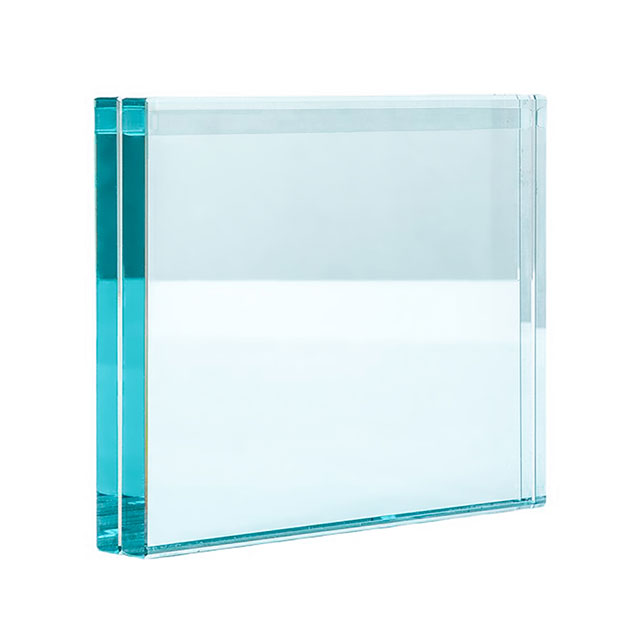
Laminated glass has become a staple in modern architecture and automotive industries due to its enhanced safety and acoustic properties. Understanding the laminated glass durability is crucial for architects, builders, and consumers who seek to optimize the longevity and performance of their installations. This article delves into the factors affecting the lifespan of laminated glass, providing insights into its composition, environmental impacts, and maintenance practices.
Understanding Laminated Glass
Laminated glass is composed of two or more layers of glass with an interlayer, typically made of polyvinyl butyral (PVB) or ethylene-vinyl acetate (EVA). This interlayer holds the glass together even when shattered, offering enhanced safety by preventing sharp shards from causing injury. The composition of laminated glass not only provides safety but also improves sound insulation and UV protection, making it a versatile choice for various applications.
Applications of Laminated Glass
Laminated glass is widely used in automotive windshields, building facades, skylights, and interior partitions. Its ability to withstand impact and reduce noise makes it ideal for urban environments. In architectural applications, laminated glass is often preferred for its aesthetic flexibility and structural integrity, allowing for innovative designs without compromising safety.
Factors Affecting the Lifespan of Laminated Glass
The lifespan of laminated glass can be influenced by several factors, including environmental conditions, installation quality, and maintenance practices. Typically, laminated glass can last anywhere from 15 to 30 years, depending on these variables.
Environmental Conditions
Exposure to extreme temperatures, humidity, and UV radiation can degrade the interlayer of laminated glass over time. In regions with harsh weather conditions, the durability of architectural glass is often tested, requiring additional protective measures such as UV-resistant coatings to prolong its lifespan.
Installation Quality
Proper installation is critical to ensuring the longevity of laminated glass. Poor installation can lead to stress points and seal failures, which may compromise the glass's structural integrity. Ensuring that the glass is installed by experienced professionals can significantly enhance its lifespan.
Maintenance Practices
Regular maintenance, including cleaning and inspection for signs of wear or damage, is essential for extending the lifespan of laminated glass. Using appropriate cleaning agents and techniques can prevent scratches and other surface damage that might otherwise shorten its service life.
Technological Advancements in Laminated Glass
Recent advancements in laminated glass technology have further enhanced its durability and performance. Innovations such as advanced interlayer materials and coatings have improved resistance to environmental factors and extended the glass's functional life. These technological improvements have made laminated glass an even more attractive option for modern construction projects.
Advanced Interlayer Materials
The development of new interlayer materials, such as ionoplast, has increased the strength and clarity of laminated glass. These materials offer better adhesion and durability, providing enhanced protection against delamination and yellowing over time.
Coatings and Treatments
Specialized coatings and treatments, such as low-emissivity (Low-E) coatings, can improve the energy efficiency of laminated glass by reducing heat transfer. These coatings also protect against UV radiation, further enhancing the lifespan of laminated glass by preventing interlayer degradation.
Case Studies and Real-World Applications
Numerous case studies have demonstrated the effectiveness and longevity of laminated glass in various applications. For instance, the use of laminated glass in high-rise buildings has shown remarkable resilience against wind loads and impact, maintaining structural integrity over decades.
High-Rise Buildings
In high-rise construction, laminated glass is often used for its ability to withstand significant wind pressures and impact forces. Buildings in hurricane-prone areas benefit from the added safety and durability that laminated glass provides, ensuring occupant safety and reducing maintenance costs over time.
Automotive Industry
In the automotive industry, laminated glass is a standard feature in windshields due to its safety benefits. Its ability to remain intact upon impact reduces the risk of injury during accidents, and its sound-dampening properties enhance passenger comfort.
Conclusion
The lifespan of laminated glass is influenced by various factors, including environmental conditions, installation quality, and maintenance practices. With advancements in technology and materials, laminated glass continues to offer superior durability and performance, making it a preferred choice in both architectural and automotive applications. By understanding these factors and implementing best practices, the longevity of laminated glass can be maximized, ensuring safety and efficiency for years to come.
Miracle Co-founder of Reachbuilding
Miracle owns a glass factory that has been in operation for 40 years. His family has been engaged in the construction industry for over 60 years and possesses extensive engineering and production experience. At Reach Building, he focuses on product technical support, custom solutions, and industry trend analysis for global dealers, contractors, and builders.In his column, Miracle shares practical insights, project case studies, and expert advice to help construction professionals select the right glass for safer, more energy-efficient buildings.
With nearly 30 years of experience in building materials, REACH BUILDING provides customized glass products and technical solutions for global construction and interior projects.
We use cookies to enable all functionalities for best performance during your visit and to improve our services by giving us some insight into how the website is being used. Continued use of our website without having changed your browser settings confirms your acceptance of these cookies. For details please see our privacy policy.