Introduction
Choosing the right architectural glass can be challenging. With so many options, how do you know which one suits your project? Whether you're designing a home, office, or commercial space, the glass you select impacts everything from safety to energy efficiency.
In this guide, we’ll compare three types of architectural glass: tempered, laminated, and insulated. You'll learn their unique benefits and how to choose the right one for your building's needs.
Tempered Glass: High Strength and Impact Resistance
How Tempered Glass Is Made: The Heat Treatment Process
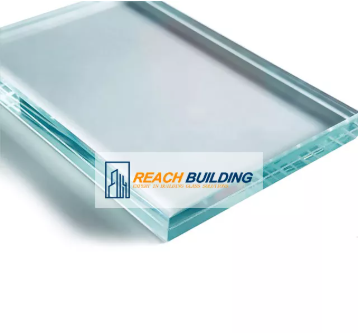
Tempered glass is produced through a specific heat treatment process. The glass is heated to around 600°C and then rapidly cooled, which strengthens the glass by inducing compressive stress on its surface. This treatment makes tempered glass significantly stronger than regular glass of the same thickness, allowing it to withstand impacts better. If broken, tempered glass shatters into small, blunt pieces, reducing the risk of injury.
The heat treatment process ensures that tempered glass is not only stronger but also safer when it breaks. This makes it an ideal choice for areas where safety is a priority.
Key Benefits of Tempered Glass in Architecture
Strength and Durability: Tempered glass is five times stronger than standard glass of the same thickness. Its strength makes it perfect for areas subject to frequent impacts or high traffic, such as glass railings, doors, and windows.
Heat Resistance: One of the most notable benefits of tempered glass is its ability to withstand temperature changes. It can endure temperature differences of up to 250°C (482°F) without breaking, which is why it’s often used in applications like kitchen glass and shower doors.
Because of its robustness and resistance to breakage, tempered glass is ideal for various applications where durability and safety are paramount.
When to Choose Tempered Glass for Your Project
You should consider tempered glass when safety and strength are critical factors. The following are ideal applications for tempered glass:
Shower doors: Tempered glass is a popular choice due to its heat resistance and durability.
Balustrades and glass railings: The strength of tempered glass ensures that it can withstand the pressure and impact of daily use in high-traffic areas.
Large windows: These require strong, durable glass to maintain safety and performance. Tempered glass is ideal for such applications due to its impact resistance.
Ensure that tempered glass is installed in areas where it can be easily replaced, as it cannot be cut or resized once tempered. Check local building codes to ensure compliance with regulations regarding tempered glass installations in specific areas.

Laminated Glass: Safety, Soundproofing, and UV Protection
How Laminated Glass Is Constructed and Its Safety Features
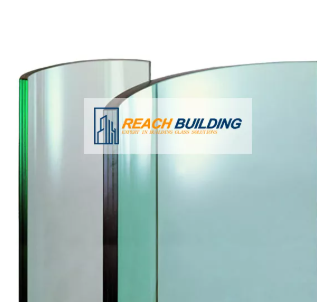
Laminated glass consists of two or more layers of glass that are bonded together with a plastic interlayer, typically made of polyvinyl butyral (PVB). This interlayer ensures that the glass remains intact even when shattered, preventing dangerous shards from falling and reducing the risk of injury. Unlike tempered glass, which shatters into small pieces, laminated glass cracks but stays in place, making it a more secure option for applications where safety is critical.
The unique construction of laminated glass offers a combination of strength, security, and sound insulation, making it a popular choice for buildings where noise reduction and enhanced protection are necessary.
Benefits of Laminated Glass in Architecture
Shatter Resistance and Safety: Even if laminated glass breaks, it stays in place due to the interlayer, making it an excellent choice for areas where security is paramount, such as storefronts, schools, and high-rise buildings.
Noise Insulation and UV Protection: Laminated glass is an excellent soundproofing material. Its interlayer absorbs sound, making it ideal for homes and offices located in noisy environments. Moreover, laminated glass can block up to 99% of UV rays, which helps protect furniture and interiors from sun damage.
Where to Use Laminated Glass in Your Building
Laminated glass is ideal for various applications where safety, soundproofing, and UV protection are important. Here are a few common uses:
Storefronts and banks: Provides additional security by preventing the glass from shattering in the event of an impact or break-in.
Skylights and overhead glazing: Ideal for preventing glass from falling if shattered, ensuring safety in areas like roofs or higher floors.
Hurricane-resistant windows: Laminated glass is a perfect choice for regions prone to extreme weather events, as it can withstand high winds and flying debris.
Laminated glass is especially useful in urban environments or near airports, where noise reduction is a key consideration. It creates a quiet, peaceful indoor environment, making it highly suitable for offices, conference rooms, and residential spaces.

Insulated Glass (IGU): Energy Efficiency and Thermal Performance
What is Insulated Glass and How Does It Work?
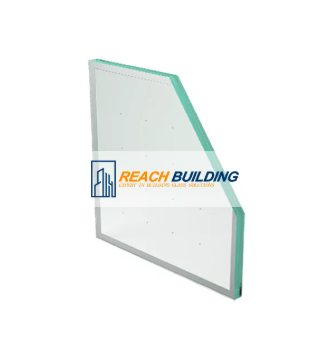
Insulated Glass Units (IGUs) consist of two or more panes of glass separated by an air or gas-filled space. This space acts as a barrier to heat transfer, making it an ideal option for improving a building’s thermal efficiency. The use of IGUs significantly reduces the amount of heat loss through windows and other glazing applications, making them highly effective for both residential and commercial buildings.
These units can also be optimized with low-emissivity (Low-E) coatings, which reflect heat back into the room while allowing visible light to pass through, further improving energy efficiency.
Energy Efficiency: How IGUs Help Cut Utility Bills
Insulated glass helps reduce energy consumption by limiting heat transfer, which keeps the interior of the building at a comfortable temperature. In colder months, IGUs prevent heat from escaping, while in warmer months, they keep the hot air outside. This feature makes them a vital component in energy-efficient buildings.
Additionally, Low-E coatings on insulated glass can further improve a building’s energy efficiency by reflecting heat back into the room, thus reducing heating and cooling costs year-round. This is particularly beneficial in regions with extreme climates.
Thermal Insulation and Noise Control: The air or gas-filled space between panes helps reduce heat loss, while the multiple glass layers provide moderate noise insulation, though not as effective as laminated glass for soundproofing.
Best Use Cases for Insulated Glass
Insulated glass is ideal for applications where energy efficiency and thermal performance are essential. It’s commonly used in:
Residential windows: IGUs help homeowners save on energy bills by improving the insulation of their homes.
Skylights and curtain walls: Insulated glass units are essential for commercial buildings where large glass surfaces are needed but thermal performance is still a priority.
Cold climates: In areas where winter temperatures are low, insulated glass helps to maintain a stable and comfortable indoor temperature, reducing heating costs.
For enhanced thermal performance, consider IGUs filled with argon or krypton gas. These gases offer better insulation properties than air-filled units.

Side-by-Side Comparison: Tempered vs. Laminated vs. Insulated Glass
| Feature | Tempered Glass | Laminated Glass | Insulated Glass (IGU) |
| Strength and Durability | High strength, resistant to impact | Strong, but excels in safety | Good, but not as strong as the other two |
| Impact Resistance | Shatters into small pieces | Cracks but holds together | No shatter resistance |
| Soundproofing | Basic soundproofing | Superior noise reduction | Moderate noise reduction |
| UV Protection | No inherent UV protection | Blocks up to 99% of UV rays | Low UV protection |
| Energy Efficiency | Not energy-efficient | Good insulation, but not the best | Excellent thermal insulation |
| Cost | Affordable upfront | Higher initial cost | Higher upfront investment, long-term savings |
Strength and Durability: Which Glass Wins?
Tempered glass is widely regarded as the strongest among the three, making it the best choice for areas that need high impact resistance. It can withstand significant stress and is ideal for use in locations where durability is a primary concern, such as glass railings and large windows. On the other hand, laminated glass is strong but excels more in safety and security due to its shatter-resistant nature. While it may not offer the same level of impact resistance as tempered glass, the interlayer holds the glass together even when cracked, preventing shards from falling. Insulated glass, while excellent for energy efficiency, is not as strong as the other two. It’s designed primarily to improve thermal insulation, and its structural integrity can be reinforced by using it in combination with tempered or laminated glass.
Impact Resistance: Safety Features Breakdown
When considering impact resistance, each type of glass offers different safety features. Tempered glass is known for its ability to withstand impacts, but when it does break, it shatters into small, blunt pieces, reducing the risk of injury. This makes it a good option for areas where safety is paramount, but it must be replaced if broken. Laminated glass, however, is designed to crack rather than shatter, and the interlayer ensures that the glass remains intact, even after impact. This feature makes laminated glass a superior choice for security applications and areas prone to breakage. Insulated glass, although strong, does not have the same shatter-resistant qualities as laminated glass. However, it can still provide protection when combined with tempered or laminated glass, especially in locations where thermal insulation is a priority.
Soundproofing and Acoustic Control Capabilities
For soundproofing, laminated glass is the clear winner. The interlayer of plastic between the glass layers absorbs sound, making it an excellent choice for environments where noise reduction is crucial, such as offices, conference rooms, or residential buildings near busy streets. Tempered glass offers basic soundproofing, but its performance is not as effective in blocking out noise compared to laminated glass. Insulated glass provides some noise insulation due to the space between the panes, but it is not as effective in noise control as laminated glass. That said, insulated glass is still a good option for areas where moderate sound reduction is needed along with energy efficiency.
UV Protection and Energy Efficiency Insights
Laminated glass offers exceptional UV protection, blocking up to 99% of harmful UV rays. This helps protect interior furnishings, floors, and fabrics from sun damage, such as fading and discoloration. In addition to UV protection, laminated glass also provides a degree of energy efficiency by reducing heat transfer. Insulated glass, or IGUs, are designed primarily for energy efficiency, offering superior thermal insulation that reduces energy consumption. By minimizing heat loss in winter and keeping the building cool in the summer, IGUs can significantly cut down on heating and cooling costs. Tempered glass, while strong and durable, does not inherently provide UV protection, but it can be treated with coatings to reduce UV rays and improve energy efficiency.
Cost and Long-Term Value Considerations
When considering the cost and long-term value, tempered glass is generally the most affordable option upfront, making it a popular choice for those on a budget. However, while it is durable, it may not offer the same long-term savings as the other types in terms of energy efficiency. Laminated glass comes with a higher initial cost, but its added benefits—such as shatter resistance, UV protection, and noise reduction—make it a valuable investment for projects where safety, security, and comfort are top priorities. Insulated glass is also a higher upfront investment due to its energy-efficient properties, but it offers long-term savings by significantly reducing energy bills. For buildings in regions with extreme climates, insulated glass is often the most cost-effective option over time due to its energy efficiency.
What is Architectural Glass and Why It Matters for Your Project?
The Role of Architectural Glass in Modern Building Design
Architectural glass plays a crucial role in shaping the functionality and design of modern buildings. It serves not only as a protective barrier but also as a vital element in facilitating natural light, enhancing views, and contributing to the overall aesthetic appeal of the building. Glass is an essential feature that impacts the building’s appearance, and it can be an integral part of the design concept, influencing how spaces are perceived and experienced.
For instance, architectural glass can create a sense of openness and spaciousness in interiors, providing unobstructed views and maximizing natural light. It’s also used for privacy, energy efficiency, and as a weather-resistant material, making it a versatile element in any design.
Why Glass Choice Affects Safety, Aesthetics, and Performance
When you choose architectural glass, you are making a decision that will affect the safety, aesthetics, and overall performance of your building. If safety is a primary concern, tempered glass is a top choice, as it is specifically designed to be more resistant to impacts and to break into smaller, safer pieces. On the other hand, laminated glass offers enhanced security, as the interlayer holds shattered glass together, preventing debris from falling. In terms of aesthetic appeal, tempered glass offers clarity and simplicity, while laminated glass can add a polished look with additional benefits like UV protection.
Beyond the visual aspects, performance is another key factor. Insulated glass is essential for energy-efficient buildings, helping to regulate temperatures and reduce heating and cooling costs. It’s a popular choice for eco-conscious builders and those looking to minimize their environmental footprint.
How Architectural Glass Contributes to Sustainability and Energy Efficiency
Sustainability is increasingly important in modern architecture, and architectural glass plays a significant role in achieving energy-efficient goals. For instance, insulated glass units (IGUs) provide exceptional thermal insulation, cutting down on energy consumption by reducing heat loss in winter and preventing excess heat from entering in summer. By improving the energy efficiency of a building, IGUs make a significant difference in reducing the demand for air conditioning and heating.
In addition to energy efficiency, laminated glass can block up to 99% of harmful UV rays. This protects interiors from sun damage, such as fading furniture and flooring, and contributes to overall energy savings by reducing the need for artificial lighting and cooling. The ability of glass to offer both functional and aesthetic benefits makes it a sustainable and valuable material in modern construction.
How to Choose the Right Glass for Your Project
| Glass Type | Key Benefits | Best Use Cases |
| Tempered Glass | Strong, heat-resistant, impact-resistant | Shower doors, glass railings, windows in high-traffic areas |
| Laminated Glass | Shatter-resistant, soundproofing, UV protection | Storefronts, security glass, skylights, hurricane-resistant windows |
| Insulated Glass | Energy-efficient, thermal insulation, noise control | Residential windows, office facades, commercial buildings |
Determining Your Priorities: Safety, Comfort, or Aesthetic Appeal?
Choosing the right type of glass for your project depends on your specific priorities. If safety and impact resistance are critical factors for your building, tempered glass may be the most suitable option, offering strength and durability. For projects where noise reduction and UV protection are key, laminated glass would be the better choice. It provides an extra layer of security and helps keep interiors comfortable by blocking out unwanted noise and harmful UV rays. For energy efficiency and thermal performance, insulated glass is the best option. It’s ideal for buildings aiming to reduce energy costs while maintaining a comfortable indoor environment.
Selecting Glass Based on Location and Environmental Conditions
The location and environmental conditions of your project play a significant role in determining which type of glass is best. For high-traffic areas or locations with high impact risks, tempered glass is the best choice due to its strength. In areas where noise is a concern, such as near busy roads or airports, laminated glass offers superior soundproofing capabilities. For energy-efficient buildings, especially in regions with extreme weather conditions, insulated glass is an ideal choice as it helps regulate the temperature and reduces energy consumption.
Budget Considerations and Project Requirements
While tempered glass is generally the most affordable option initially, it may not provide the long-term benefits in energy efficiency that insulated glass offers. Laminated glass is a higher investment upfront but delivers additional safety, UV protection, and soundproofing. Insulated glass tends to be more expensive initially but is highly cost-effective in the long run due to its energy-saving capabilities, making it a great option for eco-friendly projects and buildings that need to maintain consistent temperatures year-round.
Case Studies: Real-Life Applications of Each Type of Glass
Tempered Glass in Commercial and Residential Settings
Tempered glass is used in various commercial and residential applications where durability and safety are essential. For example, glass railings in residential buildings provide a modern aesthetic while offering enhanced safety, as the glass is able to withstand pressure without breaking. Shower enclosures are another common application, where the heat-resistant and shatterproof properties of tempered glass ensure safety and long-lasting performance.
Laminated Glass for Security and Sound Insulation
Laminated glass is widely used in environments where security and sound insulation are important. For instance, skylights in both residential and commercial buildings are often made with laminated glass to prevent shards from falling in the event of breakage. Storefronts use laminated glass to enhance security, as it helps to prevent break-ins while providing UV protection and noise reduction, which is especially beneficial for urban locations.
Insulated Glass for Energy-Efficient Buildings
Insulated glass is ideal for energy-efficient buildings, as it helps maintain a comfortable indoor temperature while reducing heating and cooling costs. Office building facades often feature IGUs to provide thermal insulation while allowing natural light to enter the space. In residential settings, insulated glass with argon gas between the panes helps reduce heating and cooling costs by improving the insulation of windows.
Conclusion
Choosing the right architectural glass is crucial for your project’s success. Tempered glass is ideal for areas requiring strength and impact resistance. Laminated glass excels in safety, soundproofing, and UV protection. Insulated glass offers energy efficiency and thermal comfort. When selecting the best type, consider your project's specific needs. For expert guidance, consult a professional to ensure the most suitable choice for your building.
For high-quality products, REACH BUILDING offers a range of durable and energy-efficient glass solutions. Their offerings deliver exceptional value for both residential and commercial projects.
FAQ
Q: What is architectural glass?
A: Architectural glass refers to any type of glass used in buildings for various functions such as windows, facades, and partitions. It can include tempered, laminated, and insulated glass, each with unique properties for safety, energy efficiency, and aesthetics.
Q: How does tempered glass differ from laminated glass?
A: Tempered glass is heat-treated for strength and impact resistance, while laminated glass consists of multiple layers of glass with a plastic interlayer for added safety and soundproofing. Both offer different benefits depending on your project’s needs.
Q: Which type of architectural glass is best for energy efficiency?
A: Insulated glass (IGU) is ideal for energy-efficient buildings. It reduces heat loss in winter and minimizes heat gain in summer, contributing to lower energy costs and better thermal performance.
Q: Why should I use laminated glass for my project?
A: Laminated glass provides enhanced safety and soundproofing. Its interlayer holds shattered glass together, preventing debris from falling, making it a great choice for high-security and noise-sensitive environments.
Q: What are the benefits of insulated glass in architecture?
A: Insulated glass offers excellent thermal performance by reducing heat transfer between the inside and outside of a building. It improves energy efficiency and contributes to a more comfortable indoor environment.
Q: How do I choose the right architectural glass for my project?
A: Consider factors like safety, energy efficiency, and aesthetics when selecting architectural glass. Tempered glass is great for impact resistance, laminated glass for security and soundproofing, and insulated glass for energy savings.