1. Introduction
Did you know that glass can be a safety feature? Regular glass can shatter and cause injuries, but safety glass is designed to protect people and property. So, what is safety glass used for?
In this article, we will explore the many uses of safety glass. From vehicles to buildings, we’ll discuss its importance in everyday life. You’ll learn why safety glass is a key component for both safety and security.
2. What is Safety Glass?
2.1 Definition and Composition
Safety glass refers to any type of glass that is designed to minimize the risk of injury when it breaks. This glass can be either laminated or tempered, depending on its intended application. Laminated safety glass consists of two layers of glass with a plastic layer in between, which keeps the glass intact even when shattered. Tempered safety glass, on the other hand, is heat-treated to increase its strength, making it less likely to break into dangerous shards.
2.2 Types of Safety Glass
There are several types of safety glass, each suited to different applications. The most common types include:
● Tempered Glass: Produced by heating and cooling the glass to increase its strength, tempered glass is resistant to breaking. If it does break, it shatters into small, blunt pieces rather than sharp shards.
● Laminated Glass: Made by sandwiching a layer of plastic between two layers of glass, laminated glass holds together even if broken, preventing the glass from scattering.
● Toughened Glass: Similar to tempered glass but with additional treatments to further increase its strength and heat resistance.
These types of safety glass are used in various applications to enhance safety, especially where breakage can cause significant harm.
3. Key Applications of Safety Glass
3.1 Safety Glass in Vehicles
Safety glass is widely used in the automotive industry. Windshields and side windows of cars, trucks, and buses are typically made from laminated safety glass. This type of glass ensures that, in the event of an accident, the glass does not shatter into sharp pieces that could injure passengers. The plastic layer in laminated glass also prevents the glass from flying out of the frame, providing additional protection.
Always check whether your vehicle uses laminated or tempered glass for optimal safety.

3.2 Safety Glass in Buildings
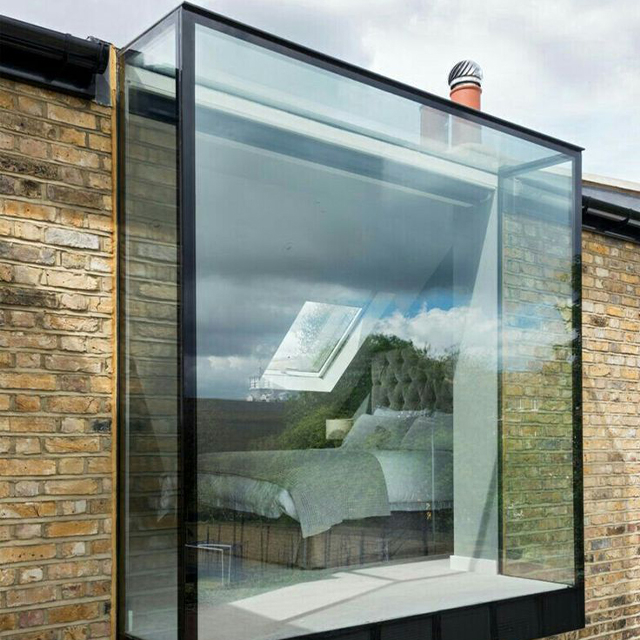
In the construction industry, safety glass is used for windows, doors, and glass walls in both residential and commercial buildings. It offers protection against accidents and acts as a barrier against extreme weather conditions like storms or hurricanes. The use of safety glass in building facades not only enhances safety but also improves the aesthetic value of a structure.
Safety glass is also used in high-traffic areas, such as public transport stations and shopping malls, where the risk of accidents is higher.
When renovating or designing a building, consider using laminated safety glass for areas with heavy foot traffic.
Application Area | Type of Safety Glass | Purpose |
Windows | Laminated Safety Glass | To prevent glass from shattering and causing injuries |
Glass Doors | Tempered Safety Glass | To ensure strength and impact resistance |
Glass Facades | Laminated or Tempered Glass | To provide security and protection from weather damage |
High Traffic Areas | Laminated Safety Glass | To reduce the risk of breakage and injury in busy areas |
3.3 Safety Glass in Electronics and Appliances
Safety glass is also used in many consumer electronics, including smartphones, televisions, and kitchen appliances. For example, the screen of a smartphone often uses tempered glass to protect the device from accidental drops. Similarly, oven doors, refrigerators, and other appliances are often made with safety glass to ensure durability and to minimize the risk of glass breakage in case of accidental impact.
3.4 Other Applications of Safety Glass
In addition to the above, safety glass is used in many other sectors:
● Aviation: In airplane windows, safety glass ensures that the cabin remains intact during turbulent weather conditions.
● Public Transportation: Trains, buses, and subways often use safety glass in windows and doors to protect passengers from external dangers.
● Sports Equipment: Certain types of sports equipment, such as protective goggles or helmet visors, use safety glass for added protection against impact.
4. Why is Safety Glass Important?
4.1 Injury Prevention
The primary purpose of safety glass is to reduce the risk of injury when glass breaks. Unlike ordinary glass, which can shatter into sharp shards, safety glass is designed to either break into small, rounded pieces or remain intact within a frame. This minimizes the potential for serious injuries such as cuts or lacerations. Whether in a car accident or a building, the use of safety glass ensures a safer environment.
Ensure your home or office uses safety glass in areas where the risk of breakage is high, such as glass doors or windows.
4.2 Enhancing Security
Safety glass is a key component in enhancing security. In commercial and residential buildings, safety glass helps deter break-ins. Its resistance to impact makes it more difficult for intruders to shatter windows or doors. Additionally, laminated safety glass acts as a barrier, preventing unauthorized entry even if the glass is broken.
This feature is particularly beneficial in high-security areas like banks, government buildings, and jewelry stores.
4.3 Weather and Environmental Protection
Safety glass is also used to protect against the effects of severe weather. In hurricane-prone areas, laminated safety glass can prevent windows from shattering during strong winds. The extra layer of plastic not only prevents glass from breaking but also prevents dangerous flying debris from entering the building. This feature is also useful in areas prone to earthquakes or heavy snow.
For regions prone to extreme weather, consider installing laminated safety glass in your windows to ensure safety during storms.
5. How Safety Glass Works
5.1 Impact Resistance
Safety glass is engineered to resist impact. Tempered glass is heat-treated, which increases its strength and resistance to sudden pressure. Laminated glass, with its plastic interlayer, absorbs and distributes the force of an impact, preventing the glass from shattering into dangerous pieces. These properties make safety glass ideal for applications where high-impact forces are likely, such as in vehicles and buildings.
5.2 Shatterproof and Durability
The shatterproof nature of safety glass is due to the specific treatments and materials used in its production. Tempered glass, for example, undergoes a heat process that strengthens it to the point where it is four to five times stronger than regular glass. In contrast, laminated glass holds together even when cracked, making it an ideal choice for high-risk environments.

6. Advantages of Using Safety Glass
6.1 Increased Durability
Safety glass offers superior durability compared to regular glass. It is designed to withstand impact, resist breaking, and perform well under high-pressure conditions. The longer lifespan of safety glass reduces the need for frequent replacements, making it a cost-effective solution in the long term.
When planning for glass installations in high-risk areas, choose safety glass for improved durability and safety.
Type of Glass | Strength | Durability | Risk of Shattering |
Safety Glass (Tempered) | 4-5 times stronger than regular glass | High, resistant to breakage | Minimal, breaks into small, blunt pieces |
Safety Glass (Laminated) | High strength due to plastic interlayer | Very high, glass stays intact when cracked | None, remains in place even when damaged |
Regular Glass | Standard strength | Low, prone to breaking under impact | High, shatters into sharp pieces |
6.2 Cost-Effectiveness
Although safety glass may initially cost more than standard glass, its durability and safety features make it a more cost-effective option over time. By reducing the likelihood of accidents and injuries, safety glass helps avoid costly medical bills and property damage. It is a worthwhile investment, especially in high-traffic areas or places where glass breakage is common.
6.3 Versatility and Aesthetic Appeal
Safety glass is not only functional but also versatile in design. It can be used in a variety of settings, from sleek, modern office buildings to elegant home interiors. Available in various styles and finishes, safety glass allows designers to create visually appealing structures while ensuring safety. It can be frosted, tinted, or clear, offering a wide range of aesthetic possibilities.
Consider using tinted safety glass for added privacy in commercial buildings while maintaining a stylish look.
7. Conclusion
Safety glass plays a crucial role in protecting people and property. It is commonly used in vehicles, buildings, and electronics to prevent injuries and enhance security. Its durability and impact resistance make it an ideal choice for high-risk areas. Companies like HANGZHOU REACH BUILDING CO., LTD. provide high-quality safety glass that ensures both safety and durability, offering valuable solutions for various industries.
FAQ
Q: What is safety glass made of?
A: Safety glass is typically made from tempered or laminated glass. It is designed to minimize injury by preventing glass from breaking into sharp pieces.
Q: Why is safety glass used in vehicles?
A: Safety glass is used in vehicles to protect passengers. Laminated glass in windshields prevents glass shards from scattering during accidents, reducing injury risk.
Q: How does safety glass work?
A: Safety glass works by either shattering into small, blunt pieces or staying intact when broken. This prevents sharp edges and reduces the risk of injury.
Q: Where is safety glass used in buildings?
A: Safety glass is used in windows, doors, and facades in buildings. It provides both safety and security by preventing break-ins and minimizing injuries from accidents.
Q: Is safety glass more expensive than regular glass?
A: Yes, safety glass tends to be more expensive than regular glass due to its enhanced durability and safety features, but it provides long-term benefits and protection.
Q: What are the advantages of using safety glass?
A: The main advantages of safety glass include injury prevention, improved security, and durability. It also helps protect against extreme weather conditions like storms.