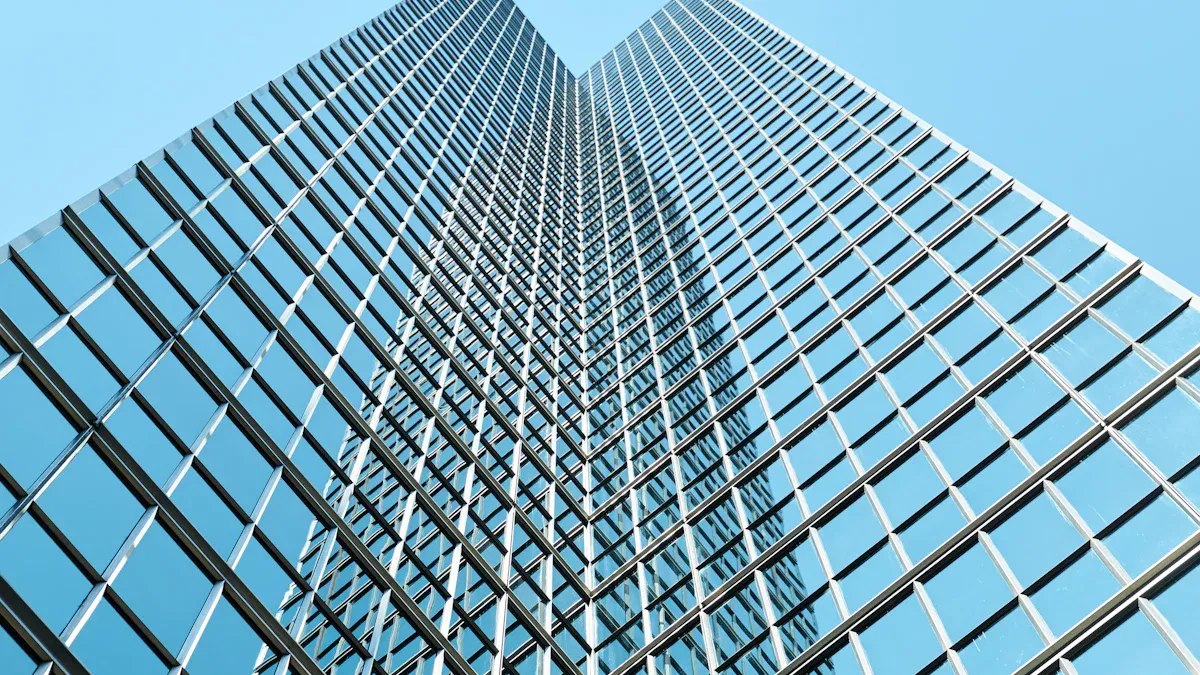
You see many buildings with big windows and glass walls now. This is because insulated glass changed what is possible in architecture. This material helps save energy. It also cuts power bills by almost half. It meets new rules for green buildings. Cities are growing fast and rules are strict. So, insulated glass is a top choice for new buildings.
Key Takeaways
Insulated glass helps save energy. It can cut power bills by almost half. This makes it a smart choice for new buildings. This glass lets buildings have bigger windows and glass walls. More natural light comes in. Rooms feel open and welcoming. Insulated glass makes people more comfortable. It keeps indoor temperatures steady. It also blocks noise from outside. This makes homes and offices nicer places to be.
Insulated Glass: Historical Evolution
Early Glass Limitations
Old buildings often have small windows. Single-pane glass had many issues. It did not keep rooms warm in winter. In summer, rooms got too hot. Outside noise came in easily. The glass broke a lot and needed fixing. People paid more for energy because heat escaped fast. City life was harder with these windows. They could not block noise or weather well.
Single-pane glass let heat move in and out.
Insulated glass has two or more panes with a gap. This helps keep heat inside in winter and outside in summer.
Modern insulated glass can cut energy use for heating and cooling by up to 20%.
The Rise of Double-Paned Windows
Insulated glass started to change things in the early 1900s. Inventors and builders wanted better comfort and to save energy. Here are some important events:
Year
Event Description
1934
Charles D. Haven filed a patent for a multi-ply glass sheet glazing unit. This led to the Thermopane brand.
1952
Andersen Corporation brought the first commercial double-glazed windows to the US.
1970s
Low-emissivity (low-E) glass was developed. This made double-glazed windows save even more energy.
Insulated glass let architects design tall buildings with glass walls. The United Nations Secretariat in New York used this idea. Lever House on Park Avenue did too. These buildings showed how glass could change cities.
Architectural Impact of Insulated Glass
Larger Windows and Facades
Many buildings now have big glass walls and wide windows. This is possible because insulated glass works well. Before, large windows made rooms lose heat or get cold. Insulated glass keeps buildings cozy and lets you enjoy bright spaces. Architects use it to make tall buildings with glass fronts that look modern. Insulated glass saves energy, so big glass surfaces do not waste power.
Bigger windows and glass walls show how architecture has changed. More daylight comes inside, and buildings look friendly outside. Insulated glass helps architects build nice facades that also save energy.
Aspect
Details
Wind Load Design
The building needs a windload of 5.72kPa because it is in a typhoon area.
Joint Dimensioning
Usual ways make big joints that may not fit frame designs.
Structural Glazing System
The project uses a 4-sided system where the dead load is held up by mechanical support.
Glass Panel Size
The biggest glass panel is 1500mm X 1700mm.
Technical Support
Technical help was given to keep the façade safe and strong.
This table shows insulated glass helps make big panels and strong walls, even in bad weather.
Energy Efficiency and Comfort
Insulated glass does more than look nice. It helps you save energy every day. With insulated glass, buildings stay warm in winter and cool in summer. You do not need as much heating or air conditioning. You save money and help the earth.
These numbers show how well insulated glass keeps heat in or out. Lower U-values mean better insulation. Many places use insulated glass to follow energy rules and reach zero carbon goals. China is ahead because people want homes and offices that save energy.
You feel better because the temperature stays the same. No cold drafts in winter or hot spots in summer. Insulated glass also blocks noise, so rooms are quieter.
Connection to Outdoor Spaces
Insulated glass lets you see outside and stay comfy. You can have tall windows that bring in lots of sunlight. Rooms feel bigger and brighter. You feel close to nature, even indoors.
Double or triple glazing keeps rooms warm or cool and lets in sunlight. Low-E glass has a special layer that lets in light but blocks heat. You get bright rooms and a comfy climate.
With insulated glass, you can make spaces that feel open and near nature. You do not lose energy or feel uncomfortable. This material helps you build homes and offices that look good and work well.
Modern Insulated Glass Technology
Innovations in Glass Design
Many new buildings use glass that does more than let in light. Designers pick insulated glass to make rooms bright and quiet. It also helps save energy. Some projects use smart glass that changes with the weather. Some glass has coatings that bounce heat away but let sunlight in. Vacuum-insulated glass is thin and light. It keeps rooms comfy in every season.
REACH BUILDING uses these new glass types for comfort and green goals. These features help buildings use less energy and look new.
Sustainability in Architecture
Insulated glass helps make buildings greener. It keeps rooms at the right temperature. You do not need as much heating or cooling. This means you pay less for energy and make less pollution. Glass can be recycled. Many companies use old glass to help the earth.
Insulated glass saves energy and money.
Buildings with insulated glass can lower carbon by up to 94%.
Projects like Ken Soble Tower and 825 Pacific Street show how triple IGUs make homes and offices better.
Insulated glass helps buildings get green awards like LEED and BREEAM. It brings in more daylight and blocks noise. You help the planet and make nicer places to live and work.
Insulated glass made buildings feel different. You see more sunlight inside and bigger rooms.
You can enjoy more daylight and open areas.
Famous buildings like the Crystal Cathedral use glass to help you feel closer to nature. Insulated glass keeps heat from escaping, so you spend less on energy. It helps buildings be better for the environment and will change how buildings are made in the future.
FAQ
What makes insulated glass different from regular glass?
You get two or more glass layers with a sealed gap. This design keeps your room warmer in winter and cooler in summer.
Can insulated glass help lower my energy bills?
Yes! You use less heating and cooling. Insulated glass keeps indoor temperatures steady, so you save money on energy costs.
Does insulated glass block outside noise?
You hear less noise from traffic or neighbors. The extra glass layers and air gap help keep your space quiet and peaceful.
Miracle Co-founder of Reachbuilding
Miracle owns a glass factory that has been in operation for 40 years. His family has been engaged in the construction industry for over 60 years and possesses extensive engineering and production experience. At Reach Building, he focuses on product technical support, custom solutions, and industry trend analysis for global dealers, contractors, and builders.In his column, Miracle shares practical insights, project case studies, and expert advice to help construction professionals select the right glass for safer, more energy-efficient buildings.
With nearly 30 years of experience in building materials, REACH BUILDING provides customized glass products and technical solutions for global construction and interior projects.
We use cookies to enable all functionalities for best performance during your visit and to improve our services by giving us some insight into how the website is being used. Continued use of our website without having changed your browser settings confirms your acceptance of these cookies. For details please see our privacy policy.