If you have ever noticed a sofa fading near a window, wood flooring changing color in bright spots, or curtains losing their original richness over time, you have already seen the hidden cost of sunlight indoors. Natural light makes a room feel open, warm, and inviting, but it can also slowly damage furniture, fabrics, artwork, rugs, and finishes. That is why many homeowners, designers, and builders ask an important question: can low e glass protect furniture from sun damage? The short answer is yes, low e glass can help, but the full explanation is more useful than a simple yes or no. Its protective value depends on how sunlight affects interiors, what type of glazing system is installed, and what level of performance the project actually requires.
What Causes Sun Damage Inside a Home or Building?
Furniture does not fade or deteriorate because of light alone. In most cases, indoor sun damage is caused by a combination of factors working together over time.
The main contributors are:
· Ultraviolet radiation, which can break down dyes, fibers, and surface finishes
· Visible light, which also contributes to fading, especially with long exposure
· Solar heat, which can dry out wood, weaken adhesives, and speed up material aging
This is why two identical pieces of furniture can age very differently depending on where they are placed. A chair in a shaded part of the room may look nearly new after years of use, while the same chair by a large south-facing window may show clear signs of fading, cracking, or discoloration.
Sun damage is usually gradual. It does not happen in one dramatic moment. Instead, it builds up through repeated daily exposure. That makes protective glazing especially important in rooms with large windows, glass doors, skylights, or long afternoon sun.
Two common ways low e glass is used
Single glazing applications
In some cases, low e coatings are applied to single panes, often in specialized projects or retrofit situations.
Insulated glass units
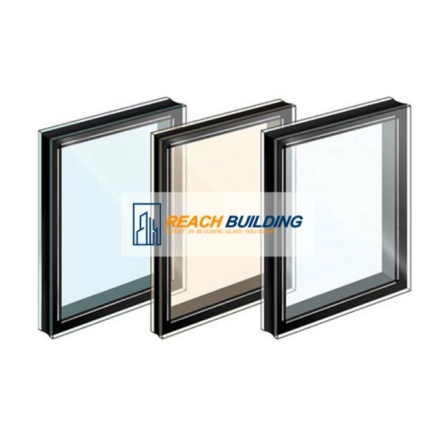
More commonly, low e glass is used in double glazing or insulated glass units, where the coating works as part of a broader performance system. This setup usually provides better thermal control and more balanced overall results.
How Low E Glass Helps Protect Furniture
The most accurate answer is that low e glass helps reduce the risk of sun damage rather than eliminating it completely. Its value comes from lowering the intensity of solar effects that reach interior surfaces.
One of the biggest advantages of low e glass is its ability to reflect part of the sun’s heat. When less solar heat enters the room, furniture, wood, leather, and textiles are exposed to less thermal stress. This can help slow down drying, warping, cracking, and other heat-related aging effects.
Depending on the coating type and glazing configuration, low e glass can reduce a portion of ultraviolet radiation. Since UV rays are a major cause of fading, this is one of the reasons it is often recommended for homes with valuable interiors, display spaces, and sun-facing rooms.
Protection is not only about blocking sunlight directly. A room with better temperature stability is usually gentler on materials over time. Fabrics, wood finishes, veneers, and adhesives often perform better in spaces that experience fewer temperature extremes.
So, while low e glass is widely known for energy savings, it also plays a useful supporting role in preserving indoor materials.
A Simple Comparison of Window Glass Options
The table below helps explain how low e glass compares with other common glazing choices when the goal is to reduce sun damage and improve indoor comfort.
Glass Type | Heat Control | UV Reduction | Daylight Quality | Furniture Protection Potential |
Standard clear glass | Low | Low | High | Limited |
Tinted glass | Moderate | Moderate | Reduced depending on tint | Better than clear glass, but varies |
Low e glass | Good to high | Moderate to good depending on system | Good balance of light and control | Strong practical option for most spaces |
Laminated glass | Moderate | High | Good | Very strong for UV-sensitive interiors |
Low e laminated glass | High | High | Good to high depending on design | Best all-around option in many premium applications |
This comparison shows why many projects use more than one glazing strategy. If furniture protection is a top concern, combining low e glass with laminated construction can often deliver stronger results than using standard low e coating alone.

Which Rooms Benefit Most from Low E Glass?
Not every room faces the same level of sun exposure. In some spaces, low e glass offers a noticeable benefit almost immediately in terms of comfort and glare control, while in others its long-term value shows up through slower fading and reduced material stress.
Living rooms with large windows
Living rooms often contain sofas, rugs, curtains, wood tables, and decorative finishes that are vulnerable to long-term sunlight. Because these spaces are designed for both daylight and comfort, low e glass is often a very practical choice.
Bedrooms with morning or afternoon sun
Bedrooms may contain upholstered headboards, linens, flooring, and wardrobes that receive repeated exposure. Better solar control can help preserve finishes while also improving sleeping comfort.
Home offices and study areas
Books, framed documents, electronics, and desks can all be affected by direct light and heat. Low e glazing can support a more balanced environment in workspaces that need both light and material protection.
Commercial interiors
Retail displays, office furnishings, hospitality interiors, and showroom products also benefit from low e glass, especially in buildings with extensive glazing.
Is Low E Glass Enough for Valuable Interiors?
That depends on what you are trying to protect.
If the goal is to improve general comfort and reduce everyday fading risk for standard furniture, low e glass is often a smart and worthwhile solution. It addresses both heat and part of the radiation problem, which makes it a strong upgrade over ordinary clear glass.
If the interior includes high-value woodwork, artwork, luxury fabrics, archival materials, or display products that are especially sensitive to light, then a stronger glazing strategy may be better.
1.When low e glass is usually enough
For many homes, apartments, offices, and general living spaces, low e glass offers a good balance between daylight, comfort, and practical furniture protection.
2.When you may want more than low e glass
For premium interiors, museums, luxury storefronts, or highly exposed glass façades, it may be wise to consider laminated low e glass, deeper shading strategies, or a full solar-control glazing specification.
This distinction matters because not every project needs the maximum solution. The best choice is the one that matches the building, the exposure, and the value of the interior materials.
Conclusion
So, can low e glass protect furniture from sun damage? Yes, it can help in a meaningful way, especially by reducing solar heat and lowering part of the UV burden that contributes to fading and material aging. At the same time, it is important to treat it as a practical protective layer rather than a perfect shield. The best results usually come from matching the right low e glass specification with the building’s exposure conditions and, when necessary, combining it with shading or laminated glass for stronger interior preservation. For homeowners, architects, builders, and developers, this makes low e glazing a smart option not only for energy performance, but also for maintaining the long-term quality of interior spaces.
From our perspective, the most effective glass choice is the one that balances daylight, comfort, efficiency, and real protection for the materials people live with every day. We believe glazing should support both building performance and the life of the interior, especially in projects with large windows or strong solar exposure. At HANGZHOU REACH BUILDING CO.,LTD., we pay close attention to how different glass solutions perform in practical applications, not just in theory. If you would like to learn more about low e glass, suitable glazing options, or how to choose the right configuration for residential or commercial projects, you can contact HANGZHOU REACH BUILDING CO.,LTD. for more information.
FAQ
1. Does low e glass stop furniture from fading completely?
No. Low e glass helps slow fading and reduce solar stress, but it does not completely prevent all change over time. Visible light and ongoing exposure still matter.
2. Is low e glass better than regular clear glass for sunny rooms?
Yes. In most sunny rooms, low e glass offers better heat control and more interior protection than standard clear glass, making it a stronger option for comfort and furniture care.
3. What is better for UV protection, low e glass or laminated glass?
Laminated glass generally offers stronger UV protection, while low e glass is especially valuable for heat control and broader energy performance. In some cases, combining both is the best solution.
4. Can low e glass be used in both homes and commercial buildings?
Yes. Low e glass is widely used in houses, apartments, offices, hotels, retail spaces, and many other buildings where comfort, efficiency, and interior protection are important.