Introduction
Have you ever looked at a piece of glass and wondered why it seems slightly green? Not all glass is created equal—and when visual clarity matters, that subtle tint can make a big difference. Low Iron Glass is valued for its exceptional transparency and ability to show true colors without distortion. But unless you know what to look for, it’s easy to mistake it for standard glass.
In this article, we’ll explore how to tell if your glass is low-iron using clear, practical methods. From edge color to light transmission, you’ll gain expert-backed insights to help you choose confidently—whether you're specifying materials or reviewing an installation.
What Is Low-Iron Glass and How Is It Different?
Low iron glass, often labeled as “ultra-clear” or “extra-clear,” is made with reduced iron content. This gives it a brilliant, almost colorless appearance—unlike regular clear glass, which has a noticeable green tint due to higher iron levels.
What Makes Low-Iron Glass Unique
● Contains minimal iron oxide (fewer impurities).
● Allows more visible light to pass through—up to 91%.
● Maintains clarity even in thick sheets.
Clear Glass vs Low-Iron Glass: Transparency and Color Tone
Feature | Standard Clear Glass | Low-Iron Glass |
Iron Content | Higher (natural in raw materials) | Extremely low |
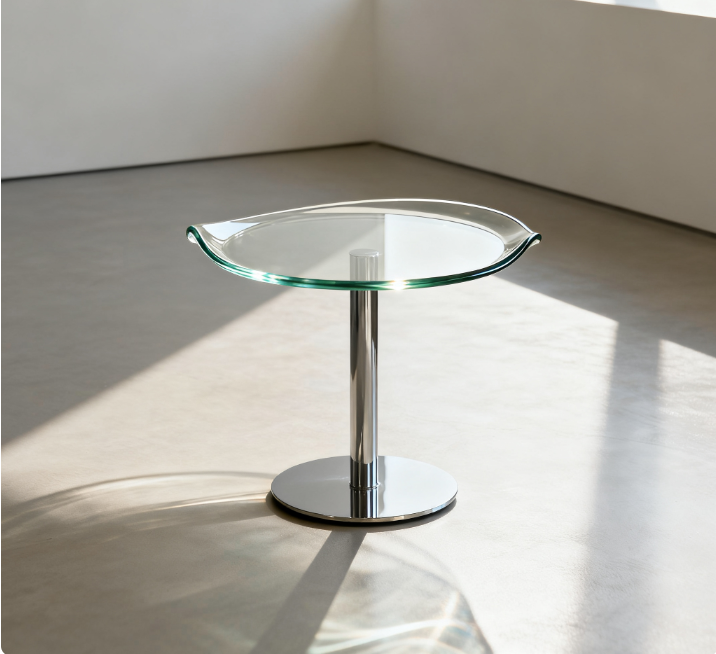
Edge Tint | Greenish, more intense when thick | Blueish or completely clear |
Light Transmission | 83–86% | 90–91% |
Color Accuracy | Slight distortion | True-to-color representation |
Appearance | Slightly duller | Bright, transparent, crisp |
Where Low-Iron Glass Is Typically Used
You’ll often see it in high-end applications like:
● Frameless shower doors
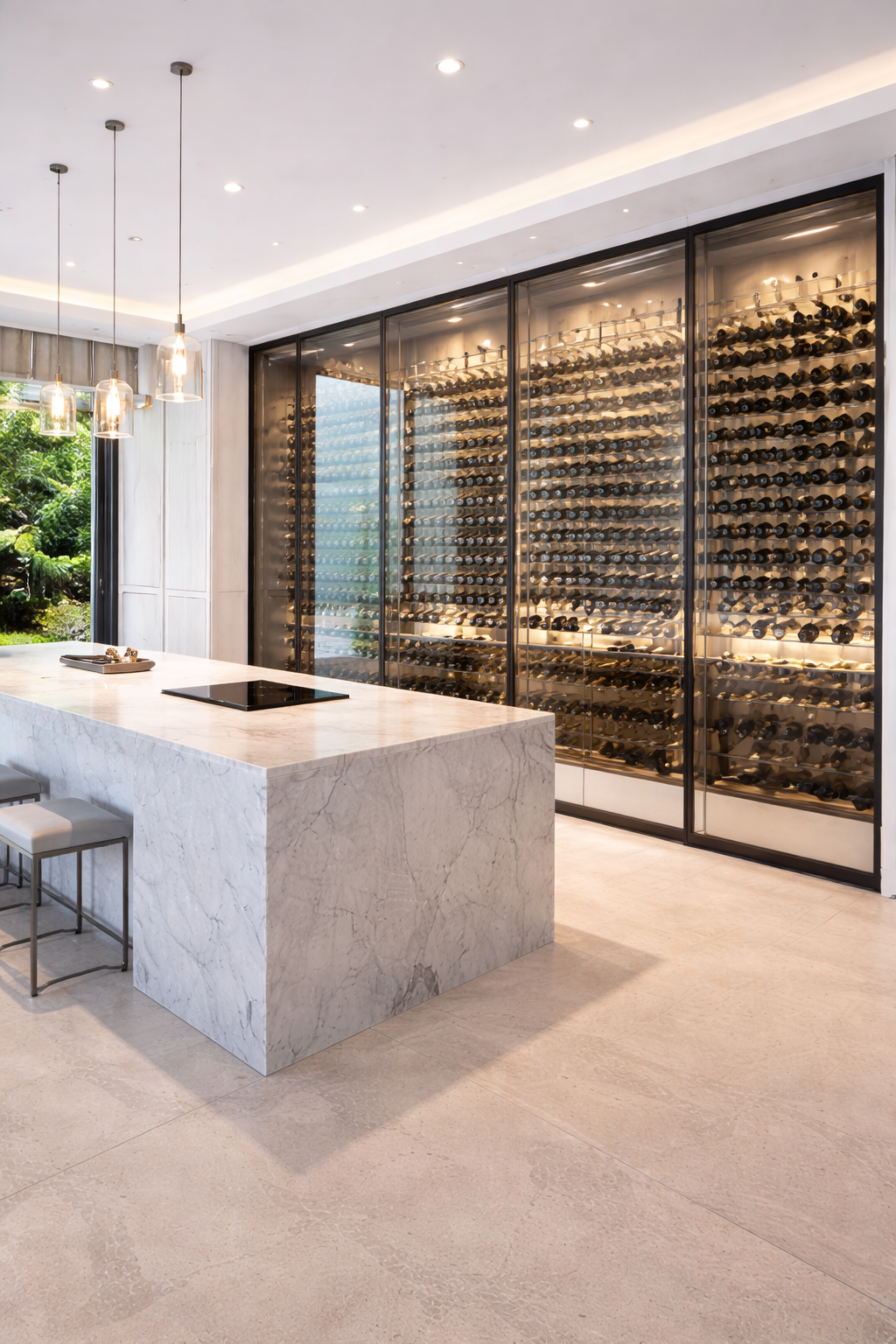
● Display shelving and jewelry cases
● Glass partitions and facades
● White or back-painted walls
Note: REACH BUILDING, a leading supplier of architectural glass, produces certified low-iron glass for construction, furniture, and home improvement projects. Their products are widely used in global high-transparency applications.
Why It Matters: Visual and Functional Benefits
Accurate Color Rendering in Architectural Design
Standard glass can cast a greenish tint that subtly alters how colors appear, especially whites and pastels. This shift often dulls the intended visual impact. Low-iron glass eliminates that distortion, preserving the true color of tiles, painted surfaces, and displays. It’s ideal for spaces where accurate color presentation is critical, such as galleries and retail interiors.
Higher Light Transmission for Brighter Interiors
Because it contains less iron, low-iron glass allows more natural light to pass through. This results in brighter, more open-looking interiors. It’s especially effective in modern environments like showrooms and open-plan offices, where natural lighting enhances comfort and visual appeal.
Premium Aesthetic for Luxury and Retail Spaces
The ultra-clear finish of low-iron glass offers a sleek, refined look. It enhances product visibility and complements minimalist design schemes. Used in display windows, partitions, or upscale fixtures, it communicates a high-end, professional image.

How to Tell If Your Glass Is Low-Iron
You don’t need lab tools to spot it—just a few sharp tricks. Try these easy tests to confirm whether your glass is low-iron or not.
1. Check the Edge Color
Place the glass upright and view its edge. If it’s green, it’s standard float glass. If it appears icy blue or almost invisible, chances are it’s low-iron. This works best with polished or ground edges and becomes even clearer with thicker panels.
2. Use a White Paper Test
Hold a white sheet behind the glass. If the paper now looks greenish or dulled, that’s the iron talking. Low-iron glass lets the white shine through without distortion. It’s especially noticeable in display glass or shelving.
3. Light Transmission Test
Set two samples side by side under strong lighting. Low-iron glass will look brighter, sharper, and more “open.” It's subtle—but noticeable once you're looking for it.
4. Glass Thickness Matters
With standard glass, the thicker it gets, the greener it shows. In contrast, low-iron glass maintains its clarity, even at 10mm or 12mm thickness. If your glass stays color-free as it gets thicker, that’s a strong clue.
Tip: Combine these methods when possible. Edge color and white background tests give the clearest signals when used together.
Compare With a Standard Clear Glass Sample
How to Conduct a Side-by-Side Visual Test
To compare accurately, place the glass you're unsure about next to a confirmed standard clear glass sample of similar size and thickness. Position both vertically or lay them flat against a white surface, ideally near a window or under natural daylight. Examine the edges first—subtle color differences often appear there. Then view through the surface to assess how each panel affects background colors.
Interpreting Subtle Differences
In neutral lighting conditions, the differences become easier to spot:
● Green hues = standard glass.
● Brighter whites = low-iron glass.
Even a small shift in tone can reveal the glass type when viewed side by side.
Ask the Supplier or Manufacturer
When in doubt, check the documentation.
Review Product Labels and Technical Specs
Most low-iron glass products are clearly labeled. Look for descriptions like:
● “Ultra-clear”
● “Low-iron”
● “High light transmittance”
Certifications to Look For
Reputable products typically meet or exceed standards like:
● EN12150-1
● ASTM C1048
● BS6262
● CCC and AS/NZS2208
What to Request in Spec Sheets
● Light transmittance percentage (aim for 90%+)
● Measured iron content
● Thickness and finish type
Note: REACH BUILDING provides detailed technical sheets and international certifications with all their low-iron glass offerings, helping buyers validate product quality with ease.
Advanced Identification Techniques
If you need scientific proof, try these more technical methods.
While visual inspection is often enough, some situations demand a more scientific approach. For design-critical or high-investment projects, two advanced methods can help confirm whether a piece of glass is truly low-iron.
Method | What It Does | When to Use |
UV Light Test | Reveals how the glass fluoresces under ultraviolet light. | Useful when edge tint is unclear. Requires a special lamp. |
Spectrophotometry | Measures iron content and light transmission with precision. | Best for laboratory analysis or highly specific visual requirements. |
These techniques offer a deeper level of confirmation, especially when standard identification methods leave room for doubt.
When to Consult a Glass Expert
If your project involves high-value installations, strict visual standards, or brand-sensitive environments—such as museums, luxury boutiques, or corporate interiors—it’s worth bringing in a professional. A glass expert can perform precise evaluations, verify specifications, and help ensure the material meets both aesthetic and performance goals. Their input is especially valuable when clarity, color fidelity, or long-term durability is critical to success.
Common Applications That May Hint at Low-Iron Glass
Low-iron glass is often chosen not just for its performance, but for where it's used. In fact, certain applications are strong indicators of low-iron use—especially in design-driven or color-sensitive environments.
Application Area | Why Low-Iron Glass Is Likely Used |
Display Cases & Retail Shelving | Ensures products appear true-to-color, free from green distortion. |
Frameless Shower Enclosures | Maintains clean, bright aesthetics—especially with white or light tile. |
Back-Painted Walls (White/Neutral Tones) | Preserves color accuracy and crispness without hue shifts. |
Facades & Curtain Walls | Offers a seamless, clear surface with minimal visual obstruction. |
High-End Furniture & Cabinetry | Enhances detail clarity and supports premium finishes. |
These use cases don’t guarantee the presence of low-iron glass—but they often rely on its clarity to achieve the intended visual result.

Choosing Low-Iron Glass with Purpose
You don’t always need it—but when you do, it makes a big difference. If the design calls for brightness, color accuracy, or minimal visual disruption, low-iron delivers.
● Use Low-Iron If:
○ Color fidelity is crucial (e.g., back-painted panels, branded displays).
○ You want maximum daylight and brightness.
○ The application is visual-first (e.g., luxury interiors, furniture, facades).
● Stick with Clear Glass If:
○ Budget is the main concern.
○ Color shift doesn’t affect the space or object.
○ It's used more for structure than aesthetics.
Here’s a pro tip for glaziers and contractors:
Tip: In insulating glass units (IGUs), always specify low-iron on both lites—not just the outer one. Using low-iron outside and standard glass inside will cancel the clarity you paid for.
REACH BUILDING recommends matching low-iron on both sides to preserve true color, light flow, and high-end appeal in double-glazed systems.
Conclusion
Identifying low-iron glass doesn't require complex tools—just a trained eye and the right comparisons. From checking edge color and observing clarity to reviewing light transmission and thickness, the visual signs are clear once you know where to look. These simple yet effective techniques can help you confidently determine if your glass is truly low-iron.
Working with trusted suppliers like HANGZHOU REACH BUILDING CO.,LTD. adds even more assurance. Their low-iron glass products deliver exceptional clarity and color accuracy, making them ideal for luxury interiors, facades, and precision-based designs. Backed by international certifications and expert support, their solutions help meet both aesthetic and functional goals in any project. If your current installation lacks brightness or distorts color, it may be time to consider upgrading to the crystal-clear performance of low-iron glass.
FAQ
Q: What is low iron glass, and why does it matter?
A: Low Iron Glass is a type of ultra-clear glass made with reduced iron content. It offers higher transparency and better color accuracy, making it ideal for luxury interiors, displays, and facades.
Q: How can I tell if my glass is low iron?
A: Look at the edges—standard glass shows a green tint, while Low Iron Glass appears blue or nearly colorless. You can also place white paper behind the glass; if it looks pure white, it's likely low iron.
Q: Does low iron glass cost more than regular glass?
A: Yes, Low Iron Glass is typically more expensive due to its purity and enhanced visual performance. However, its aesthetic and functional benefits often justify the added cost in high-end applications.
Q: Can low iron glass be used in double-glazed units?
A: Absolutely. For best clarity, use Low Iron Glass on both panes of a double-glazed unit. Mixing it with standard glass may reduce the overall transparency.
Q: What are the most common uses of low iron glass?
A: It's often used in frameless showers, display cabinets, storefronts, glass walls, and high-end furniture—anywhere clarity and color fidelity matter.