Introduction
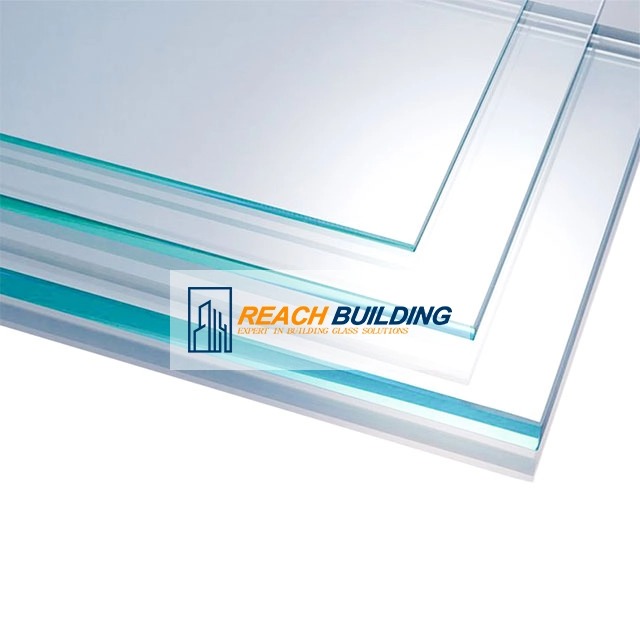
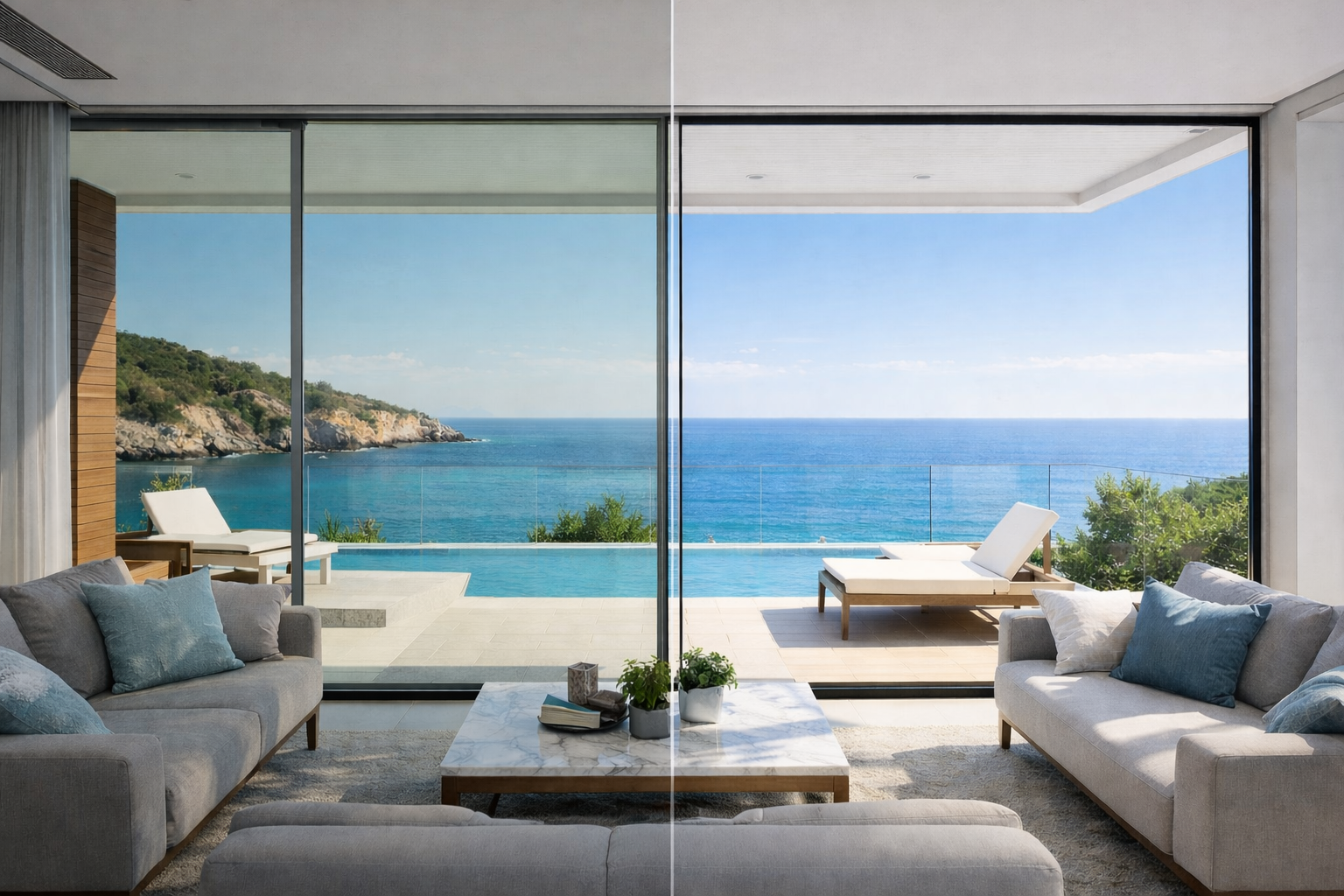
Glass is a crucial material in modern design and construction, but it often comes with a drawback: a greenish tint. This tint is caused by iron content in the raw materials used for standard glass, which can affect its clarity. Low Iron Glass, on the other hand, minimizes iron oxide, offering a crystal-clear material.
In this article, we'll explore what makes low iron glass superior to regular glass. You’ll learn how it works, its advantages, and why it’s perfect for high-end applications like architecture and solar panels. We will also touch on how REACH BUILDING provides top-quality low iron glass solutions to global markets.
Understanding Low Iron Glass
Definition and Properties
Low Iron Glass is a special type of glass that uses high-purity, low-iron silica sand to significantly reduce the iron content. The result is a glass with exceptional clarity and color neutrality. This glass is typically created through the same float glass process used for regular glass but with carefully selected raw materials to ensure minimal iron oxide content.
The properties of Low Iron Glass make it highly sought after for various applications. Below is a table highlighting its key characteristics:
Property | Description |
Clarity | Offers superior transparency with minimal tint, providing clearer views than regular glass. |
Color Neutrality | Eliminates the greenish hue found in standard glass, providing a pure, neutral appearance. |
Light Transmission | Allows up to 91% visible light transmission, enhancing brightness and visibility. |
Thickness Consistency | Maintains its clarity even in thick panels, unlike regular glass that shows more tint. |
Aesthetic Appeal | Ideal for luxury designs, offering a sleek, modern look with minimal color distortion. |
Why Iron Content Matters
Iron oxide is responsible for the greenish tint in regular glass. This tint becomes more pronounced in thicker panes. Low iron glass addresses this by significantly reducing iron content, ensuring clarity across all thicknesses.
Key points:
● Iron Oxide Causes Tint: The green hue comes from iron oxide, especially at the edges.
● Thickness Amplifies Tint: Thicker glass shows more of the green tint.
● Low Iron Glass Stays Clear: Reduces iron to ~0.01%, keeping it clear even in thick panels.
● Uniform Transparency: Both edges and center remain equally transparent.

How Low Iron Glass Is Made
Raw Material Selection
The production of low iron glass begins with the careful selection of raw materials. The silica sand used in making low iron glass has a much lower iron content than that used in regular glass. This raw material is sourced from specially selected suppliers, such as those in Wisconsin, USA, known for their low-iron silica.
Modified Float Glass Process
Low iron glass is made using the float glass process, in which the molten glass is floated on a bed of molten tin. The difference in the manufacturing process lies in the careful control of the raw materials, specifically the reduction of iron content. During melting, high-purity materials are introduced into the glass mix to ensure that the final product maintains its clarity.
Process Step | Description |
Raw Material Selection | Uses low-iron silica sand for enhanced clarity. |
Float Glass Process | Molten glass is floated on molten tin. |
Iron Reduction | High-purity materials ensure minimal iron. |
REACH BUILDING Manufacturing Capabilities
REACH BUILDING, a leader in the glass industry, uses cutting-edge technology and quality control systems, such as Six Sigma, to ensure that every pane of low iron glass meets the highest standards. Their advanced facilities allow them to produce large volumes of low iron glass, delivering consistently high-quality products to clients worldwide.
Key Benefits of Low Iron Glass
Low iron glass offers several unique benefits that make it an ideal choice for various applications. Below is a breakdown of its key advantages:
Benefit | Detail |
Exceptional Transparency | Allows up to 91% of visible light to pass through, perfect for high-clarity applications like facades and aquariums. |
True Color Representation | Ensures accurate and vibrant color display, making it ideal for retail displays and art galleries. |
Clean, Modern Aesthetic | Free from the greenish tint, it offers a sleek, pure appearance for high-end interior designs and luxury projects. |
Solar Performance | Improves solar panel efficiency by allowing more natural light to pass through, enhancing energy capture. |
Versatile Customization | Can be tempered, laminated, coated, or etched to meet specific design or functional needs, including safety and solar control. |
Low Iron Glass vs. Standard Clear Glass
Light Transmission
Low iron glass offers superior light transmission compared to standard glass. While standard glass has a VLT of about 83%, low iron glass provides up to 91% light transmission, making it ideal for spaces that require maximum natural light.
Color Accuracy and Tint
The iron content in regular glass causes a greenish tint, which becomes more noticeable as the thickness of the glass increases. Low iron glass, on the other hand, remains clear regardless of thickness, providing a color-neutral appearance.
Clarity in Thick Panels
Standard glass tends to show a green tint, particularly in thicker panes, while low iron glass remains crystal clear, even in larger and thicker panels. This makes low iron glass ideal for large glass installations where clarity is paramount.
Comparison Factor | Low Iron Glass | Standard Clear Glass |
Light Transmission | Up to 91% visible light transmission, ideal for natural light | 83% light transmission, less optimal for bright spaces |
Color Accuracy and Tint | Color-neutral, no greenish tint | Greenish tint, more pronounced with thickness |
Clarity in Thick Panels | Remains crystal clear, even in thicker panels | Green tint becomes noticeable in thicker glass panels |
Best Use Cases for Each Type
● Standard Glass: Suitable for general use in applications where clarity is not a primary concern, such as in certain types of windows or less visible applications.
● Low Iron Glass: Best used in situations requiring high transparency, accurate color display, and modern aesthetics, such as in luxury retail spaces, high-end office buildings, and solar applications.
Applications of Low Iron Glass
Low iron glass is widely used across various industries due to its superior transparency and aesthetic appeal. Its versatility makes it ideal for multiple applications, from architecture to technology. Here are some of its key uses:
Application | Details |
Architectural and Structural Use | Common in curtain walls, glass facades, and balustrades, offering a modern and sleek look. |
Interior Design and Furniture | Used in shower enclosures, tabletops, and shelving, enhancing interior aesthetics with a clear, clean appearance. |
Commercial Displays and Retail | Perfect for jewelry displays, shop windows, and museum exhibits, providing clear, distortion-free views. |
Technology and Energy | Essential in solar panels, optical instruments, and screen covers, improving performance with enhanced light transmission. |
REACH BUILDING Use Cases
REACH BUILDING, a trusted global provider of architectural glass, has supplied over 1 million m² of low iron glass for projects worldwide. Their solutions are used in luxury buildings, commercial retail spaces, and advanced solar technology systems.
Performance and Coating Compatibility
Safety Enhancements
Low iron glass can be tempered or laminated to meet specific safety requirements. When incorporated into laminated glass systems, it can offer additional strength, durability, and security, all while retaining its high transparency. This makes it an excellent choice for applications that require both safety and aesthetic value.
Low-E and Solar Control Coatings
Low iron glass is an ideal base for Low-E (low emissivity) coatings. These coatings reflect heat back into the room, improving energy efficiency by reducing heating and cooling costs while still allowing natural light to pass through. This makes low iron glass perfect for energy-efficient glazing systems, especially in buildings that prioritize sustainability.
Decorative Finishes
Beyond its clarity, low iron glass is highly customizable. It can be treated with a variety of decorative coatings, such as acid etching, mirroring, or back-painting, to suit different design needs. These finishes offer a wide range of creative possibilities, making low iron glass suitable for both functional and decorative applications.
How to Choose Low Iron Glass for Your Project
Clarity and Visual Goals
Low iron glass is the best choice when transparency and true color reproduction are essential. It’s ideal for projects where aesthetics and light clarity are crucial, such as in art galleries or high-end retail displays.
Cost vs. Value Consideration
While low iron glass is more expensive than standard glass, its enhanced performance and visual appeal justify the investment in applications that require superior transparency.
Application-Based Decision Making
Consider the specific needs of your project. Low iron glass is best suited for luxury residential buildings, commercial showrooms, or solar applications. It is also an excellent choice for high-visibility structures where clarity is key.
Factor | Considerations |
Clarity and Visual Goals | Ideal for projects requiring high transparency and true color. |
Cost vs. Value | Worth the investment for applications needing superior clarity. |
Application | Best for luxury homes, showrooms, or solar panels. |
REACH BUILDING as a Sourcing Partner
With over 20 years of experience, REACH BUILDING is a trusted provider of low iron glass solutions. Their expertise in the glass industry ensures that their products meet the highest standards of quality and performance.

Certifications and Industry Standards
International Compliance
Low iron glass is manufactured to meet several international standards, ensuring that it meets both safety and performance requirements. These certifications, including ANSI, EN, BS, and ASTM, are crucial for guaranteeing that the glass is suitable for a variety of applications, from architectural projects to solar installations.
Processing Requirements
All fabrication steps for low iron glass, such as cutting, beveling, and laminating, must be completed before the glass is tempered. This is essential to preserve its clarity and integrity throughout the production process. By adhering to these processing requirements, manufacturers ensure that the final product maintains its high transparency and meets the necessary safety standards.
REACH BUILDING adheres to strict quality control systems and is certified for CCC, CE, and AS/NZS2208 standards, ensuring that every product meets global quality requirements.
Conclusion
Low iron glass offers exceptional clarity, transparency, and aesthetic appeal, making it the perfect choice for modern applications in architecture, interior design, and technology. Whether for luxury homes, commercial spaces, or solar panels, it delivers high performance. HANGZHOU REACH BUILDING CO., LTD. provides premium low iron glass solutions with consistent quality and innovation, meeting the growing demand for clear, energy-efficient glass worldwide.
FAQ
Q: What is Low Iron Glass?
A: Low Iron Glass is a high-clarity glass made from low-iron silica sand, reducing the iron oxide content. This results in a crystal-clear material with minimal tint, offering enhanced transparency and true color representation compared to regular glass.
Q: Why is Low Iron Glass better than standard glass?
A: Low Iron Glass offers superior clarity by eliminating the greenish tint that is common in standard glass. It allows up to 91% visible light transmission, making it ideal for applications where high transparency and color accuracy are essential.
Q: What are the benefits of using Low Iron Glass in architecture?
A: Low Iron Glass enhances the aesthetic appeal of buildings by offering a clean, color-neutral appearance. It is perfect for architectural applications, including facades, skylights, and glass walls, where transparency and light transmission are key.
Q: How is Low Iron Glass made?
A: Low Iron Glass is produced using high-purity silica sand with low iron content. During the production process, precise melting and quality control ensure the glass retains its clarity, free from the green tint commonly found in regular glass.
Q: Is Low Iron Glass more expensive than standard glass?
A: Yes, Low Iron Glass tends to be more expensive than standard glass due to the use of higher-quality raw materials and a more controlled manufacturing process. However, its benefits in terms of clarity and aesthetics often justify the additional cost.