| Availability: | |
|---|---|
| Quantity: | |
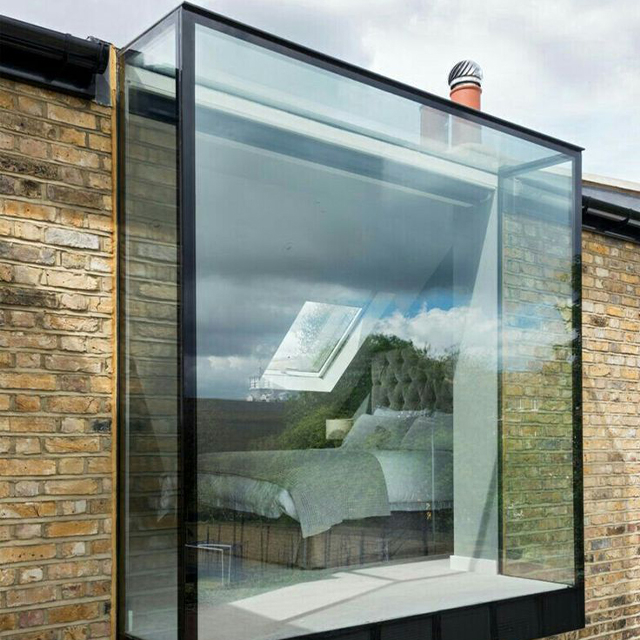
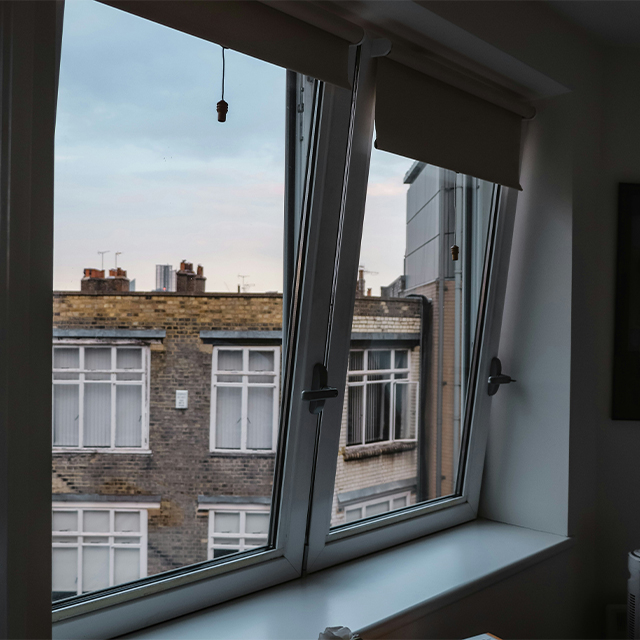
Laminated Insulated Glass, a high-performance glazing by Hangzhou Reach Building, combines laminated glass (with PVB/EVA/SGP interlayer) and insulated glass (air/gas-filled spacer). It offers enhanced safety (shatter resistance), thermal insulation (low U-value), soundproofing (STC ≥50), 99% UV protection, and durability. Available in double/triple-glazed configurations, customizable sizes (150×150mm to 12000×3600mm) and finishes, it suits residential windows, commercial curtain walls, high-security spaces (banks/schools), and noise-sensitive areas (studios).
| Glass Thickness | 3mm to 12mm |
| Spacer Width | 6mm,9mm,12mm |
| PVB layer thickness | 0.38mm, 0.76mm, and 1.52mm |
| Gas Fill | argon, krypton |
| U-Value (Thermal Transmittance) | 1.62-1.77 W/m²K |
| Solar Heat Gain Coefficient (SHGC) | 0.24 to 0.68 |
| Visible light transmittrance | 51%-77% |
| Sound Transmission Class (STC) | ≥50 |
| Maximum Size | 12000mm x 3600mm (Custom sizes available) |
| Minimum Size | 150mm x 150mm(Custom sizes available) |
| Delivery time | 7 days |
The laminated pane contains a PVB, EVA, or SGP interlayer that helps retain glass fragments after breakage, reducing the risk of falling glass and related injuries. With an appropriate glass and interlayer configuration, laminated insulated glass can be used in high-rise buildings, schools, banks, skylights, and other safety-sensitive applications.
The sealed cavity between the glass panes reduces heat transfer between indoor and outdoor environments. Low-E coatings, warm-edge spacers, and argon or krypton gas fills can be added to improve the U-value and overall energy performance of the insulated glass unit.
The combination of a laminated interlayer, multiple glass panes, and a sealed cavity helps reduce sound transmission. Acoustic performance can be further improved with acoustic PVB, asymmetric glass thicknesses, or wider cavities, making the glazing suitable for homes, offices, hotels, hospitals, and buildings near roads or airports.
Suitable laminated glass interlayers can filter up to 99% of ultraviolet radiation, depending on the selected configuration. This helps reduce UV-related fading and deterioration of furniture, flooring, fabrics, merchandise, and artwork.
Laminated insulated glass can be designed to resist impact, wind pressure, and weather exposure. Its actual structural performance depends on the glass type, pane thickness, heat treatment, interlayer, unit size, edge support, and installation system.
Laminated insulated glass is available in double-glazed and triple-glazed configurations. Custom options include clear, low-iron, tinted, reflective, frosted, tempered, heat-strengthened, and Low-E glass, as well as PVB, EVA, SGP, colored, acoustic, and decorative interlayers. Sizes, thicknesses, spacer widths, shapes, and gas fills can be selected according to project requirements.
Windows and Doors: Ideal for homes in areas prone to extreme weather, vandalism, or break-ins due to its impact resistance.
Enhances safety while improving thermal and sound insulation.
Skylights and Roof Glazing: Protects against UV rays, minimizes heat transfer, and provides shatter-resistant glazing for overhead applications.
Office Buildings: Provides energy efficiency, soundproofing, and safety for glass facades, curtain walls, and partitions.
Hotels and Resorts: Enhances thermal and acoustic comfort in guest rooms, lobbies, and conference areas.
Curtain Walls and Facades: Used in modern architectural designs for aesthetic appeal, safety, and energy performance.
Banks and Financial Institutions: Offers enhanced security against forced entry and ballistic impacts.
Embassies and Government Buildings: Laminated insulated glass provides resistance to blast impacts and high security for sensitive areas.
Schools and Hospitals: Ensures safety, soundproofing, and energy efficiency for environments requiring a controlled and secure atmosphere.
Urban Homes and Apartments: Reduces noise pollution from busy streets or airports, making living spaces quieter and more comfortable.
Recording Studios and Theaters: Offers excellent acoustic insulation, creating controlled environments for sound-sensitive applications.
Surface Treatments
Edge Treatment: Flat edge, rounded edge, or beveled edge
There are three main types of edge treatments available. Firstly, the flat edge provides a straightforward, unadorned edge that is suitable for a variety of applications where a simple, clean edge is desired. Secondly, the rounded edge offers a softer, more ergonomic feel, reducing the risk of sharp corners and adding a touch of elegance. Finally, the beveled edge creates an angled cut, which can enhance the visual appeal and give a more refined look to the product.
Sandblasting: Can be sandblasted for decorative finishes
This option allows for the creation of decorative finishes. Through the process of sandblasting, small particles are propelled at high speeds onto the surface, creating a textured and visually interesting appearance. This can be used to add a unique aesthetic to the item, whether for a rustic, industrial, or other design styles.
Brushed Finish: Available for a matte surface texture
For those seeking a matte surface texture, a brushed finish is available. This finish gives the surface a smooth, non - reflective appearance, adding a sense of sophistication and reducing glare. It's popular in settings where a more understated and elegant look is preferred.
Coatings: UV protection, anti-reflective, or other coatings available upon request
A range of coatings can be provided based on specific requirements. UV protection coatings help to shield the product from the harmful effects of ultraviolet rays, which can cause fading, degradation, and damage over time. Anti - reflective coatings are ideal for applications where minimizing reflections is crucial, such as in display screens or optical devices. Additionally, other coatings can be arranged upon request, catering to specific functional or aesthetic needs of the client.
Packaging: used wooden boxes or cases, the cases should be easy loading, unloading and transportation. Each case needs to be packed with stuff of the same thickness and size.
Q: How to choose the right side of laminated insulating glass?
A:
Scenario | Outer Pane(Surface #1) Orientation | Inner Pane (Surface #4) Orientation |
Standard Residential | Clear or Low-E (coated side inward) | Laminated or plain for safety |
High-Heat Areas | Reflective or tinted outward | Laminated for added insulation |
Noise Control | Laminated outward | Laminated or plain inward |
Overhead Applications | Clear or reflective outward | Laminated inward for safety |
Q: How to choose the outer and inner panes of Laminated Insulated Glass?
A: For standard residential use, pick clear/Low-E (coated side inward) as the outer pane and laminated/plain glass as the inner. For high-heat areas, use reflective/tinted outer panes; for noise control, choose laminated outer panes.
Q: Can Laminated Insulated Glass be customized in size and type?
A: Yes. It supports custom sizes (minimum 150×150mm, maximum 12000×3600mm) and types—options include tinted/frosted/Low-E glass, colored/acoustic laminated interlayers, and surface treatments (sandblasting, brushed finish).
Q: What is the delivery time for this product?
A: The standard delivery time is 7 days from order confirmation (subject to customization complexity and order quantity).