Introduction
Have you ever wondered how modern buildings have perfectly smooth glass windows or how your smartphone screen is free of distortion? The answer lies in float glass, a material that’s essential in today’s architecture, technology, and everyday items. In this article, we will explore the various uses of float glass across multiple industries, from construction to electronics. You will learn how this versatile material plays a critical role in shaping our world.
Key Characteristics of Float Glass
Production Process
Float glass is created by pouring molten glass onto a molten tin bath. The glass floats on top of the tin, spreading evenly and forming a smooth, flat sheet. This process ensures that the glass is free from distortion and bubbles, giving it a perfect surface for further processing or use. The glass is then cooled in a controlled environment to remove internal stresses, which further enhances its strength and stability.
Physical Properties
One of the most important characteristics of float glass is its clarity and smooth surface. The glass is highly transparent, which makes it ideal for use in windows, doors, and facades. Additionally, it is known for its uniform thickness, which ensures that it performs consistently in various applications. Its physical properties, including excellent light transmission and resistance to thermal expansion, make it a reliable material in both residential and commercial construction.
Types of Float Glass
| Type | Application | Technical Specifications | Selection Considerations |
| Standard Transparent Float Glass | Windows, doors, glass facades in residential and commercial buildings | High transparency, excellent flatness, lower tensile strength | Suitable for everyday windows, additional treatments required for strength and safety |
| Low-Iron Float Glass | High-end displays, art display cabinets, advertising boards | Extremely high transparency, reduced greenish tint | Ideal for applications with very high transparency requirements, more expensive |
| Tinted Float Glass | Solar glass, window shading, glass roofing | Various shades, superior light transmission and heat insulation | Suitable for high heat transmission or shading needs in buildings |
| Reflective Float Glass | Commercial building facades, energy-efficient windows | High reflectivity, strong UV resistance | Best for reducing heat penetration and improving energy efficiency |
| UV-Resistant Float Glass | Solar panel protective glass, automotive windows | High UV blocking capability, lower light transmittance | Suitable for protecting sensitive materials, reduces UV damage |
Tip: When selecting float glass, consider the required transparency, heat isolation ability, and its impact on building energy efficiency.
Architectural Applications of Float Glass
Residential Uses
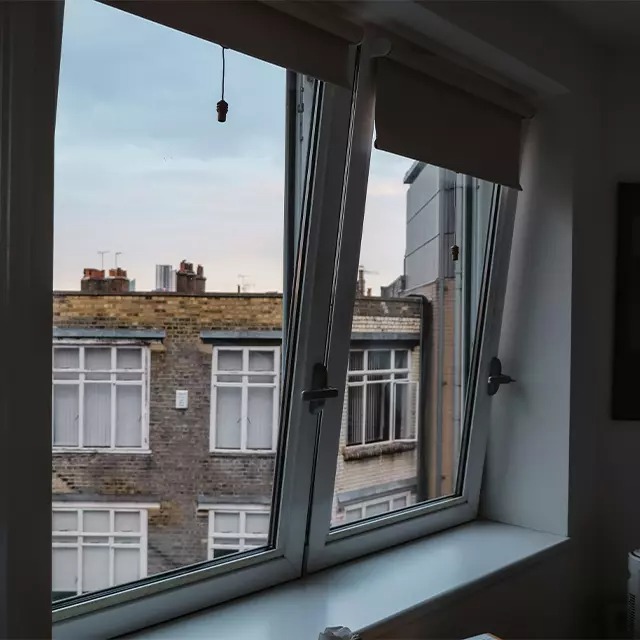
In residential settings, float glass is primarily used in windows, doors, and glass partitions. It provides homeowners with clear views, natural light, and aesthetic appeal. Float glass is also used in skylights and glass railings, creating bright and open spaces that enhance the overall atmosphere of a home.
Commercial Architecture
Float glass plays a significant role in commercial buildings, especially in facades and curtain walls. It provides a sleek, modern look to skyscrapers and office buildings. Its versatility allows for customization, such as adding tinted or reflective coatings to reduce solar heat gain or enhance energy efficiency. It is also used in interior glass walls and office partitions, offering a functional yet stylish solution for modern office designs.
Skylights and Ceiling Glazing
Skylights and ceiling glazing made from float glass bring natural light into a building, reducing the need for artificial lighting. This not only creates a pleasant and healthy environment but also improves energy efficiency. Float glass is often chosen for these applications due to its ability to transmit light effectively while maintaining durability and resistance to environmental factors.

Automotive Applications
Windshields
Windshields made from laminated float glass provide superior protection for drivers and passengers. The two-layer construction with an interlayer of plastic helps prevent shattering upon impact, which is vital in crash safety. Laminated glass also provides additional benefits, such as sound insulation and UV protection. In addition, it offers resistance to environmental factors, reducing glare from sunlight and improving overall visibility. The strength and durability of laminated float glass contribute to its widespread use in automotive windshields.
Side and Rear Windows
Tempered float glass is commonly used for automotive side and rear windows due to its enhanced strength. The tempering process involves heating the glass and then rapidly cooling it, which increases its resistance to impact. When tempered glass breaks, it shatters into small, blunt pieces that minimize the risk of injury, making it safer than regular glass. Additionally, the tempered nature allows the glass to withstand extreme temperature changes, a crucial feature in automotive applications exposed to various weather conditions.
Mirrors and Glass Parts
In vehicles, float glass is a key component in mirrors and other glass parts. Vehicle mirrors made from float glass provide a clear, undistorted reflection, essential for safe driving. The smooth, flat surface ensures that the reflective coatings are evenly applied, improving visibility. Besides mirrors, float glass is also used in sunroofs, rearview mirrors, and other automotive glass components, offering both functional and aesthetic benefits. The durability of float glass ensures that these parts can endure various environmental stressors, including heat, UV exposure, and mechanical impact.
Furniture and Interior Design
Table Tops and Shelves
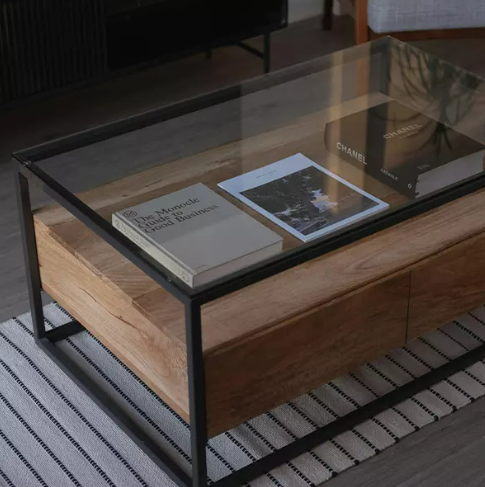
In furniture and interior design, float glass is commonly used for tabletops and shelves due to its sleek appearance and durability. It provides a modern, minimalist look and is easy to clean. Float glass can also be tempered or laminated to increase strength and safety in furniture applications.
Mirrors and Display Cases
Float glass is the foundation of high-quality mirrors used in homes, bathrooms, and commercial spaces. The smooth surface of float glass ensures that the reflective coating is applied evenly, resulting in a clear, distortion-free mirror. It is also used in display cases, allowing for the undistorted presentation of items in retail and exhibition settings.
Glass Partitions and Room Dividers
Float glass is an excellent choice for modern office spaces that require partitions or room dividers. It allows for the creation of open, airy environments while maintaining privacy. Float glass can be frosted, etched, or left clear, depending on the desired level of transparency and aesthetic preference.
Technological and Electronics Applications
Screens and Displays
Float glass is essential in the tech industry, particularly for electronic displays like smartphones, tablets, and TVs. Its flatness ensures high-quality, distortion-free visuals, which are critical for modern devices where pixel precision is crucial. Advanced processes, such as polishing and coating, enhance the durability and clarity of float glass, making it an ideal choice for touchscreens and high-definition displays. Moreover, float glass allows manufacturers to create ultra-thin, high-resolution displays with consistent performance.
Solar Panels
In solar panel production, float glass is used as a transparent protective layer over solar cells. Low-iron float glass is particularly beneficial as it reduces the natural greenish tint found in standard float glass, increasing light transmission. This improvement in transparency allows more sunlight to reach the solar cells, boosting the overall efficiency of solar panels. Additionally, the glass's durability and resistance to UV degradation make it a reliable long-term solution in solar energy applications, helping extend the lifespan of panels.
Appliance Glass
Float glass is widely used in household appliances due to its strength and heat resistance. For example, it’s commonly used in oven doors, refrigerator shelves, and microwave windows, where durability under heat and weight-bearing pressure is essential. Its smooth surface makes it easy to clean, an important feature for kitchen appliances. Moreover, float glass can be treated to be heat-tempered, enhancing its resistance to thermal shock, making it a versatile and reliable material in both home and commercial appliance industries.

Base Material for Processed Glass
Laminated Glass
Float glass serves as the base material for laminated glass, which is commonly used in applications that require additional safety or sound insulation. The laminated glass is made by bonding layers of float glass together with a plastic interlayer, providing strength and preventing shattering.
Tempered Glass
Tempered glass is created by heat-treating float glass to increase its strength. It is commonly used in applications where safety is a concern, such as shower doors, car windows, and glass tabletops. When tempered glass breaks, it shatters into small, blunt pieces that are less likely to cause injury.
Insulated Glass Units (IGUs)
Insulated glass units (IGUs) are commonly used in energy-efficient windows, where float glass forms the outer layers. IGUs are constructed by sealing two or more layers of float glass with a spacer, creating an air or gas-filled gap in between that acts as a thermal insulator. This design reduces heat loss, improving the energy efficiency of buildings. IGUs can also include coatings or tinting for enhanced thermal performance, UV protection, and glare reduction, making them ideal for both residential and commercial applications where energy conservation is a priority.
Environmental and Sustainable Aspects of Float Glass
100% Recyclability
The following table illustrates the 100% recyclability of float glass, emphasizing its environmental benefits and the considerations for its recycling and reuse in various industries.
| Aspect | Specific Performance | Technical Specifications | Application and Considerations |
| Recycling Process | Float glass can be melted down and reformed without losing quality | No degradation in the material’s properties after multiple recycling cycles | Ideal for industries seeking sustainable practices, ensure recycling infrastructure is in place |
| Energy Consumption | Recycling float glass saves energy compared to producing new glass | Recycled float glass requires about 30% less energy to manufacture | Reduces overall energy consumption, contributing to green building standards |
| Post-Recycled Quality | Recycled float glass retains its strength and transparency | Quality remains consistent with newly produced glass | Suitable for use in construction, automotive, and other glass-intensive industries |
Tip: Prioritize using recycled float glass to help reduce environmental impact, particularly in construction projects aiming for sustainability.
Energy-Efficiency in Buildings
Float glass can significantly enhance energy efficiency when treated with advanced coatings, such as Low-E (low emissivity) coatings. These coatings reflect infrared heat while allowing visible light to pass through, helping regulate indoor temperatures. Low-E glass is particularly useful in cold climates, as it reduces heat loss, and in hot climates, it minimizes heat gain. Additionally, float glass can be combined with other materials to create insulating glass units (IGUs), further improving thermal performance and reducing HVAC energy consumption, which helps lower overall energy bills.
Contribution to Green Building Practices
Float glass plays an essential role in green building practices, as it is a sustainable material that contributes to energy-efficient designs. By using float glass in windows and facades, buildings can maximize natural light and reduce the need for artificial lighting and heating, resulting in lower energy costs and a smaller carbon footprint.
Conclusion
Float glass is an essential material in various industries such as construction, automotive, furniture, and electronics. Its smooth, transparent surface makes it ideal for applications like windows, mirrors, and display cases. It also serves as the base for products like laminated and tempered glass, crucial for safety and energy efficiency. As demand for sustainable materials increases, float glass will continue to play a key role in modern architecture and technology. HANGZHOU REACH BUILDING CO., LTD. provides high-quality float glass products that enhance energy efficiency and sustainability. Their solutions support the construction of modern, eco-friendly buildings with superior performance. As technology advances, float glass remains central to designing innovative, energy-efficient structures.
FAQ
Q: What is float glass used for?
A: Float glass is widely used in construction for windows, doors, and facades. It also serves in automotive applications like windshields, as well as in furniture, mirrors, and displays due to its smooth surface and transparency.
Q: Why is float glass important in modern architecture?
A: Float glass is essential for its clarity, strength, and uniform thickness, making it ideal for creating sleek, energy-efficient building facades and interiors. It allows natural light to enter while maintaining durability and safety.
Q: How is float glass made?
A: Float glass is made by pouring molten glass onto a bath of molten tin, where it floats and spreads out evenly, forming a smooth, flat surface. This method ensures the glass is free from distortion and bubbles.
Q: Can float glass be used in solar panels?
A: Yes, float glass is used as the protective cover for solar panels. Low-iron float glass is preferred as it allows more sunlight to pass through, improving the panel’s efficiency.
Q: What are the advantages of using float glass in automotive applications?
A: Float glass in automotive applications, such as windshields and side windows, is valued for its strength, safety, and ability to prevent shattering. Laminated and tempered float glass enhances vehicle safety by minimizing injuries during accidents.
Q: How does float glass compare to tempered glass?
A: While float glass is the raw form used in windows and displays, tempered glass is heat-treated float glass that is stronger and safer, ideal for applications where durability and impact resistance are crucial.