Introduction
Float Glass might seem like just another type of glass, but it’s far more than that. It is the foundation for many essential products, from windows in buildings to mirrors in homes. Manufactured by floating molten glass on a bed of molten tin, it ensures a smooth, uniform, and distortion-free surface that is both aesthetically pleasing and highly functional. In this article, we’ll explore the innovative process behind float glass, how it’s made, and why it plays such an important role in industries ranging from architecture to electronics. You’ll also discover its numerous applications and key advantages that make it a critical material for modern construction and technology.
What Is Float Glass?
Definition and Core Characteristics
Float glass is a high-quality, flat glass formed by floating molten glass on molten tin. This method ensures that the glass is uniformly thick and smooth, with no distortion, making it ideal for applications that require high transparency and strength. It’s widely used in the construction of windows, mirrors, and as a base material for other glass types.
Why Is It Called Float Glass?
The term "float" comes from the unique process used in its production. In this method, molten glass is poured onto molten tin, where it floats due to the tin's high density compared to the glass. This floating action allows the glass to spread evenly and form a smooth, uniform sheet, making it a more efficient and cost-effective method than previous glass-making processes.
The Core Properties of Float Glass
Float glass is known for its excellent optical clarity, minimal distortion, and uniform thickness. Its smooth surfaces provide high light transmission, making it a popular choice for use in windows and mirrors. Additionally, the density and durability of float glass make it a stronger alternative to older forms of flat glass, such as drawn or plate glass.
The Manufacturing Process of Float Glass
Raw Materials and Initial Melting
The production of float glass starts with a mixture of raw materials such as silica sand, soda ash, limestone, and dolomite. Recycled glass, known as cullet, is often added to the batch to reduce energy consumption and improve the overall efficiency of the melting process. These materials are melted in a furnace at temperatures exceeding 1,500°C to form molten glass.
The Tin Bath Process
Once the raw materials are melted, the molten glass is poured onto a bath of molten tin. Because the glass is less dense than the tin, it floats on top, spreading out evenly across the surface. This process ensures that the glass maintains a uniform thickness, with the surface tension and gravity helping to create smooth, flat surfaces.
Cooling and Annealing
After the glass has been floated on the tin bath, it is gradually cooled in a long, temperature-controlled oven called an annealing lehr. This slow cooling process relieves any internal stresses and ensures that the glass does not become brittle or warped. The controlled cooling also ensures that the glass maintains its high quality and strength.

Key Advantages of Float Glass
Exceptional Clarity and Transparency
Float glass has a high light transmission rate, typically ranging from 75% to 92%. This transparency makes it perfect for use in windows and mirrors, where clarity and visibility are crucial. Its minimal distortion ensures that you get a clear, undistorted view, whether you’re looking out of a window or into a mirror.
Consistent Thickness and Smooth Surfaces
One of the main benefits of float glass is its consistent thickness, which is maintained throughout the production process. The uniform surface finish, both on the top and bottom, is crucial for applications like windows and furniture, where smooth, flawless surfaces are needed. This precision in manufacturing also allows float glass to be used as a base for other specialized glass products.
Durability and Strength
Float glass is stronger than older types of glass, such as plate or drawn glass. Its smooth, uniform surface and precise thickness contribute to its durability. Float glass is also resistant to breakage and can withstand the rigors of everyday use. When treated or processed further, like in the case of tempered or laminated glass, its strength and safety qualities are further enhanced.
Applications of Float Glass
Architecture and Construction
In architecture, float glass is the base material behind most glazing systems, from simple windows to curtain walls and insulated glass units. Designers choose thickness and pane size based on wind load, span, and deflection limits, then pair it with tempering or lamination when safety rules apply (needs verification). Daylight performance is guided by visible light transmittance (VLT) targets, while comfort and energy are tuned through Low-E coatings, solar control, and double/triple glazing. For spec writing, define U-value, SHGC, and acoustic targets upfront, then match them to climate and façade orientation.
Automotive Industry
The automotive industry also extensively uses float glass, particularly in the manufacturing of car windshields, side windows, and rear windows. Float glass provides the clarity and strength necessary for these applications, ensuring that drivers and passengers have clear views while maintaining safety. Windshields, for instance, are often made from laminated float glass, which provides additional safety by holding together when broken.
Interior Design and Furniture
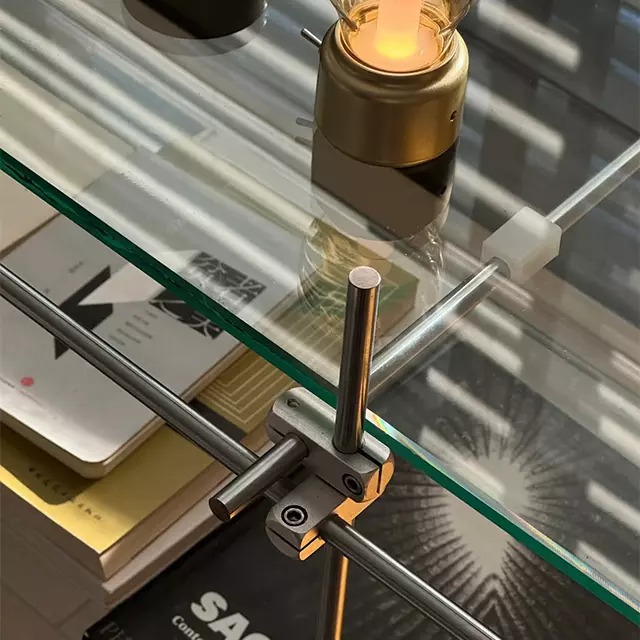
In interior design, float glass is used for a variety of purposes, such as tabletops, shelves, mirrors, and display cabinets. Its smooth, clear surfaces are ideal for creating sleek, modern furniture and decor. The versatility of float glass also allows it to be processed further, such as through frosted or etched treatments, to achieve unique designs and privacy features.
Types of Float Glass and Further Processing
Regular vs Low-Iron Float Glass
| Feature | Regular Float Glass | Low-Iron Float Glass |
| Iron Content | Higher, resulting in a slight greenish tint | Reduced iron content, minimizing the greenish tint |
| Optical Performance | Lower light transmittance, noticeable color distortion | Higher transparency, virtually no color distortion |
| Application Areas | Used for general construction, automotive glass, etc. | Ideal for high-end architecture, display cases, solar panels |
| Manufacturing Process | Standard float glass manufacturing process | Requires more precise control to ensure low iron content |
| Light Transmittance | 75%-85% | 90%-92% |
| Suitable for | General residential and commercial buildings | Specialized applications like architectural facades and display screens |
| Cost | Lower, relatively cheaper to produce | Higher due to material and process precision |
Tip: Low-iron float glass offers superior optical clarity and color accuracy, making it ideal for high-end building projects and display cases that require maximum transparency.
Tempered and Laminated Glass
This table outlines the distinct physical properties, applications, and environments in which float glass undergoes heat treatment or lamination, emphasizing their differences.
| Feature | Tempered Glass | Laminated Glass |
| Manufacturing Process | Glass is heated and rapidly cooled to increase strength | Two or more layers of glass bonded together with a plastic interlayer |
| Strength | 4-5 times stronger than regular glass, high impact resistance | Higher resistance to penetration, remains intact when broken |
| Breakage Characteristics | Breaks into blunt, small fragments, reducing injury risks | Fragments are held together by the interlayer, preventing scattering |
| Common Applications | Automotive windows, shower doors, glass tabletops | Automotive windshields, building safety glass, solar panels |
| Safety | High, avoids sharp fragments causing injury | High, prevents glass fragments from scattering, increasing safety |
| Transparency | Generally maintains good transparency | Slightly less transparent due to the plastic layer |
| Durability | High strength, resistant to heat and impact | UV protection, soundproofing, enhances building insulation |
Tip: Laminated glass provides better safety and sound insulation, making it ideal for places requiring extra security, such as banks and schools, while tempered glass is suitable for everyday high-strength environments like automotive and building windows.
Coated and Insulated Float Glass
Float glass can be coated with various materials, including low-emissivity (Low-E) coatings that improve energy efficiency. These coatings help to reduce the amount of heat that passes through the glass, making it ideal for use in energy-efficient buildings. Float glass can also be used in insulated glass units, which consist of two or more layers of glass separated by an air gap, further improving thermal insulation.
Float Glass in Modern Technology
Role in Solar Panels and Electronics
Float glass plays a critical role in the production of solar panels and electronics. For solar panels, high-transparency float glass is used as the cover glass, allowing maximum sunlight penetration while protecting the underlying solar cells. In electronics, float glass is used as a substrate for LCD screens, touchscreens, and other display technologies, where its flatness and transparency are essential for optimal performance.
Float Glass in Smart Glass Applications
Float glass is also a key component in the growing field of smart glass technologies. Smart glass can change its properties in response to external stimuli such as light or heat. For instance, electrochromic glass, which darkens when an electric charge is applied, is used in windows and skylights to reduce glare and improve energy efficiency. Float glass serves as the base material for these advanced glass technologies.
Innovations in Float Glass Technology
Recent advancements in float glass production have led to innovations such as ultra-thin glass and eco-friendly glass made from recycled materials. These innovations are paving the way for new applications in architecture, automotive, and technology, where the need for lightweight, energy-efficient, and sustainable materials is increasing. As the demand for high-performance float glass continues to rise, manufacturers are exploring new ways to improve its production and processing.

Sustainability of Float Glass
Recyclability
Float glass fits a true closed-loop material cycle. Manufacturers re-use cullet in the batch, often at meaningful ratios (needs verification), while keeping optical quality stable through strict sorting. Clean cullet matters most, so they separate by color, remove ceramics and metals, and control moisture. For B2B buyers, ask suppliers how they qualify cullet purity, and whether they run in-line defect scanning before cutting. Also check if they offer take-back programs for offcuts, which can reduce landfill and stabilize long-term material costs.
Energy Efficiency
Energy savings come from both chemistry and furnace design. Cullet melts faster than virgin raw mix, so it can reduce furnace energy per ton (needs verification). Plants often pair high-cullet batching with regenerative burners, optimized combustion control, and heat recovery from exhaust to preheat combustion air. For building projects, energy efficiency continues after production: float glass becomes the base for Low-E coatings and insulated glass units, which can cut HVAC loads in operation (needs verification). For procurement, request thermal specs like U-value and SHGC targets early.
Environmental Impact
Lower impact is driven by circular inputs and efficient continuous production. Using more cullet reduces virgin mining demand and can lower process emissions (needs verification). Many suppliers report impacts through EPDs and life-cycle methods aligned with ISO 14040/14044 principles, which helps B2B teams compare options consistently. For “greener building” outcomes, consider whole-life carbon: coated float glass and IGUs can reduce operational emissions by improving insulation and solar control (needs verification). In tenders, ask for EPD availability, recycled content disclosure, and factory energy mix statements.
Conclusion
Float glass is a crucial material known for its clarity, durability, and sustainability. It plays a vital role in industries like architecture, automotive, and technology, offering unmatched versatility. Its ability to meet high-performance standards, especially in energy-efficient designs, makes it indispensable for future innovations. Companies like HANGZHOU REACH BUILDING CO.,LTD. provide float glass products that offer exceptional strength and transparency, ensuring value in modern construction and technology solutions. As demand for sustainable materials grows, float glass will remain at the forefront of high-performance glass solutions.
FAQ
Q: What is Float Glass?
A: Float glass is a high-quality, flat glass produced by floating molten glass on molten tin, ensuring a smooth, uniform, and distortion-free surface. It is commonly used in windows, mirrors, and furniture due to its clarity and strength.
Q: How is Float Glass made?
A: Float glass is created by pouring molten glass onto molten tin, where it floats and spreads evenly. It is then slowly cooled to relieve internal stresses, ensuring a smooth and uniform thickness.
Q: What are the benefits of using Float Glass?
A: Float glass offers exceptional clarity, minimal distortion, and uniform thickness. It is durable, versatile, and energy-efficient, making it ideal for architecture, automotive applications, and electronics.
Q: Why is Float Glass preferred in construction?
A: Float glass is preferred for its strength, optical clarity, and ability to transmit natural light. It provides both aesthetic appeal and functional benefits like thermal insulation, making it an essential material in modern architecture.
Q: How does Float Glass differ from regular glass?
A: Float glass is made using a more precise and cost-effective method, providing smoother surfaces and greater uniformity compared to older glass types. It also offers superior transparency and strength, making it more reliable for various applications.
Q: Is Float Glass environmentally friendly?
A: Yes, float glass is 100% recyclable. Recycled glass, known as cullet, is re-melted and reformed into new glass products, reducing the need for raw materials and minimizing energy consumption.