Introduction
Glass plays a crucial role in modern architecture and design. But what makes float glass stand out from ordinary glass? In this article, we’ll explore the key differences between float glass and normal glass. We’ll dive into manufacturing processes, clarity, durability, and ideal uses. By the end, you'll understand why float glass is the industry standard for high-performance needs.
Manufacturing Process: How Float Glass and Normal Glass Are Made
Float Glass Production
Float glass is made using the float process, where molten glass is poured onto a bed of molten tin. The glass spreads out across the tin, forming a perfectly flat and smooth sheet. This method allows for uniform thickness and consistent quality. The glass is then cooled gradually and cut into large sheets. This process ensures that the glass remains free from distortion and imperfections, making it ideal for applications requiring high optical clarity.
Normal Glass Production
Ordinary glass, also known as sheet or plate glass, is made using older methods like drawing or rolling molten glass. The molten glass is drawn through rollers or allowed to cool in the air, which can lead to variations in thickness and surface irregularities. These methods often result in imperfections such as ripples, bubbles, and inconsistencies in the glass’s surface. While suitable for less demanding applications, normal glass cannot achieve the same precision as float glass.
Comparison of Processes
The main difference between float and normal glass lies in the production process. Float glass’s manufacturing process ensures perfectly smooth, flat surfaces with uniform thickness, while normal glass, made using older techniques, often features imperfections such as ripples and thickness variations. The float process is automated and highly efficient, resulting in a high-quality product, whereas ordinary glass methods are more labor-intensive and produce glass with varying degrees of quality.
Surface Quality and Optical Clarity: A Visual Comparison
Float Glass Clarity
| Characteristic | Float Glass |
| Optical Clarity | Extremely high transparency, allowing light to pass through without interference, ideal for applications requiring high transparency |
| Surface Smoothness | Very smooth surface, free from ripples or imperfections, ensuring light passes through seamlessly |
| Optical Distortion | Minimal optical distortion, avoiding the visual warping and ripples commonly found in normal glass |
| Reflection Quality | Provides true, accurate reflections without deformation or distortion |
| Application Areas | Suitable for windows, mirrors, display cases, and other places where high transparency and clarity are required |
Tip: Choosing float glass ensures high precision visual effects, making it ideal for high-end applications that require clarity and distortion-free transparency.
Normal Glass Quality
Normal glass typically exhibits imperfections such as visible bubbles, ripples, or a greenish tint, particularly at the edges due to iron content. These surface defects can cause slight warping in reflections, making it less ideal for applications that require high optical clarity. The presence of imperfections often affects the visual appeal and overall functionality of normal glass, especially in settings where precision and transparency are paramount.
Why Clarity Matters
Clarity is crucial when it comes to glass used in environments where high visibility is necessary, such as in mirrors or windows. The superior optical clarity of float glass ensures that reflections are accurate and undistorted, which is essential for design aesthetics and functionality in modern architecture. For applications requiring true, clear views, such as automotive glass or high-end displays, float glass is the preferred choice due to its ability to deliver minimal distortion and maximum transparency.

Durability and Strength: Which Glass Lasts Longer?
Float Glass Durability
Float glass is known for its durability and strength. Due to its smooth surface and uniform thickness, float glass is resistant to environmental factors such as rain, UV exposure, and temperature fluctuations. This resilience ensures that float glass retains its clarity and strength over time without degrading or becoming foggy. Furthermore, float glass is less likely to suffer from warping or cracking compared to its ordinary counterpart, making it ideal for long-lasting applications in construction and automotive industries.
Normal Glass Durability
Normal glass is more susceptible to aging and fogging, especially when exposed to harsh environmental conditions. Over time, ordinary glass can become prone to scratches, cracks, and other forms of wear, reducing its overall strength and aesthetic quality. Unlike float glass, which maintains its clarity and durability, normal glass may degrade more quickly, especially in outdoor or high-traffic environments.
Durability Comparison
| Characteristic | Float Glass | Normal Glass |
| Resistance to Elements | High resistance to UV, rain, and environmental exposure, maintaining performance over time | Prone to aging, fogging, and damage from environmental factors |
| Strength Under Stress | Strong, can withstand stress without breaking or deforming | Weaker, prone to cracking or breaking under pressure |
| Resistance to Wear | Durable, resistant to scratching and surface damage, maintaining appearance and functionality | Easily scratched and worn down, leading to aesthetic and functional degradation |
| Aging and Longevity | Slow aging, retains clarity and strength over time | Quick aging, prone to discoloration and fogging with prolonged exposure |
| Ideal Applications | High-performance industries like construction, automotive, and high-traffic environments | Low-budget projects or areas with minimal performance requirements |
Tip: For projects where durability and longevity are crucial, float glass is the preferred choice due to its superior resistance to wear, tear, and environmental factors.
Applications and Uses: Where Are Float and Normal Glass Used?
Float Glass Applications
Float glass is used extensively in modern construction, automotive, and architectural industries. It is the standard material for windows, doors, facades, and mirrors due to its smooth surface and high optical clarity. Additionally, float glass is a versatile base material for further processing into specialized glass types like tempered glass, laminated glass, and coated glass. These processed types of glass can be used in everything from safety applications to decorative features, showcasing float glass's adaptability.
Ordinary Glass Applications
Ordinary glass is typically used in low-budget or aesthetic-focused applications, such as in picture frames or heritage buildings where precision and clarity are not as crucial. It is also found in greenhouses, where minor imperfections in the glass surface are less of a concern. While it can be used in some decorative and architectural applications, normal glass is generally not suitable for high-performance needs like modern building facades or vehicle windows.
Why Choose Float Glass for Modern Projects?
Float glass is ideal for modern projects that require high performance, optical clarity, and durability. Whether it’s used in windows, automotive glass, or architectural facades, float glass offers consistent quality and versatility. Its ability to be further processed into tougher, laminated, or coated varieties makes it suitable for a wide range of applications, ensuring that it meets the diverse needs of contemporary construction and design.
Aesthetic Differences: What Do They Look Like?
Float Glass Appearance
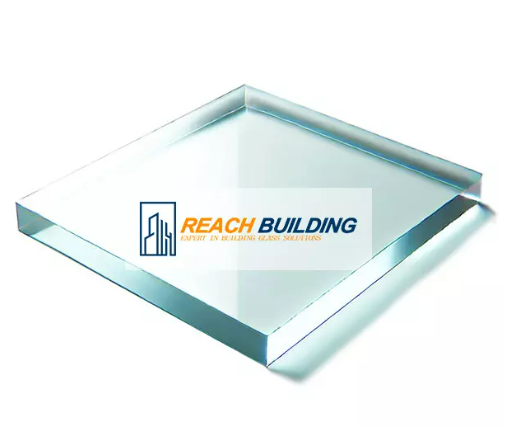
Float glass is clear and transparent, with minimal tint or distortion, giving it a sleek, modern appearance. The edges of float glass may appear slightly white or gray, but they are clean and polished, contributing to a refined, uniform look. Its smooth, distortion-free surface makes it ideal for use in products where visual appeal is critical, such as high-end furniture, mirrors, and display cases.
Ordinary Glass Appearance
Ordinary glass often exhibits a noticeable greenish tint, especially at the edges, due to the presence of iron impurities. This can affect the overall aesthetic, especially in large glass panels where the tint may be more noticeable. Additionally, ordinary glass may have visible imperfections such as bubbles, ripples, and surface scratches, which can detract from its visual appeal. These imperfections are more pronounced compared to the smooth, uniform surface of float glass.
Aesthetic Impact on Design
The aesthetic qualities of float glass—its clarity, smooth surface, and transparent appearance—make it the preferred choice for modern design applications. Its ability to maintain a clean, sleek look without the visible defects found in normal glass makes it ideal for contemporary architectural projects and high-end interiors. In contrast, ordinary glass is more suited to applications where visual imperfections are acceptable or even desirable for a specific aesthetic.

Thickness and Uniformity: Precision in Glass Production
Float Glass Uniformity
One of the key advantages of float glass is its uniform thickness. The float process ensures that each sheet of glass is consistent in thickness, which is essential for modern construction and automotive industries where precision is crucial. Float glass can be produced in a wide range of thicknesses, from very thin sheets to thicker panels, while maintaining uniformity across the entire surface.
Normal Glass Thickness
In contrast, normal glass often suffers from inconsistencies in thickness, particularly at the edges. These variations can lead to issues in applications that require precise measurements or structural integrity. Surface irregularities, such as waves and bubbles, also contribute to the uneven thickness, making normal glass less reliable than float glass for high-performance uses.
Uniformity’s Importance in Modern Applications
Uniformity in glass thickness is vital for applications that require precision, such as in high-rise building facades, automotive windows, and specialized glass products. Float glass’s consistent thickness ensures that it can be processed and used in a variety of ways without compromising quality or performance. Normal glass’s lack of uniformity makes it less suitable for these high-demand applications, where precision is a critical factor.
Cost and Accessibility: Which Glass Is More Affordable?
Float Glass Cost-Effectiveness
Float glass is cost-effective due to its efficient production process. The float process allows for large-scale production, making float glass an affordable option for projects that require large quantities of glass. It is widely available and accessible, making it the go-to choice for modern construction and design. The cost of float glass is also lower compared to other types of specialized glass, making it a popular option in both residential and commercial sectors.
Ordinary Glass Cost
Ordinary glass, while cheaper upfront, often becomes more expensive in the long term due to its limited durability and lower resistance to wear and tear. In projects where clarity and performance are secondary, it can be an economical choice. However, its tendency to degrade over time—through fogging, scratches, and other environmental factors—makes it less suitable for high-performance applications. In many cases, the higher maintenance costs and need for replacement make ordinary glass less cost-effective in the long run.
Value Comparison
Despite the higher initial cost, float glass offers greater long-term value due to its superior optical clarity, durability, and versatility in various applications. Its ability to maintain performance and aesthetic appeal over time, without significant degradation, makes it a more cost-effective option for high-traffic or high-performance environments. Furthermore, the versatility of float glass—being used as a base for coated, laminated, or tempered glass—adds to its value by enabling further customization without compromising on quality.
Conclusion
Float glass is widely regarded as the preferred choice for modern construction, automotive, and design applications. Its smooth, distortion-free surface, along with its durability, makes it the ideal material for high-performance needs. While ordinary glass can serve in lower-demand settings, float glass offers superior clarity and longevity, making it a better investment in the long run. For those seeking quality and lasting performance, HANGZHOU REACH BUILDING CO.,LTD. offers exceptional float glass products that meet the highest standards of transparency and durability, ensuring lasting value for any project.
FAQ
Q: What is the difference between float glass and normal glass?
A: Float glass is manufactured using the float process, resulting in a smooth, distortion-free surface. Normal glass, made using older methods, often has imperfections like bubbles or ripples, making float glass more suitable for high-precision applications.
Q: Why is float glass preferred for windows and mirrors?
A: Float glass offers superior clarity and minimal distortion, providing accurate reflections. Its smooth surface ensures high transparency, making it the ideal choice for windows, mirrors, and other transparent applications.
Q: Can float glass be used for construction and automotive applications?
A: Yes, float glass is commonly used in modern construction, automotive windows, and facades due to its durability, optical clarity, and resistance to environmental factors such as UV exposure and weather conditions.
Q: How does the cost of float glass compare to normal glass?
A: Float glass may have a higher initial cost due to its superior quality, but its durability, longevity, and versatility make it more cost-effective in the long run, especially for high-performance applications.