Introduction
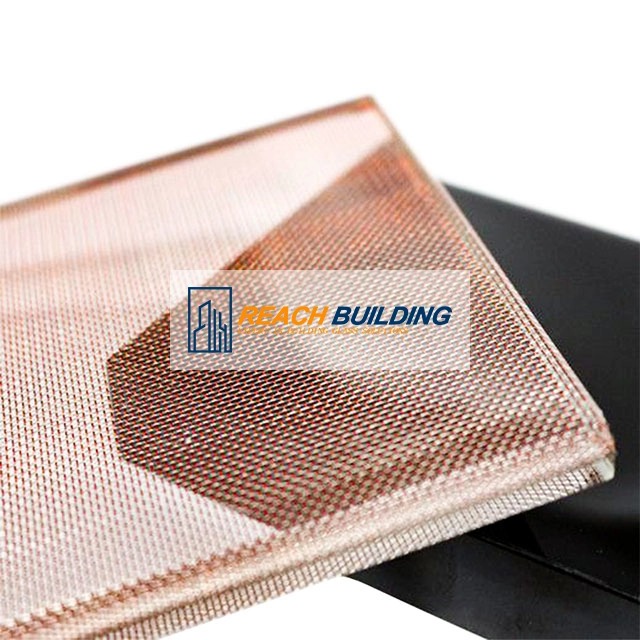
In the world of commercial construction, safety is not just a checkbox; it is a life-saving necessity. For decades, wire glass has stood as a silent guardian in stairwells, hallways, and entry points. While modern ceramic alternatives exist, many architects and facility managers still turn to this classic material. Its recognizable diamond mesh is more than a design choice—it is a functional engineered solution for fire containment.
Why does it remain a staple? It comes down to cost-effectiveness, reliable thermal shock resistance, and a proven track record. When a fire breaks out, glass usually shatters. This creates a dangerous opening for smoke and flames to spread. Fire rated wire glass behaves differently. The embedded metal mesh holds the shards together even after the glass cracks under extreme heat. In this guide, we explore why this traditional safety glass is still a dominant force in the commercial fire door market.
The Engineering Logic Behind Wire Glass in Fire Doors
At its core, wire glass is a composite material. It combines the transparency of glass with the structural reinforcement of a steel wire grid. It is designed to solve a specific problem: maintaining a physical barrier during a fire. Regular tempered glass may explode when hit by a cold fire hose stream while it is hot. Wire glass stays in its frame.
This "fragment retention" is its greatest asset. In commercial settings like schools or hospitals, keeping a fire contained for 20, 45, or 90 minutes is the difference between a safe evacuation and a catastrophe. It provides a visual warning as well. People can see the fire through the glass without the glass falling out and exposing them to heat. It is a simple, mechanical solution that does not rely on complex chemical coatings to work.

Comparing Fire Rated Solutions: Why Mesh Wins on Value
When choosing glazing for fire doors, budget is always a factor. High-end ceramic glass offers great clarity but comes at a premium price. Polished wire glass offers a balanced middle ground. It provides the necessary fire ratings without the astronomical costs associated with newer tech. For large-scale projects like office complexes, these savings add up quickly.
Cost vs. Performance Table
| Feature | Wire Glass | Ceramic Glass | Tempered Glass |
| Fire Rating | 20–90 Minutes | 20–180 Minutes | None (usually) |
| Thermal Shock | Excellent | Superior | Poor |
| Price Point | Budget-Friendly | Expensive | Low |
| Aesthetics | Industrial/Classic | High Clarity | High Clarity |
They are also incredibly easy to source. Most glass shops can cut fire rated wire glass to size on-site. Ceramics often require factory-direct ordering, which delays construction. For a project manager, it is the reliable, "off-the-shelf" safety solution that keeps the timeline moving.
Enhancing Safety with Laminated and Impact Resistant Variants
One historical criticism of this glass was its lack of impact safety. The wire mesh, while great for fire, could actually cause worse injuries if someone fell through it. However, modern manufacturing has solved this. Today, we see laminated wire glass becoming the standard for high-traffic commercial doors.
Meeting Modern Building Codes
By adding a thin layer of resin or film, manufacturers create impact resistant wire glass. It now meets CPSC Cat I and II safety standards. This means it can be used in "hazardous locations" like gym doors or hallway doors where students or workers might accidentally bump into it. It maintains its fire integrity while protecting people from physical cuts.
Benefits of the Laminated Approach
Sound Dampening: The plastic interlayer reduces noise transfer between rooms.
UV Protection: It blocks harmful rays that fade interior furniture.
Safety Compliance: It bridges the gap between old-school fire protection and modern injury prevention.
The Aesthetic Appeal of Decorative and Polished Finishes
We no longer live in an era where safety glass has to look "industrial." Architects are finding new ways to use decorative wire glass to create a retro or high-tech vibe. The grid pattern can be used as a design element in modern lofts or "tech-style" office spaces.
Achieving Visual Clarity
The polished wire glass variety is a game-changer. Both sides of the glass are ground and polished to a high sheen. This removes the distortion common in older, "miswired" glass. You get a clear view through the door, which is vital for security personnel monitoring a building. It looks clean, professional, and intentional rather than just utilitarian.
Interior Design Trends
Many designers use the wire pattern to play with light and shadow. In a commercial fire door, it adds texture. It signals to the occupants that they are in a safe, well-built environment. When you combine the fire rated property with a decorative finish, you satisfy both the building inspector and the interior designer.
Thermal Shock Resistance: The Critical Fire-Hose Stream Test
This is where wire glass truly shines. During a fire, the temperature of a door can exceed 1,000 degrees Fahrenheit. When firefighters arrive, they spray cold water on the door. This sudden temperature change (thermal shock) causes most materials to shatter.
How It Works
The wire mesh acts as a heat sink. It helps distribute some of the heat, but more importantly, it provides mechanical grip. Even when the glass surface "checks" or develops thousands of tiny cracks, the wire holds the pieces in place.
The Barrier Effect
Smoke Blocking: It keeps toxic fumes from leaking into "clean" hallways.
Oxygen Starvation: By staying in the frame, it prevents fresh oxygen from rushing into the fire room and feeding the flames.
Radiation Shielding: While it doesn't block all heat, it significantly reduces the amount of radiant heat that could ignite objects on the non-fire side of the door.

Durability in High-Traffic Commercial Environments
Commercial doors take a beating. They are kicked open, slammed shut, and hit by carts every day. Wire glass is surprisingly resilient. Because it is a thick, heavy product, it resists the vibration and "flexing" that can crack thinner glass types.
Longevity and Maintenance
It does not yellow over time like some fire-rated films. It is easy to clean with standard commercial glass cleaners. Because the wire is embedded inside, it cannot be scratched or tampered with. It is a "set it and forget it" product for building owners.
Replacement Cycles
If a piece of polished wire glass does crack, it usually remains safe until it can be replaced. It doesn't fall out in dangerous shards, which reduces the liability for the building owner. You can schedule a repair at your convenience without leaving a gaping hole in your fire barrier.
Understanding Fire Ratings and Compliance
Not all wire glass is created equal. To be used in a commercial fire door, it must carry a permanent label (etching) that proves its rating. This is the only way a fire marshal can verify the building is up to code.
Standard Ratings for Fire Rated Wire
Most wire glass is rated for 45 minutes in doors. Some specialized versions can go up to 90 minutes. It is important to match the glass rating to the door frame's rating.
20-Minute Doors: Usually for smoke control in office corridors.
45-Minute Doors: The "workhorse" of the industry, used in most stairwells.
90-Minute Doors: Used in high-risk areas like boiler rooms or data centers.
Always check that the wire glass you choose is listed by a recognized laboratory like UL (Underwriters Laboratories). This ensures that the product has been tested in a real furnace to simulate actual fire conditions.
Conclusion
Wire glass remains a top choice for commercial fire doors because it offers a unique combination of reliability, cost-efficiency, and versatility. While newer materials have entered the market, the simplicity of the wire mesh continues to provide unmatched security during a fire. By choosing polished and laminated options, building owners can meet modern safety codes without sacrificing aesthetics. It is a time-tested solution that proves some designs are classics for a reason.
FAQ
Q: Can I use regular wire glass in a school door?A: Only if it is impact resistant. Standard wire glass must be laminated or have a safety film to meet the impact codes required in schools and public buildings.
Q: Is wire glass more expensive than tempered glass?A: Yes, because of the specialized manufacturing process and the fire rated certification. However, it is significantly cheaper than fire-rated ceramics.
Q: Does the wire mesh make the glass stronger?A: Not against breaking. It actually makes the glass slightly weaker than solid glass. Its purpose is not to prevent breaking, but to hold the pieces together after it breaks.
Our Manufacturing Strength and Commitment
Our factory is a hub of innovation, where we combine years of technical expertise with the latest machinery to produce premium wire glass solutions. We don't just supply products; we provide peace of mind. Our facility is fully equipped to handle large-scale commercial orders, offering everything from polished finishes to impact resistant laminated variants. We maintain strict quality control at every stage, ensuring that every sheet leaving our floor meets the rigorous fire rated standards our clients expect. Our strength lies in our ability to deliver reliable, durable, and cost-effective glazing that architects and builders can trust for their most critical projects. We are committed to excellence and continue to invest in our people and technology to remain a leader in the global glass industry.