Introduction
Navigating the world of safety glazing often feels like walking through a maze of acronyms and technical jargon. If you work in construction or architecture, you know that wire glass has been a staple in fire safety for decades. However, the rules surrounding its use have shifted dramatically. Modern building codes, specifically from the International Building Code (IBC) and the National Fire Protection Association (NFPA), now demand more than just fire resistance; they require human impact safety.
This expert guide breaks down everything you need to know about current wire glass safety standards. We will explore how to stay compliant with IBC Chapter 24 and NFPA 80, ensuring your glass installations provide both fire protection and physical security. Whether you are looking for Fire rated solutions for a school or Polished finishes for a commercial lobby, understanding these regulations is the first step toward a safe, legal building design.
Understanding the Core Role of Wire Glass in Modern Architecture
For a long time, people thought the mesh inside wire glass was there to prevent breakage. In reality, that wire grid serves one primary purpose: heat retention. During a fire, the glass might crack due to thermal shock, but the metal wires hold the fragments in place. This prevents the "venting" of a fire, which keeps oxygen from fueling the flames and stops smoke from migrating through a building.
Today, Fire rated wire glass is still a go-to solution for many developers. It provides a cost-effective way to meet 20, 45, or even 90-minute fire ratings in doors and sidelights. However, we must distinguish between traditional wired glass and modern, safety-filmed versions. Older versions lacked Impact resistant properties, leading to serious injuries in high-traffic areas like gymnasiums or hallways. This historical safety gap is exactly why the IBC and NFPA updated their mandates.
Modern projects often utilize Polished wire glass to maintain a sleek, professional look while meeting these strict safety benchmarks. It offers a vintage, industrial aesthetic that many designers love, especially for Decorative interior partitions. But beauty cannot compromise safety. Every pane must bear a permanent etch or label indicating its fire and impact classification. If it doesn't have the mark, it won't pass inspection.
Navigating IBC Chapter 24: The Impact Safety Mandate
The International Building Code (IBC) changed the game for the glass industry in the mid-2000s. Specifically, Section 2406 focuses on "Hazardous Locations." These are spots where someone is likely to walk into or fall through a glass pane. Think of doors, sliding panels, and large windows near floor level. In these areas, standard wire glass is no longer enough unless it meets CPSC 16 CFR 1201 Category I or II.
The Categorization of Safety Glazing
To help you choose the right product, the IBC references specific impact categories. These categories determine how much force the glass can withstand before it becomes a hazard.
Category I: Tested to withstand 150 foot-pounds of impact. Usually used in small openings (under 9 square feet).
Category II: Tested to 400 foot-pounds of impact. This is the gold standard for large panes and high-traffic doors.
Where Can You Still Use Traditional Wired Glass?
You might wonder if non-impact Fire rated wire glass is totally banned. It isn't, but its use is extremely limited. It can still be used in fire-rated assemblies where the location is not considered hazardous by Section 2406. However, most modern architects prefer to use Laminated wire glass or safety-filmed options everywhere to avoid liability and ensure a uniform safety standard across the entire project. This "better safe than sorry" approach is now the industry norm.

NFPA 80 and NFPA 101: Fire Doors and Life Safety Standards
While the IBC covers general building construction, the NFPA provides the "how-to" for fire protection systems. NFPA 80 specifically governs the installation and maintenance of fire doors and windows. If you are installing wire glass in a fire door, you must ensure the entire assembly—the frame, the glass, and the glazing bead—is tested together as a single unit.
NFPA 101, the Life Safety Code, emphasizes the protection of egress paths. In a fire, people need to get out fast. Fire rated glass prevents the exit stairs from becoming a chimney of smoke and heat. Experts recommend using Polished wire glass with a safety film to meet both the fire-rating requirements of NFPA 80 and the impact safety requirements of NFPA 101.
Maintenance and Annual Inspections
One often overlooked aspect of NFPA standards is the requirement for annual inspections. Fire doors must be checked every year to ensure they still function correctly. If the wire glass is cracked or the glazing tape has degraded, the fire rating is void. We suggest using Impact resistant wired glass to reduce the frequency of replacements, as it stands up much better to the daily wear and tear of a busy commercial environment.
Comparing Traditional vs. Laminated Wire Glass Solutions
When choosing between different types of wire glass, the decision usually comes down to the specific hazards of the installation site. Traditional wired glass is a single monolithic pane. While it handles heat perfectly, it breaks into sharp, jagged shards if hit. This is why Laminated wire glass has become the preferred choice for safety-conscious designers.
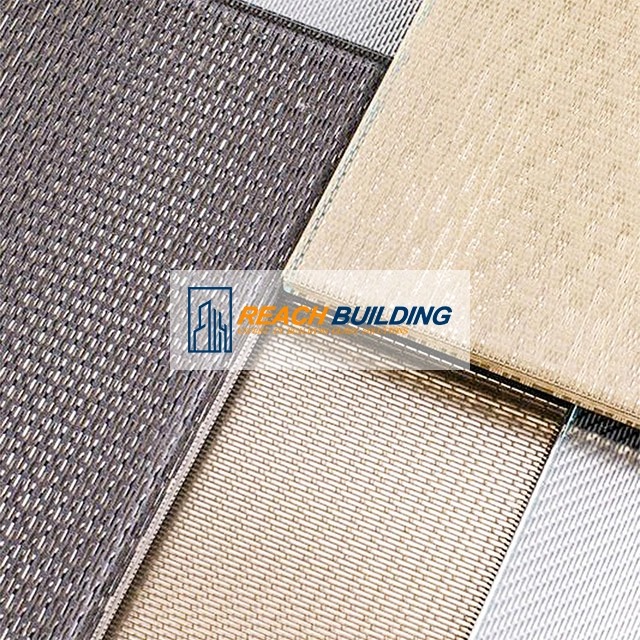
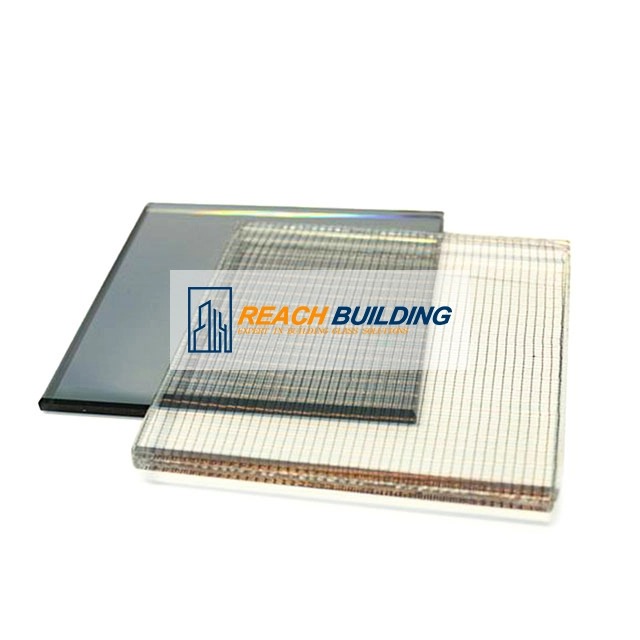
Laminated wire glass consists of two layers of glass with the wire mesh sandwiched in the middle, or a layer of glass bonded to a safety film. If it breaks, the interlayer holds the shards together, much like a car windshield. This makes it an Impact resistant powerhouse. Furthermore, the lamination process allows for more Decorative options. You can use colored interlayers or specialized mesh patterns to create a unique look without losing the fire-rated benefits.
Visual Clarity and Aesthetics: The Rise of Polished Wire Glass
In the past, wire glass was often seen as "ugly" or "institutional." It had a wavy surface that distorted the view. Modern manufacturing has solved this with Polished wire glass. Through a rigorous grinding and polishing process, manufacturers can now produce wired glass that is as clear as standard float glass.
Enhancing Interior Design with Decorative Wired Glass
Architects are now using wire glass for more than just fire code compliance; they are using it for style. Decorative wired glass is trending in "industrial chic" office designs and loft apartments. It offers a sense of privacy and texture while allowing light to pass through.
Office Partitions: Using Polished wired glass creates a boundary that feels open but secure.
Furniture: Some designers use Impact resistant wired glass for tabletops or cabinet doors.
Transoms: Placing wired glass above doors adds a vintage flair while providing a permanent fire break.
By choosing a high-quality Polished finish, you eliminate the "jail cell" feel often associated with older fire glass. It looks intentional rather than just a code requirement. We always tell our clients: if you have to have it for the fire marshal, you might as well make it look beautiful.
Installation Best Practices for Fire-Rated Assemblies
You can buy the best Fire rated wire glass in the world, but if you install it incorrectly, it will fail when you need it most. Glazing wire glass requires specific materials that can withstand extreme temperatures without melting or off-gassing.
The Importance of Glazing Tape and Shims
When setting wire glass into a frame, you must use fire-rated glazing tape or ceramic gaskets. Standard silicone will fail almost instantly in a fire. These specialized gaskets create a flexible seal that allows the glass to expand as it heats up. If the glass is held too tightly, it will shatter prematurely.
Frame Requirements
The frame is just as important as the glass. A fire-rated window or door frame must be made of steel or specially treated aluminum. It must also have a "stop" height that matches the glass manufacturer's instructions—usually around 5/8 of an inch. If the frame doesn't bite enough of the glass edge, the wire glass might pop out of the frame during the hose-stream test (a standard fire test where a high-pressure water hose is sprayed on the hot glass).

Cost Analysis and Longevity of Wire Glass Systems
When budgeting for a project, wire glass is often the most economical fire-rated glazing option. Compared to ceramic glass or intumescent multi-layer glass, wire glass provides a significant price advantage. However, you have to look at the total cost of ownership.
Traditional wired glass is cheap upfront but prone to breakage. If you are in a school setting, you might replace five panes a year due to accidental impacts. Upgrading to an Impact resistant and Laminated wire glass might cost 30% more initially, but it can last the lifetime of the building without needing replacement.
Investing in Polished vs. Unpolished
If the glass is purely for a mechanical room, an unpolished version is fine. But for any area where humans interact with the space, the upgrade to Polished wired glass is worth the investment. It improves the lighting of the space and increases the property value by looking modern. We recommend calculating the "break-even" point by considering potential liability and replacement costs of non-safety glass.
Identifying Safety Markings and Certifications
How do you know the glass you just received is actually Fire rated or Impact resistant? Every piece of safety glass must have a permanent identification mark, usually in the corner. This is called a "monogram" or "etch."
Decoding the Etch
A typical etch on wire glass might look like this: "UL 90 Min / CPSC Cat II." * UL / Intertek Logos: These prove the glass was tested by an independent laboratory.
Time Rating: (e.g., 45, 60, 90 min) This tells you how long it can withstand fire.
Impact Rating: Indicates if it meets CPSC 16 CFR 1201 standards.
If you are a contractor, always take a photo of these etches before the building inspector arrives. Sometimes they are hidden by the frame or difficult to see in certain lighting. Having a digital record proves that you installed Laminated or Fire rated glass that meets the specific IBC and NFPA codes for that zone.
Conclusion
Navigating IBC and NFPA standards for wire glass doesn't have to be overwhelming. The key is to remember that fire safety and impact safety must go hand-in-hand. By choosing Fire rated and Impact resistant options like Laminated or safety-filmed wire glass, you protect both the building and the people inside it. From the sleek look of Polished panes to the unique flair of Decorative mesh, this material remains a versatile and reliable choice for modern construction.
FAQ
Q: Can I use wire glass in a gymnasium?A: Yes, but it must be Impact resistant (CPSC Category II). Traditional, non-safety wired glass is strictly prohibited in gymnasiums due to the high risk of impact and injury.
Q: Is all wire glass fire-rated?A: Most wire glass is designed for fire protection, but the specific rating (20 to 90 minutes) depends on the product and the frame it is installed in. Always check the UL certification.
: Does wire glass break easily?A: Standard wired glass is actually weaker than tempered glass when it comes to blunt force. However, Laminated versions are much stronger and stay together even when broken.
Q: Can I get wire glass that is clear?A: Yes! By choosing Polished wire glass, you get a surface that is ground smooth for excellent visual clarity, eliminating the distortion found in cheaper versions.
About Our Factory and Expertise
At our manufacturing facility, we don't just "make" glass; we engineer safety solutions. Our factory is equipped with the latest precision polishing and laminating lines, allowing us to produce Polished wire glass with industry-leading clarity. We maintain a massive inventory of Fire rated and Impact resistant products, ensuring that we can meet the tightest deadlines for commercial B2B projects.
Our strength lies in our rigorous quality control and deep understanding of global building codes. We test every batch to ensure it meets the highest standards of the IBC and NFPA. When you work with us, you aren't just getting a supplier; you are getting a partner with the technical muscle to support your most complex designs. From Decorative custom runs to high-volume standard orders, we have the capacity and the expertise to deliver excellence every time.