Introduction
Do glass railings really need a top rail? This is a common question for anyone considering glass as a safety feature in their home or commercial space. While many love the sleek, transparent look of glass, the inclusion or omission of a top rail can significantly affect safety, aesthetics, and code compliance.
In this article, we will explore when a top rail is necessary, the benefits it offers, and when it can be omitted. You will also learn about the importance of local building codes and how they impact your decision-making process regarding glass railing designs.
The Role of a Top Rail in Glass Railings
Structural Support and Safety Considerations
A top rail plays a crucial role in providing structural support for glass railings. It helps distribute forces, ensuring that the glass panels remain stable and are less likely to fail under pressure. Glass railings often experience significant pressure from forces like wind, impact, or even everyday use, especially in high-traffic areas. Without a top rail, the panels may become more vulnerable to such stresses, which could compromise the entire railing system's integrity.
For monolithic tempered glass, a top rail is often required to maintain the safety of the system. The International Building Code (IBC) specifies that a top rail or cap rail must be used with these glass systems to help prevent collapse if a panel fails. The top rail not only provides structural integrity but also serves as a secondary safety mechanism. For example, if one glass panel shatters, the top rail will hold the remaining pieces in place, reducing the risk of a complete failure that could lead to accidents or injuries.
Tip: Always ensure that your glass railings are built to comply with local building codes, especially when using single-pane tempered glass, as a top rail is often required for safety and stability.
Aesthetic Impact of a Top Rail
The inclusion of a top rail can also significantly influence the visual appeal of glass railings. Modern architectural trends often favor minimalist, frameless designs that highlight transparency and seamless integration with the surroundings. Frameless glass railings, which lack a top rail, are particularly popular in spaces where an unobstructed view is a priority. The absence of a top rail creates a clean, uninterrupted visual flow between the indoors and outdoors, enhancing the overall aesthetic of the space.
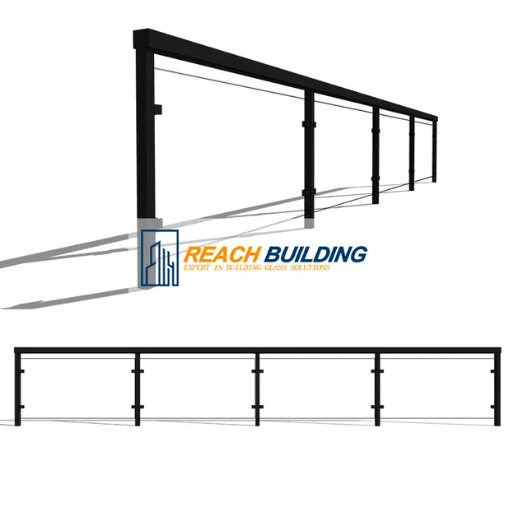
However, the presence of a top rail does not necessarily detract from the design. In fact, when properly integrated, a top rail can add to the visual interest of the railing system. Designers often choose a slim, metal top rail that contrasts subtly with the clear glass, creating a sophisticated look while maintaining a modern aesthetic. Furthermore, a top rail can serve as a functional design element, offering a comfortable handhold and contributing to the overall design balance of the railing system.
Tip: If you want a sleek design but still require safety, opt for a slim top rail made from metal or other materials that complement the glass, ensuring both function and form.

When a Top Rail is Required for Glass Railings
Building Codes and Regulations
One of the primary factors that determine whether a top rail is necessary for glass railings is local building codes. The International Building Code (IBC) and other regulatory bodies provide guidelines that often mandate the use of a top rail, especially for glass panels that do not have sufficient structural support. For example, in areas where monolithic tempered glass is used, a top rail is required to ensure that the glass panels can bear the load and stay intact under stress.
The IBC's regulations also address specific safety concerns, such as the risk of a glass panel breaking and causing the entire railing to collapse. In these cases, the top rail acts as a safeguard, ensuring that the panel’s integrity is maintained even after a failure. Furthermore, building codes have specific requirements for stairways, as these railings must offer a secure handhold, making a top rail mandatory in many situations.
Situation | Top Rail Requirement |
Monolithic Tempered Glass | Required for structural support and safety |
Stairways or High-Traffic Areas | Required for safety and handhold support |
Frameless Systems (Laminated Glass) | May be omitted with approval |
Safety in High-Traffic and Public Spaces
In high-traffic areas, such as commercial buildings, shopping malls, and airports, the top rail is often essential for safety. These spaces experience constant use, and the railings must withstand greater wear and tear. The addition of a top rail ensures that the glass railings are more secure and capable of handling the pressures they face.
The top rail also serves as a safety feature, providing extra protection in the event of glass breakage. By holding the shattered pieces in place, the top rail prevents the glass from falling or collapsing entirely. This is especially important in areas where the railing is expected to endure frequent pressure from people, such as at airports or shopping centers.
Tip: In areas with high foot traffic, ensure your glass railing system includes a top rail for added security and compliance with building codes.
When Can a Top Rail Be Omitted for Glass Railings?
Laminated Glass as an Exception
In some cases, glass railings can be installed without a top rail, particularly when laminated glass is used. Laminated glass is made from two or more layers of glass bonded together with a plastic interlayer, which provides enhanced safety. If one layer of glass breaks, the interlayer holds the panels together, maintaining the integrity of the entire system. This self-supporting feature allows laminated glass to be used in frameless systems or installations where a top rail might otherwise be required.
However, even with laminated glass, a top rail can only be omitted if it is approved by the local building authority. Many local jurisdictions still require a top rail for laminated glass railings to ensure compliance with safety regulations. It's essential to confirm with local officials whether the use of laminated glass without a top rail is allowed in your area.
Glass Type | Top Rail Requirement |
Laminated Glass | Can be omitted with approval |
Monolithic Tempered Glass | Must have a top rail for safety |
Frameless Systems with Structural Engineering
Frameless glass railings are a popular choice in modern architecture, often featuring laminated glass. These systems rely on the strength of the laminated glass and are typically installed in channels or with standoffs to hold the glass panels securely. When designed correctly, frameless glass railings can function without a top rail while still meeting safety standards.
The key to omitting a top rail in frameless systems is ensuring that the laminated glass is thick enough and properly engineered to handle the required loads. Additionally, local building codes must be adhered to, and approval from the local building official is often required for these systems to be installed without a top rail.
Tip: If you're considering frameless glass railings, work with a professional designer to ensure that the system meets safety standards and complies with local regulations before omitting a top rail.
Key Considerations When Deciding Whether to Use a Top Rail
Local Codes and Regulations
As mentioned earlier, the decision to include or omit a top rail depends heavily on local building codes. These codes are in place to ensure safety and compliance with national standards. While the IBC provides general guidelines, each jurisdiction may have specific requirements for glass railings. Therefore, it’s essential to check with your local building authority to confirm whether a top rail is necessary for your particular project.
For instance, while laminated glass may be exempt from top rail requirements in some areas, other jurisdictions may still mandate it. Always consult with local officials before making design decisions to ensure your installation complies with regulations.
Maintenance and Durability
Another factor to consider is the long-term maintenance and durability of the glass railing system. A top rail provides protection to the edges of the glass panels, preventing them from getting scratched or damaged due to environmental factors like weather or temperature changes. It also makes it easier to clean and maintain the panels, as the top rail serves as a clear boundary between sections.
In contrast, frameless glass systems without top rails may require more careful maintenance to ensure the glass edges are protected and the system remains structurally sound over time. Additionally, such systems may be more susceptible to damage if not properly maintained.
Tip: A top rail can reduce long-term maintenance costs by protecting the glass edges from damage and simplifying cleaning.
Conclusion
In conclusion, whether glass railings need a top rail depends on factors such as safety, aesthetics, and local building codes. A top rail often enhances structural integrity, especially with monolithic tempered glass. However, laminated glass systems can sometimes function without a top rail if approved by local authorities.
At HANGZHOU REACH BUILDING CO.,LTD., we specialize in providing high-quality glass railing solutions designed to meet both aesthetic and safety requirements. Our products are engineered to offer durability, while our expertise ensures compliance with local codes, delivering peace of mind for your projects.
FAQ
Q: Do glass railings require a top rail for safety?
A: Yes, glass railings typically require a top rail for structural support and to meet building codes, especially with monolithic tempered glass. Laminated glass systems may sometimes omit the top rail if approved by local authorities.
Q: Why is a top rail needed for glass railings?
A: A top rail helps distribute forces, ensuring stability and safety. It prevents glass panels from collapsing in the event of breakage and offers additional support, especially in high-traffic areas.
Q: Can frameless glass railings be installed without a top rail?
A: Frameless glass railings with laminated glass may not need a top rail, as the interlayer in the glass holds the panels together. However, approval from local building authorities is required.
Q: Are there aesthetic benefits to omitting a top rail in glass railings?
A: Yes, removing the top rail creates a clean, uninterrupted look, especially with frameless glass railings. This minimalist design enhances the visual appeal of a space, making it feel larger and more open.