Introduction
Low iron glass, such as the high-quality products provided by REACH BUILDING, is a top choice in the world of premium architecture and design. Its exceptional clarity and minimal green tint make it perfect for a wide range of applications. But what exactly makes low iron glass different, and why is there a common misconception that it still has a green edge?
In this article, we’ll explore the reasons behind the green tint in glass, whether low iron glass really eliminates this issue, and why this type of glass is gaining popularity in high-end design.
What is Low Iron Glass?
Definition of Low Iron Glass
Low iron glass is a type of glass manufactured with significantly reduced iron oxide content, resulting in a crystal-clear appearance. Unlike standard glass, which contains iron oxide that imparts a slight greenish hue, low iron glass is refined to have minimal impurities. This reduction allows light to pass through without any distortion, making it ideal for applications where clarity and transparency are critical.
Key Characteristics of Low Iron Glass
Characteristic | Low Iron Glass | Standard Glass |
Iron Content | Significantly reduced, almost negligible | Higher, causes a green tint |
Light Transmission | Up to 1-1.5% more light passes through | Less light transmission |
Appearance | Crystal clear, neutral tones | Slight green tint, especially in thicker panels |
Application | Premium interiors, high-clarity displays | General-purpose use |
Low iron glass is prized in applications where transparency and clarity are crucial. Whether used in large glass facades, glass railings, or display cabinets, it enhances the visual experience, offering unobstructed views with no color distortion.
Importance of Low Iron Glass in Design and Architecture
Low iron glass is increasingly favored in luxury interior design, retail spaces, and architectural projects due to its pristine clarity. Whether used in frameless shower doors, glass railings, or large glass facades, it allows designers to create striking, open spaces without the visual distraction of the green edges typical of standard glass.
Green Edges in Glass: Why Does It Happen?
Iron Content in Standard Glass
The green tint that often appears in the edges of glass is a result of the iron content in standard glass. Regular glass, made from raw materials such as sand and dolomite, naturally contains iron. When glass is manufactured, the iron in these materials reacts with the light passing through, absorbing specific wavelengths and causing the edges to appear green, especially in thicker panes.
Effects of Iron Oxide on Glass Appearance
Iron oxide, which is a byproduct of the raw materials used in standard glass, absorbs light at certain wavelengths. This absorption leads to the visible green tint. The thicker the glass, the more pronounced this effect becomes, especially at the edges where the light is refracted. While this is acceptable for general applications, it can be undesirable in high-end projects where clarity is a priority.
Does Low Iron Glass Have Green Edges?
Absence of Green Tint in Low Iron Glass
Low iron glass is designed to minimize or entirely eliminate the green tint that plagues standard glass. By using refined raw materials with very little iron content, the glass remains color-neutral. The edges of low iron glass are often clear or slightly bluish, even in thicker sheets, making it ideal for applications where clarity and aesthetics are paramount.
What Low Iron Glass Edges Actually Look Like
When viewed from the side, the edges of low iron glass appear clear, crisp, and sometimes slightly blue, unlike the distinct green tint found in thicker sections of regular glass. This clarity makes it the go-to choice for projects requiring minimal visual distortion, such as display cases, luxury interiors, and architectural facades.
Comparison of Low Iron Glass Edges to Standard Glass Edges
When comparing low iron glass to standard glass, the difference in edge appearance is clear. While regular glass edges tend to exhibit a noticeable green hue, low iron glass has much more neutral tones, whether viewed from a distance or up close. This makes low iron glass the preferred choice in high-end design applications, where visual appeal and clarity are the top priorities.
Glass Type | Edge Appearance | Transparency | Ideal Application |
Standard Glass | Greenish tint, especially at edges | Lower | General-purpose use |
Low Iron Glass | Clear, sometimes slightly bluish | Higher | High-end, luxury designs |
Low iron glass provides a refined, clear edge that complements modern aesthetics, while standard glass’s green tint can detract from a sleek, professional appearance.
Advantages of Using Low Iron Glass
Advantage | Benefit |
Visual Clarity | Accurate color representation, no distortion |
Durability & Performance | Enhanced energy efficiency and UV protection |
Premium Applications | Ideal for luxury retail, art galleries, and museums |
Enhanced Visual Clarity
One of the biggest advantages of low iron glass is its ability to provide superior clarity. Its minimal iron content ensures that light passes through the glass without distortion, making colors appear more accurate and true-to-life. This is especially important in high-end applications where color accuracy, such as in art galleries or retail spaces, plays a crucial role.
Increased Durability and Performance
Low iron glass is not just about aesthetics; it also offers superior performance. The increased light transmission helps in energy-efficient designs, as the natural light entering a space can reduce reliance on artificial lighting. Additionally, this type of glass often provides better UV protection, which helps preserve the longevity of interior furnishings and artworks.
Applications in Premium Designs
Low iron glass is the preferred material for architects and designers looking to create high-end designs. REACH BUILDING’s low iron glass is particularly well-suited for museum displays, art galleries, and luxury retail stores. The ability to showcase products or artwork without the greenish hue that distorts true colors is a major reason for its widespread adoption in premium spaces.

Common Applications of Low Iron Glass
Use in Display Cases and Shelving
Low iron glass is an excellent choice for display cases and shelving in retail and museum environments. The glass ensures that the displayed objects, whether fine art or luxury items, are seen clearly and without any color distortion caused by a greenish tint. This enhances the overall aesthetic and professionalism of the space.
Architectural Use in Frameless Showers and Glass Railings
In modern architecture, low iron glass is often used for frameless shower doors and glass railings. The transparent nature of the glass makes it ideal for open, airy designs where visibility and clarity are essential. It enhances the feeling of space and allows natural light to flood into bathrooms or living areas.
Perfect for Glass Facades and Windows
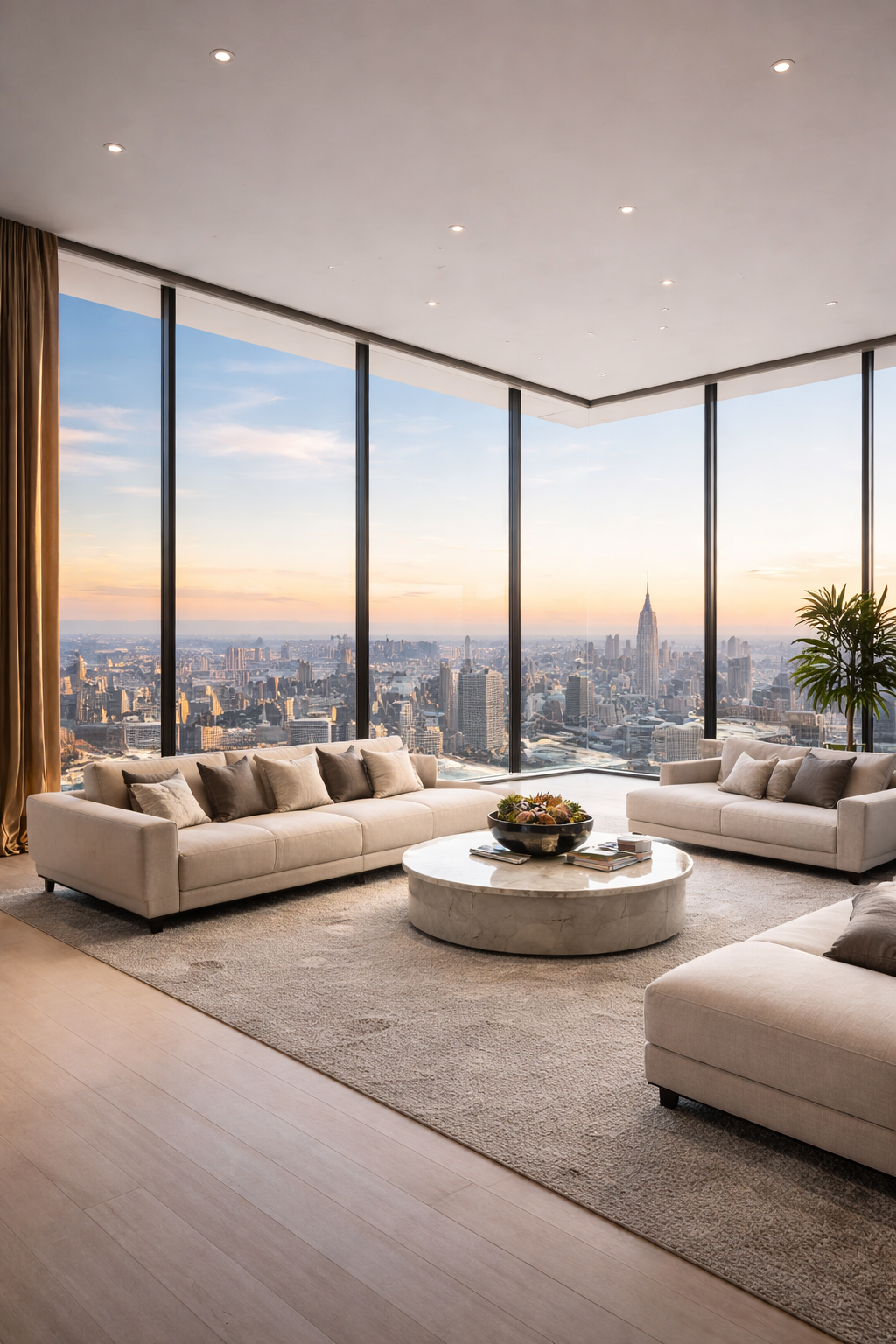
In commercial buildings and high-end residences, low iron glass is used for facades and windows. Its superior transparency creates a clean, uninterrupted view, making it ideal for buildings that rely on large glass panels to create bright, open spaces. Low iron glass ensures that the building’s exterior looks crisp and clear, with no greenish hue to mar the view.
How Low Iron Glass Improves the Overall Aesthetic of a Space
Pure Transparency for Enhanced Interior Designs
Low iron glass elevates the aesthetic of any interior by providing a clearer, more transparent view. This is especially important in spaces like galleries, showrooms, and luxury homes where the visual experience is paramount. By allowing more natural light into the space without color distortion, it contributes to a more open, airy feel.
Subtle Elegance and Modern Appeal
The minimalist, clean lines of low iron glass add a subtle elegance to modern spaces. It helps create sophisticated interiors where the quality of materials is apparent. Whether used in windows, partitions, or custom furniture, low iron glass contributes to a contemporary, high-end look.
Feature | Benefit |
Transparency | Provides a clearer, more transparent view |
Natural Light | Enhances the open, airy feel of spaces |
Modern Elegance | Adds sophistication to interior designs |
Minimalist Design | Ideal for contemporary, high-end aesthetics |
Conclusion
Low iron glass provides clear advantages over standard glass, especially in applications requiring clarity, transparency, and true color. By eliminating the green tint typical of regular glass, it ensures a sleek, professional finish. HANGZHOU REACH BUILDING CO., LTD. offers high-quality low iron glass, ideal for modern architecture, luxury interiors, and commercial projects.
For projects demanding clarity and light transmission without color distortion, low iron glass is the perfect material. It enhances the visual quality and appeal of retail spaces, luxury homes, and museums.
FAQ
Q: Does low iron glass have a green edge?
A: No, low iron glass does not have a green edge. Unlike standard glass, which contains higher iron oxide content that causes a green tint, low iron glass is made with minimal iron content, resulting in clearer edges and enhanced transparency.
Q: What is low iron glass?
A: Low iron glass is a type of glass that has been refined to have a reduced iron oxide content. This makes it exceptionally clear, with a high light transmission rate, making it ideal for high-end designs and applications that require true color clarity.
Q: Why is low iron glass preferred over standard glass?
A: Low iron glass is preferred because it eliminates the greenish tint seen in regular glass. Its superior clarity allows for true color representation, making it ideal for luxury interiors, retail spaces, and display cases where color accuracy is crucial.
Q: How does low iron glass improve design aesthetics?
A: Low iron glass enhances the aesthetics of any space by allowing more natural light to pass through and creating a cleaner, brighter look. It is especially popular in high-end architecture and interior design for its crisp, clear appearance.
Q: Is low iron glass more expensive than standard glass?
A: Yes, low iron glass is typically more expensive than standard glass due to its refined production process and higher quality. However, it provides significant benefits in terms of clarity, light transmission, and visual appeal, making it a worthwhile investment for premium projects.