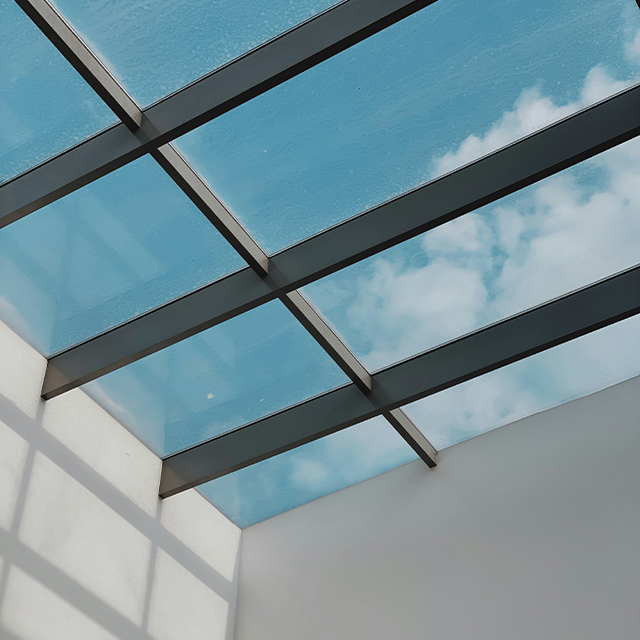
The use of skylights in modern architecture has become increasingly popular due to their ability to enhance natural lighting and aesthetic appeal in buildings. However, the choice of material for skylights is crucial for ensuring safety, durability, and energy efficiency. Among the various options available, laminated glass has emerged as a preferred choice for skylights. This article explores the benefits and considerations of using laminated glass for skylights, examining its properties, advantages, and potential drawbacks.
Understanding Laminated Glass
Laminated glass is a type of safety glass that holds together when shattered. It is constructed by sandwiching a layer of polyvinyl butyral (PVB) or ethylene-vinyl acetate (EVA) between two or more layers of glass. This interlayer keeps the glass bonded even when broken, providing a high level of safety and security. The development of laminated glass has been a significant advancement in the glass industry, offering a combination of strength, safety, and acoustic insulation.
Properties of Laminated Glass
Laminated glass is known for its impact resistance, sound insulation, and UV filtering properties. The interlayer can absorb sound, making it an excellent choice for reducing noise pollution in urban environments. Additionally, laminated glass can block up to 99% of UV radiation, protecting interiors from fading and damage. These properties make it an ideal candidate for use in skylights, where exposure to sunlight and potential impacts are common concerns.
Benefits of Laminated Glass Skylights
The benefits of using laminated glass in skylights are numerous. One of the primary advantages is its safety feature. In the event of breakage, the glass fragments remain adhered to the interlayer, reducing the risk of injury from falling shards. This characteristic is particularly important in areas prone to severe weather conditions or seismic activity.
Enhanced Safety and Security
Laminated glass provides enhanced safety and security compared to traditional glass. Its ability to remain intact upon impact makes it an effective deterrent against break-ins and vandalism. This feature is especially beneficial for skylights, which are often targeted in burglary attempts due to their location and accessibility.
Energy Efficiency
Another significant benefit of laminated glass skylights is their contribution to energy efficiency. The interlayer can be designed to enhance thermal insulation, reducing heat transfer and improving the building's overall energy performance. This can lead to reduced heating and cooling costs, making laminated glass a cost-effective option in the long run.
Acoustic Insulation
Laminated glass is also effective in providing acoustic insulation, which is crucial in urban settings where noise pollution is a concern. The interlayer dampens sound vibrations, creating a quieter and more comfortable indoor environment. This feature enhances the overall living experience, making laminated glass skylights a desirable choice for residential and commercial buildings alike.
Considerations for Laminated Glass Skylights
While laminated glass offers numerous benefits, there are considerations to keep in mind when choosing it for skylights. One such consideration is the weight of the glass. Laminated glass is generally heavier than other types of glass, which may require additional structural support in the skylight design. This can impact the overall cost and complexity of installation.
Cost Implications
The cost of laminated glass is typically higher than that of standard glass due to the additional materials and manufacturing processes involved. However, the long-term benefits in terms of safety, energy efficiency, and durability often justify the initial investment. It is important to weigh these factors when considering laminated glass for skylights.
Maintenance and Durability
Laminated glass is highly durable and requires minimal maintenance. However, it is essential to ensure that the edges are properly sealed to prevent moisture ingress, which can lead to delamination over time. Regular inspections and maintenance can help prolong the lifespan of laminated glass skylights, ensuring their continued performance and safety.
Conclusion
In conclusion, laminated glass is an excellent choice for skylights due to its safety, energy efficiency, and acoustic insulation properties. While the initial cost may be higher than other glass types, the long-term benefits make it a worthwhile investment. When considering skylight safety glass, it is important to evaluate the specific needs of the building and the environmental conditions it will face. By doing so, architects and builders can ensure that they select the most appropriate and effective solution for their projects.
Miracle Co-founder of Reachbuilding
Miracle owns a glass factory that has been in operation for 40 years. His family has been engaged in the construction industry for over 60 years and possesses extensive engineering and production experience. At Reach Building, he focuses on product technical support, custom solutions, and industry trend analysis for global dealers, contractors, and builders.In his column, Miracle shares practical insights, project case studies, and expert advice to help construction professionals select the right glass for safer, more energy-efficient buildings.
With nearly 30 years of experience in building materials, REACH BUILDING provides customized glass products and technical solutions for global construction and interior projects.
We use cookies to enable all functionalities for best performance during your visit and to improve our services by giving us some insight into how the website is being used. Continued use of our website without having changed your browser settings confirms your acceptance of these cookies. For details please see our privacy policy.