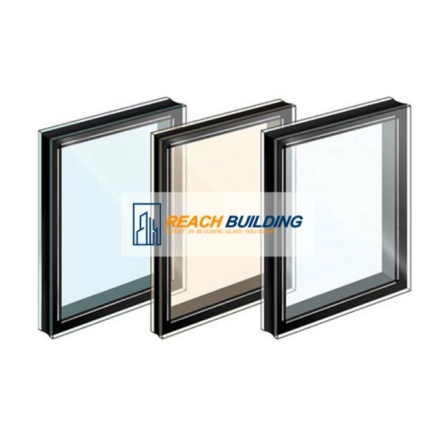
When people compare modern window and facade options, one of the most common questions is whether low e glass and double glazing are alternatives or whether they work best together. At first glance, they may sound like similar solutions because both are associated with better insulation, improved indoor comfort, and lower energy use. But in reality, they are not the same thing. Double glazing refers to a window structure with two panes of glass separated by a sealed air or gas-filled space, while low e glass refers to glass that has a special low-emissivity coating designed to reflect heat radiation. One is a glazing configuration, and the other is a performance-enhancing glass treatment. That distinction is exactly why the answer is not simply yes or no. In many projects, using both makes sense. In others, the decision depends on climate, building type, budget, and performance priorities. Understanding how these two features work individually and together is the key to making the right specification.
What Is Low E Glass?
Low e glass is short for low-emissivity glass. It is manufactured with a microscopically thin coating that helps control how much radiant heat passes through the glass surface. The purpose of this coating is to improve thermal performance without blocking natural light as heavily as older tint-based solutions.
In practical terms, low e glass helps reflect interior heat back into the room during colder seasons while also reducing the amount of solar heat entering the building in warmer conditions, depending on the coating type. This makes it one of the most widely used materials in modern energy-efficient windows and curtain wall systems.
There are different kinds of low e coatings. Some are designed to maximize solar control, while others are designed to keep more heat indoors. This is why low e glass is not a one-size-fits-all product. The right version depends on the building’s location, orientation, and energy target.
What Is Double Glazing?
Double glazing refers to a sealed insulating glass unit made of two panes separated by a spacer bar. The cavity between the panes may be filled with air or an insulating gas such as argon. The goal is to reduce heat transfer compared with single glazing.
They Are Not the Same Thing
A lot of confusion comes from the fact that both terms are discussed in the same sales or construction conversations. However, low e glass and double glazing describe different parts of the window system.
It changes how the glass handles radiant heat.
It changes how the unit handles conductive and convective heat transfer.
That means asking whether you need both is similar to asking whether you need insulation and a roof design. They solve related problems, but they do not do exactly the same job. In many energy-efficient systems, the highest-performing window combines both.
How Low E Glass and Double Glazing Work Together
The real strength of modern window design often comes from combining technologies rather than relying on one feature alone. When low e glass is used inside a double glazing unit, the window can reduce multiple forms of heat transfer at the same time.
The sealed gap in double glazing slows heat movement between indoors and outdoors. The low e coating then improves the unit further by reflecting radiant heat in a more controlled way. This combination can create a more comfortable indoor environment, especially in spaces where windows receive strong sun exposure or where heating and cooling costs are a major concern.
In simple terms:
· double glazing adds insulation
· low e glass improves thermal control
· together they create a more complete energy-saving solution
This is why many modern residential, office, hotel, and facade systems use low e insulated glass rather than standard double-pane units.
When Low E Glass Becomes More Important
There are certain conditions where low e glass moves from being a useful upgrade to being a highly practical requirement.
1.Large glass areas
The bigger the glazed surface, the greater the impact on indoor temperature control. Large windows and curtain walls often benefit strongly from low e coatings.
2.Hot or mixed climates
In regions with long cooling seasons or significant summer sun, low e glass can help reduce solar heat gain and improve comfort.
3.Buildings with strict energy goals
Projects that aim for higher energy efficiency standards often rely on low e glass as part of the envelope design.
4.Occupant comfort concerns
Even when energy savings are not the only priority, low e glass can help reduce hot spots near windows and improve thermal balance inside the room.
For these reasons, low e glass is frequently recommended in homes, offices, schools, hospitals, and commercial facades where comfort and performance must both be considered.

A Simple Comparison Table
The table below shows how low e glass and double glazing differ and where they overlap.
Feature | Low E Glass | Double Glazing | Using Both Together |
Main function | Reflects radiant heat | Reduces heat transfer through sealed gap | Improves overall thermal performance |
Structure | Special coated glass pane | Two panes with spacer and cavity | Coated pane inside insulated glass unit |
Energy efficiency | Good improvement | Good improvement | Stronger overall result |
Noise reduction | Limited direct effect | Better sound insulation | Better than low e alone |
Condensation control | Helps indirectly | Better than single glazing | Usually stronger performance |
Best use case | Solar and thermal control | Basic insulation upgrade | High-performance window systems |
This comparison helps show why the two should not be treated as direct substitutes. Instead, they are often complementary choices.
Climate Plays a Big Role
One of the biggest mistakes in glazing selection is assuming that the same glass works best everywhere. Climate matters. A building in a cold northern region may need a low e coating designed to retain indoor heat. A building in a hot sunny region may need a version focused more on solar control. Likewise, double glazing may be sufficient in one location but underperform in another when paired with the wrong glass type.
Orientation also matters. South-facing or west-facing elevations often experience higher solar gain. Bedrooms, offices, and living areas with long occupancy hours usually need greater comfort control than storage or service spaces.
This means the question is not only “Do you need both?” but also “Which low e glass type and which insulating glass configuration fit the building best?” Without that project-level view, even a good product can be used ineffectively.
Common Misunderstandings About Low E Glass
A few misconceptions appear repeatedly in the market.
“Low e glass makes rooms dark”
Not necessarily. Modern low e glass can maintain strong visible light transmission while still improving thermal performance.
“Double glazing already does everything”
Not exactly. Double glazing improves insulation, but without low e coating it may still allow more radiant heat transfer than desired.
“Low e glass is only for cold climates”
No. Different low e coatings are used in both cold and warm climates depending on the performance target.
“If one pane is good, two features are unnecessary”
This oversimplifies how glazing performance works. High-performance windows often depend on multiple coordinated features, not just one.
Understanding these points helps buyers avoid choosing based on incomplete assumptions.
Final Thoughts
So, do you need both low e glass and double glazing? In many modern building applications, the answer is yes, especially when energy efficiency, occupant comfort, and long-term performance are serious priorities. They are not competing options. They do different jobs, and when used together, they often create a more balanced and effective window solution. Double glazing improves insulation through structure, while low e glass fine-tunes heat control through coating technology. From our perspective, the best decision is rarely based on a simple product comparison alone. It should be based on climate, building use, glazing area, and the overall performance target of the project. At HANGZHOU REACH BUILDING CO.,LTD., we believe that better glazing decisions come from understanding how materials work together rather than choosing features in isolation. If you are comparing facade, window, or insulated glass options and want to understand which configuration fits your project more realistically, it is worth learning more from HANGZHOU REACH BUILDING CO.,LTD. and discussing the practical needs of your building in more detail.
FAQ
1. Is low e glass better than double glazing?
They are not directly comparable because they perform different functions. Low e glass improves radiant heat control, while double glazing improves insulation through a sealed two-pane structure.
2. Can low e glass be used in single glazing?
Yes, it can, but many projects achieve better overall performance when low e glass is combined with double glazing instead of being used in a single-pane setup.
3. Does double glazing reduce heat in summer?
It can help, but its performance is usually stronger when paired with low e glass that is designed to control solar heat gain.
4. Is using both worth the extra cost?
For many homes and commercial buildings, yes. The combination often delivers better comfort, stronger energy performance, and more long-term value than standard glazing alone.