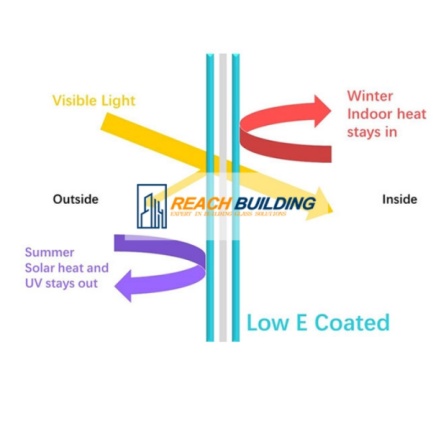
In the ever-evolving field of construction and design, Low E Glass has emerged as a game-changing solution for improving both energy efficiency and indoor comfort. For homeowners, architects, and building professionals alike, understanding how Low E Glass contributes to energy savings can be a significant factor when making design and material decisions. Whether you’re constructing a new building or looking to improve the energy performance of an existing structure, Low E Glass offers a host of benefits that go beyond just reducing heating and cooling costs.
Low E Glass refers to a type of glass that has been coated with a thin, invisible layer of metallic oxide. This coating helps control the flow of heat, light, and UV radiation, improving the energy efficiency of buildings. It is widely used in windows, doors, and skylights, providing a comfortable indoor environment year-round. By reflecting infrared radiation, Low E Glass can keep your home cooler in the summer and warmer in the winter, making it a must-have for homeowners and businesses alike looking to reduce energy consumption and enhance comfort.
In this article, we will explore the many benefits of Low E Glass, explain how it works, and highlight why it is becoming a crucial element of sustainable building practices.
What Is Low E Glass?
Low E Glass (short for “low emissivity glass”) is a type of glass that is treated with a special coating designed to improve its performance in terms of thermal insulation. The Low E coating helps to reduce the amount of heat that is transferred through the glass, reflecting infrared energy back into the room or blocking it from entering the building. This property makes Low E Glass highly effective in regulating the internal temperature of a building, improving comfort and reducing reliance on heating and cooling systems.
The coating used in Low E Glass is typically a thin metallic oxide layer that is applied to the surface of the glass during manufacturing. This layer reflects heat while still allowing natural sunlight to pass through. Low E Glass also helps to block harmful UV rays, which can cause fading and damage to furniture, carpets, and fabrics inside the building.
How Low E Glass Works to Save Energy
1.Reflecting Heat in Summer and Winter
One of the most significant benefits of Low E Glass is its ability to reflect heat in both hot and cold weather, making it an excellent year-round solution for energy savings. In the summer, the special coating on Low E Glass reflects the sun's infrared heat away from the building, preventing it from entering and causing the indoor temperature to rise. This keeps the building cooler and reduces the need for air conditioning, leading to lower cooling costs. In winter, the coating works in the opposite way by reflecting the heat from inside the building back into the room. This prevents warm air from escaping through the windows, thereby reducing the need for additional heating. This dual action—reflecting heat away in the summer and trapping it in the winter—leads to significant energy savings, ensuring a more comfortable and cost-efficient indoor environment throughout the year.
2.Blocking UV Radiation
In addition to controlling heat, Low E Glass also blocks harmful UV radiation, which can cause significant damage to your interior over time. UV rays are responsible for fading and deteriorating materials like furniture, carpets, curtains, and artwork. By blocking a significant amount of UV radiation, Low E Glass helps protect these items from sun damage, extending their lifespan and maintaining the aesthetic quality of the interior. This added protection contributes to better indoor comfort and preserves the appearance of your belongings.
The Environmental Benefits of Low E Glass
In addition to providing energy savings and enhanced comfort, Low E Glass also contributes to environmental sustainability. By reducing the amount of energy required for heating and cooling, buildings with Low E Glass have a lower carbon footprint. This can be a critical factor for businesses and homeowners looking to make their buildings more environmentally friendly.
The use of Low E Glass can significantly reduce the need for fossil fuels used to generate electricity, particularly in climates that experience extreme temperatures. The overall reduction in energy consumption leads to fewer emissions of greenhouse gases, making Low E Glass a key component in efforts to fight climate change.
Benefits of Low E Glass in Different Climates
In hot climates, Low E Glass helps reflect the heat from the sun, reducing the need for air conditioning and keeping indoor temperatures more comfortable. By preventing the heat from entering the building, Low E Glass can also protect the interior from heat damage, ensuring that the building remains cooler without excessive reliance on cooling systems.
In colder regions, Low E Glass provides insulation by reflecting the heat from inside the building back into the space. This helps keep the building warmer, reducing the need for constant heating and lowering overall energy consumption. The insulating properties of Low E Glass also reduce drafts and heat loss, making the building more comfortable during the winter months.
Key Advantages of Low E Glass
Feature | Benefit |
Heat Reflection | Keeps buildings cooler in summer and warmer in winter |
UV Radiation Block | Protects furniture, flooring, and fabrics from UV damage |
Energy Efficiency | Reduces the need for heating and cooling, lowering energy costs |
Environmental Impact | Helps lower carbon footprint by reducing energy consumption |
Improved Comfort | Reduces drafts and maintains consistent indoor temperatures |

Cost Savings with Low E Glass
One of the primary reasons for investing in Low E Glass is the potential for significant cost savings. By improving energy efficiency, Low E Glass can reduce the need for heating and cooling, leading to lower energy bills. Although Low E Glass may initially cost more than standard glass, the long-term savings on energy costs more than justify the investment.
In addition to the direct savings on energy bills, the environmental benefits of Low E Glass may also lead to tax credits, rebates, and incentives in certain regions. This can further offset the initial cost and make Low E Glass a more attractive option for building owners.
How Low E Glass Enhances Indoor Comfort
Regulating Temperature Fluctuations
One of the most noticeable benefits of Low E Glass is its ability to reduce temperature fluctuations inside the building. By preventing heat loss in the winter and blocking heat gain in the summer, Low E Glass creates a more consistent and comfortable indoor environment. This can be particularly beneficial in homes and offices, where temperature stability is crucial for productivity and well-being.
Reducing Drafts
Low E Glass also helps reduce drafts by acting as an insulating barrier. The improved insulation properties minimize the air exchange between the indoor and outdoor environments, creating a more stable and comfortable space. This can lead to a reduction in cold spots and areas where air leakage occurs.
Low E Glass vs Traditional Glass: A Comparison
Feature | Low E Glass | Traditional Glass |
Energy Efficiency | High | Low |
Heat Reflection | Reflects heat, improving insulation | No reflection of heat |
UV Protection | Blocks UV rays, protecting interiors | Allows UV rays, causing fading |
Energy Savings | Significant reduction in heating and cooling costs | No energy-saving benefits |
Comfort | Maintains consistent indoor temperature | Prone to drafts and temperature swings |
Final Thoughts
As energy efficiency and environmental sustainability become increasingly important, Low E Glass has emerged as a cornerstone of modern building materials. Whether you're constructing a new building or upgrading an existing structure, Low E Glass offers significant benefits in terms of energy savings, comfort, and environmental impact. By reflecting heat, blocking harmful UV radiation, and improving insulation, Low E Glass enhances the overall performance of windows and doors while reducing reliance on heating and cooling systems.
At HANGZHOU REACH BUILDING CO., LTD., we are committed to offering high-quality Low E Glass products that meet the demands of modern construction. Whether you're looking to improve the energy efficiency of your home or build a sustainable commercial space, our products provide the perfect solution. Contact us today to learn more about our offerings and how Low E Glass can help you create more comfortable, energy-efficient buildings.
FAQ
1. What is Low E Glass?
Low E Glass is a type of glass that has a special coating that reflects heat and blocks UV rays, improving energy efficiency and comfort in buildings.
2. Does Low E Glass really save energy?
Yes, Low E Glass helps keep buildings warmer in winter and cooler in summer, reducing the need for heating and cooling, which leads to lower energy bills.
3. Can Low E Glass prevent fading of furniture?
Yes, the UV-blocking properties of Low E Glass help protect furniture, flooring, and fabrics from fading and sun damage.
4. Is Low E Glass more expensive than regular glass?
While Low E Glass may have a higher initial cost, it pays for itself over time through energy savings, making it a worthwhile investment for both residential and commercial buildings.