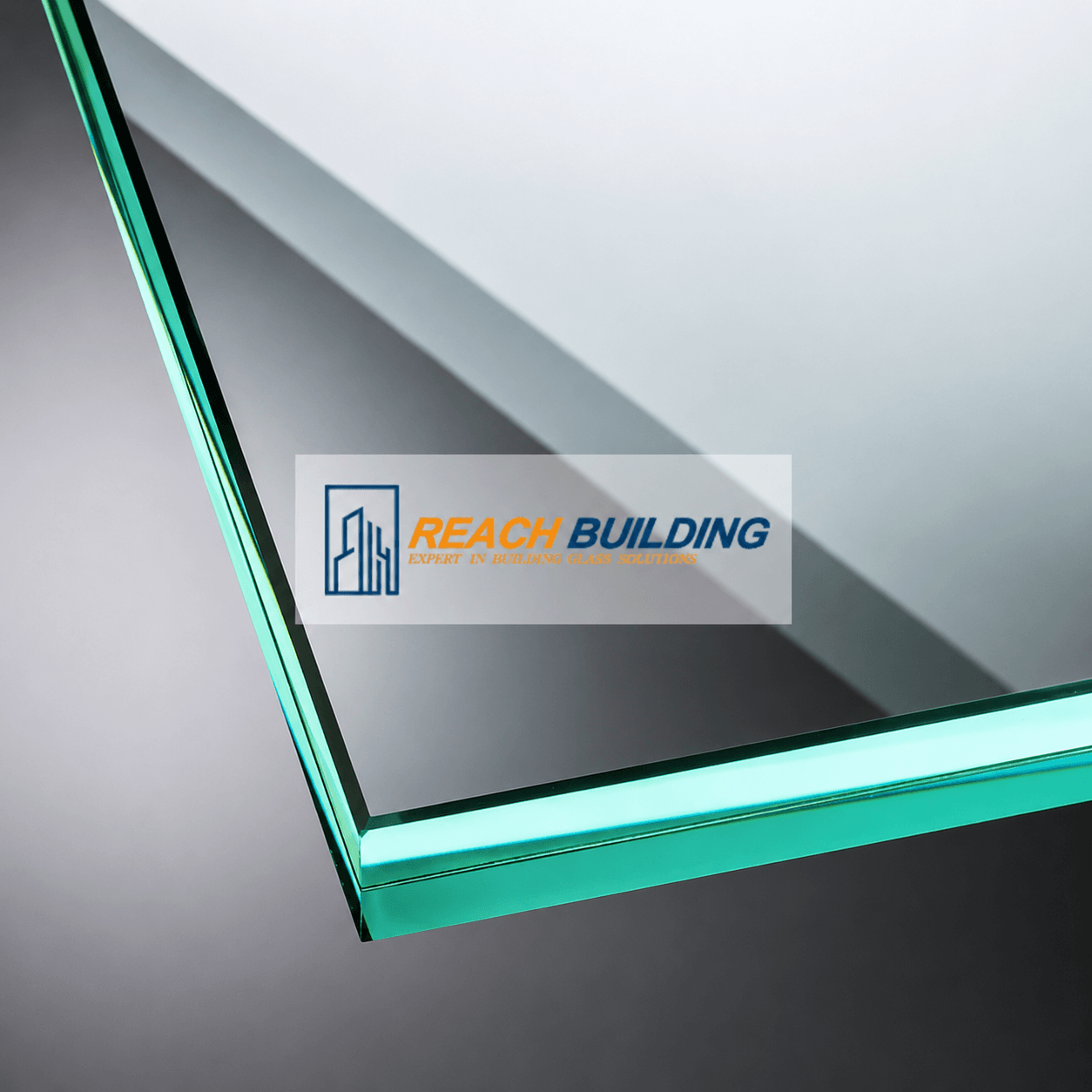
Choosing the right laminated glass supplier is critical for construction projects. A reliable supplier should provide not only competitive pricing but also consistent quality, suitable glass solutions, strong production capability, and dependable delivery.
This guide outlines the key factors to consider when selecting a laminated glass supplier, from product specifications and manufacturing capability to quality control and technical support, helping you identify a reliable partner for your project.
Define Your Project Requirements Before Choosing a Laminated Glass Supplier
Laminated glass is widely used in construction projects where safety, durability, and performance are important considerations. Before contacting suppliers, buyers should identify where the glass will be installed and what performance requirements the project requires.
Glass balustrades and safety glazing applications place greater emphasis on post-breakage performance. The laminated glass should be designed to retain glass fragments after breakage and maintain a certain level of safety.
Glass windows and doorstypically require laminated glass solutions that meet safety, thermal performance, acoustic insulation, and aesthetic requirements. Suppliers should be able to recommend suitable glass configurations based on factors such as building location, application requirements, and energy efficiency goals.
Laminated glass solutions combining safety, durability, and aesthetic performance for commercial entrances and architectural applications.
Skylights, roof glazing, and glass floors & walkways often require specially configured laminated glass solutions with enhanced safety performance and structural reliability. For these applications, suppliers should be able to provide suitable glass combinations based on factors such as load requirements, installation conditions, and project specifications.
Skylights & Roof Glazing Laminated glass solutions designed for safety, load requirements, and architectural performance.
Glass Floors & Walkways Customized laminated glass configurations for safety-critical and structural applications.
Understanding application requirements is essential when selecting a laminated glass solution. Clearly defined project conditions help suppliers recommend suitable glass configurations and ensure the final solution meets the required safety, performance, and design expectations.
Glass Configuration and Interlayer Options
Laminated glass performance depends largely on the glass combination, interlayer type, and overall configuration. Different projects may require different solutions based on safety, structural, acoustic, energy efficiency, and design requirements. When evaluating a laminated glass supplier, it is important to check whether they can provide suitable options, including:
PVB, SGP, and other interlayer options: Different interlayers provide different levels of safety, durability, acoustic performance, and structural capability.
Different interlayer thicknesses: Thicker interlayers may be required for higher safety, sound insulation, or load requirements.
Tempered laminated glass configurations: Suitable for applications requiring enhanced strength and post-breakage safety.
Acoustic laminated glass solutions: Designed to improve sound insulation in noise-sensitive environments.
Clear, ultra-clear, tinted, or coated glass options: Allow customization for appearance, daylight control, and energy performance.
Decorative and specialty interlayers: Suppliers may provide customized interlayer solutions, including fabric, printed films, and colored interlayers, for projects requiring unique appearance and design features.
The interlayer plays an important role in laminated glass performance. Different interlayer materials and thicknesses can influence safety, structural capability, acoustic performance, and design flexibility. Therefore, a reliable laminated glass supplier should be able to recommend suitable configurations based on actual project conditions rather than simply offering standard product options.
Size and Processing Requirements
Glass dimensions and processing capabilities are important factors when evaluating a laminated glass supplier. Construction projects often require customized glass sizes, complex shapes, or additional fabrication processes that may not be available from every supplier.
When selecting a supplier, confirm whether they can support the project's requirements, including:
Glass dimensions: Capability to produce required sizes, including large-format architectural glass panels.
Holes and cut-outs: Accurate fabrication for hardware installation, fittings, and structural connections.
Special shapes and customized processing: Ability to handle non-standard designs and project-specific requirements.
Providing detailed drawings, dimensions, and processing specifications during the quotation stage allows the supplier to evaluate the required glass configuration, fabrication process, and production feasibility more accurately.
A capable laminated glass supplier should not only provide the glass itself but also have the processing capability required to support complex architectural projects.
Evaluate Glass Quality and Manufacturing Control
Product quality and manufacturing control are important factors when selecting a laminated glass supplier. A reliable supplier should not only provide the required glass configuration but also maintain consistent quality throughout the production process.
Before placing an order, evaluate how the supplier controls raw materials, lamination quality, inspection procedures, and production consistency to ensure the supplied glass meets project requirements.
Laminated Glass Quality and Lamination Performance
The quality of laminated glass depends on both the raw glass materials and the lamination process. Even when the glass configuration meets the project requirements, inconsistent material quality or poor lamination control can affect appearance, performance, and long-term reliability.
When evaluating a supplier, consider the following quality factors:
Raw glass quality: High-quality float glass provides a reliable foundation for laminated glass performance, appearance, and durability.
Surface appearance: Glass should be inspected for visible defects, surface imperfections, and overall visual quality, especially for architectural applications where appearance is important.
Optical clarity: Proper glass selection and lamination control help minimize optical distortion and maintain clear visual performance.
Thickness consistency: Accurate control of glass thickness and interlayer thickness ensures the final laminated glass meets the specified configuration.
Lamination quality: The bonding quality between glass layers and the interlayer directly affects safety performance and long-term durability.
A capable laminated glass supplier should have consistent control over both material selection and lamination processes to deliver reliable products for different architectural applications.
Manufacturing Capacity and Supply Reliability
Production capacity is an important consideration when selecting a laminated glass supplier, especially for commercial and large-scale construction projects. A supplier should have sufficient manufacturing capability to support project schedules, customized requirements, and long-term supply needs.
When evaluating a supplier’s production capability, consider the following factors:
Whether the supplier has sufficient manufacturing capability to meet the required order volume and project timeline.
Large-Volume Orders
Experience supporting commercial projects that require consistent production and stable supply.
Project Continuity
Stable production capability to support different stages of a construction project.
Delivery Consistency
Ability to coordinate production schedules, packaging, and shipment according to agreed delivery requirements.
For large-scale construction projects, production stability and supply reliability are often as important as product quality, especially when multiple deliveries or repeat orders are required.
Verify Glass Testing, Certifications and Technical Documentation
Before selecting a laminated glass supplier, it is important to verify whether the supplier can provide reliable testing data, relevant certifications, and complete technical documentation. These documents help confirm that the supplied laminated glass meets the required safety, performance, and project specifications.
When evaluating a supplier, check whether the provided documentation matches the actual glass configuration being supplied, including glass type, thickness, interlayer material, and performance requirements.
Important documents to review include:
Documentation
Purpose
Technical datasheets
Provide product specifications, available configurations, and performance information.
Test reports
Verify safety, structural, acoustic, or other performance data based on specific glass configurations.
Certificates and standards compliance documents
Demonstrate compliance with relevant industry requirements and project standards.
Installation guidance
Support correct handling, installation, and application of laminated glass products.
Why Choose REACH BUILDING as Your Laminated Glass Supplier
REACH BUILDING is a professional architectural glass manufacturer and supplier, providing customized glass solutions for global construction projects. With extensive experience in glass processing and project supply, we deliver laminated glass solutions with capabilities in glass configuration, fabrication, quality control, technical documentation, and export support.
Customized Laminated Glass Configurations
REACH BUILDING provides customized laminated glass solutions for architectural projects, supporting different performance requirements through flexible glass configurations, interlayer options, and processing capabilities.
Below are some examples of REACH BUILDING’s laminated glass solutions, including different interlayer options, glass types, and performance configurations for various project requirements.
REACH BUILDING maintains quality control throughout the laminated glass production process, from raw glass inspection and lamination procedures to final product checks. The company provides technical documentation, including product specifications, datasheets, test reports, and quality records, to support project evaluation and approval.
To learn more about REACH BUILDING’s manufacturing capabilities, production processes, and quality control system, please explore ourManufacturing Capabilities.
To further support project evaluation and compliance requirements, REACH BUILDING laminated glass products are supported by relevant certifications and standards, including CE / EN 14449 & EN ISO 12543, ANSI Z97.1 / CPSC 16 CFR 1201, SGCC, ASTM C1172 / C1048, and ISO 9001.
Certificates Ready for Project Review
Supporting specification review, procurement checks, and project documentation.
CE / EN 14449 & EN ISO 12543
Supporting European laminated glass conformity and project documentation.
ANSI Z97.1 / CPSC 16 CFR 1201
For U.S. safety glazing and impact performance checks.
SGCC
Supporting North American safety glazing certification review.
ASTM C1172 / C1048
For laminated glass quality and tempered glass base requirements.
ISO 9001
Supporting stable production control and traceable quality management.
Processing Capability and Export Support
Beyond laminated glass production, REACH BUILDING provides customized processing capabilities to support different architectural glass requirements, including glass cutting, edge polishing, holes, cut-outs, and special shapes based on project drawings and specifications.
For international construction projects, proper packaging is essential to protect laminated glass during transportation. REACH BUILDING uses protective film, corner protection, and customized wooden crates to reduce the risk of scratches, edge damage, and breakage during handling and shipping. For different transportation requirements, including full container load (FCL), less than container load (LCL), and air freight, suitable packaging solutions are prepared to ensure safe delivery.
Protective Film & Edge Protection
Fumigation-Free Wooden Crate Packaging
LCL Triangle Wooden Frame Packaging
Conclusion
Choosing the right laminated glass supplier involves more than comparing product prices. For construction projects, the supplier should be evaluated based on product capability, glass quality, manufacturing control, technical documentation, production capacity, delivery reliability, and project support.
With experience in architectural glass manufacturing and project supply, REACH BUILDING provides customized laminated glass solutions for different construction applications. Contact REACH BUILDING to discuss your project requirements and find a suitable laminated glass solution.
Miracle Co-founder of Reachbuilding
Miracle owns a glass factory that has been in operation for 40 years. His family has been engaged in the construction industry for over 60 years and possesses extensive engineering and production experience. At Reach Building, he focuses on product technical support, custom solutions, and industry trend analysis for global dealers, contractors, and builders.In his column, Miracle shares practical insights, project case studies, and expert advice to help construction professionals select the right glass for safer, more energy-efficient buildings.
With nearly 30 years of experience in building materials, REACH BUILDING provides customized glass products and technical solutions for global construction and interior projects.
We use cookies to enable all functionalities for best performance during your visit and to improve our services by giving us some insight into how the website is being used. Continued use of our website without having changed your browser settings confirms your acceptance of these cookies. For details please see our privacy policy.