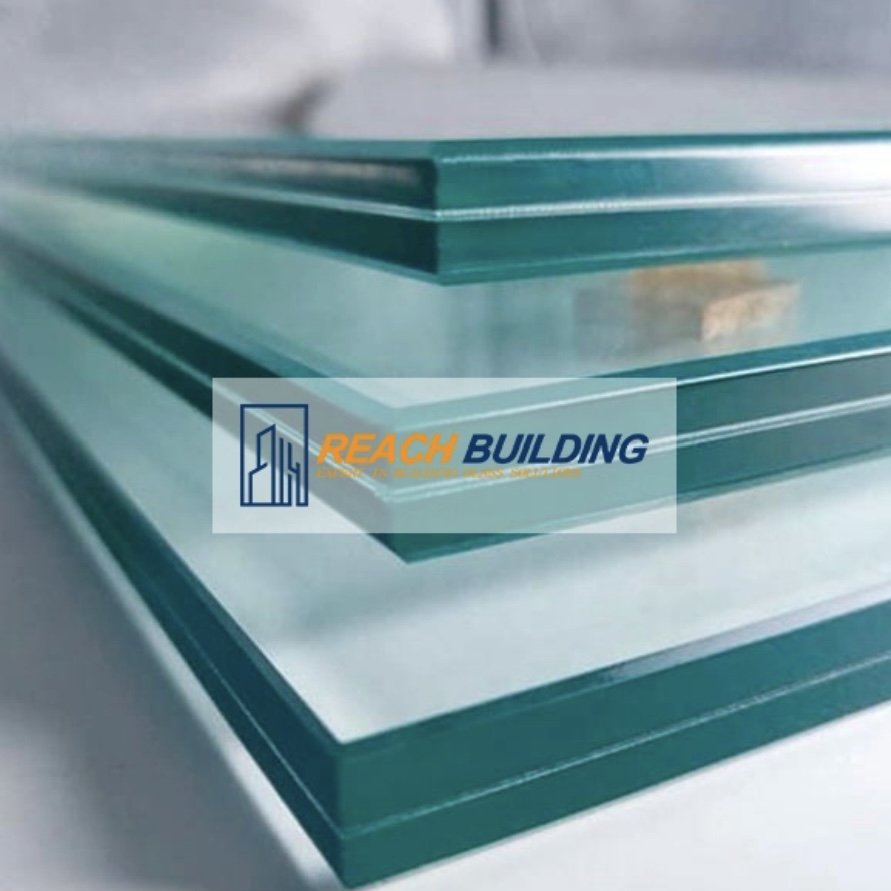
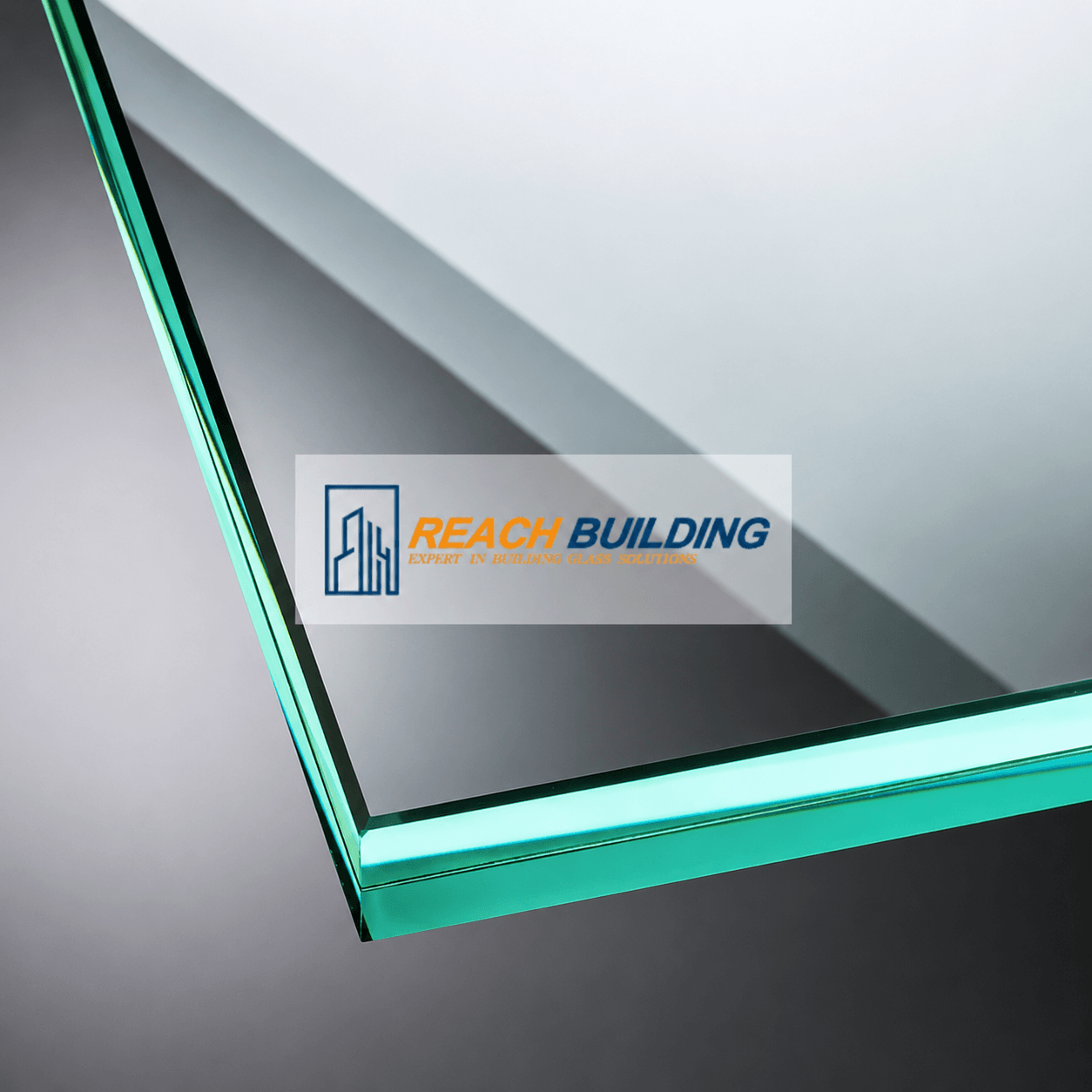
A walk-on glass floor can do more than cover a space. It can open visual connections between levels, bring daylight into selected floor areas, and create a distinctive experience underfoot. Once glass becomes part of the floor system, safety, slip resistance, load performance, glass build-up, support conditions, and installation tolerance all need to be planned carefully.
According to the project drawings and floor-use conditions, Reach Building helps confirm suitable glass build-ups and prepare custom glass panels for interior floors, stair areas, viewing platforms, and scenic glass walkways.
What Is a Walk-On Glass Floor?
A walk-on glass floor is a load-bearing glass surface designed for pedestrian use. It is also known as a glass floor, glass platform, glass deck, or structural glass flooring, depending on the project application.
Unlike traditional opaque flooring, walk-on glass creates a strong visual contrast within the space. It can attract attention, become a visual focal point, create a floating effect underfoot, and help define different areas while keeping the space open and transparent.
In most architectural applications, walk-on glass floors are made with laminated safety glass or tempered laminated glass. The final glass build-up should be selected according to the panel size, span, support structure, expected pedestrian traffic, and project safety requirements.
Walk-on glass floors are not limited to one type of project. They can be used in architectural interiors, commercial display areas, scenic public spaces, and special-use environments where transparency, visibility, or controlled observation is required. The key is to match the glass build-up, surface treatment, support method, and safety requirements to the actual application.
Turns the floor into a visual feature and helps highlight products, artwork, or interior design concepts
Scenic & Public Projects
Parks, scenic spots, glass bridges, viewing platforms, public walkways
Creates a transparent walking experience while requiring stronger attention to laminated safety glass, anti-slip treatment, and structural support
Special-Use Environments
Factories, laboratories, hospitals
Supports observation, inspection, lighting, or project-specific functional needs depending on the application
Walk-On Glass Floors for Interior Spaces
Walk-On Glass Floors for Commercial & Display Spaces
Walk-On Glass Floors for Scenic & Public Projects
How to Select Glass for Walk-On Floor Applications?
When glass becomes a walking surface, the key question is not only “Which glass looks clear?” but “Which glass can support the application safely?” Walk-on glass floors must consider laminated safety, load performance, slip resistance, edge processing, hole preparation, panel joints, and support conditions from the start.
For walk-on glass floor applications, the first priority is safety. Instead of using single tempered glass alone, laminated safety glass is generally recommended because the interlayer helps hold the glass layers together if breakage occurs. This is especially important for floors, platforms, stair treads, and viewing areas where people walk directly on the glass.
For point-supported glass floors, tempered laminated glassis usually preferred because the glass is connected through fixing points or pre-drilled holes. For public areas, scenic walkways, glass bridges, and stair treads, heat-soaked tempered glasscan also be considered to help reduce spontaneous breakage risk and improve quality control before installation.
After the safety glass build-up is confirmed, the visual effect can be further customized according to the project design. For a clearer and more premium look, Reach Building low iron laminated glass can help reduce the greenish tint of standard glass, making it suitable for luxury interiors, viewing floors, display platforms, and scenic walkways.
For residential interiors and low-traffic applications, Reach Building can customize frosted or patternedwalk-on glass panels with different surface pattern options. These finishes help create a decorative visual effect, reduce direct visibility through the floor, and improve surface friction for better slip resistance. For public-use, outdoor, or frequently walked areas, additional anti-slip treatment should be considered based on the project requirements.
The support method should be confirmed early because it affects the glass build-up, panel size, edge processing, hole preparation, and fixing details. Common walk-on glass floor systems include frame-supported, point-supported, and hybrid support methods.
Frame-Supported Glass Floors
Frame-supported glass floors use a metal frame or supporting structure to carry the glass panel along its edges. The glass is usually set on rubber pads or similar soft materials to reduce direct contact with the frame, then fixed with a cover plate or clamping detail.
The image above shows a typical frame-supported glass floor system. Each glass panel is supported by a metal frame or another frame structure, set on rubber pads for flexible contact, and fixed in place with a cover plate or clamping profile.
Three-Dimensional Schematic of Frame-Supported Glass Floor Construction
Point-Supported Glass Floors
Point-supported glass floors are fixed through pre-drilled holes with metal fittings. The principle is similar to point-supported glass curtain walls, but the fittings must mainly support downward pedestrian load and glass self-weight.
This method creates a lighter visual effect, but it requires accurate coordination of hole position, fitting type, glass thickness, and support hardware. Fittings may include countersunk or back-bolt types depending on the project design.
Point-Supported Glass Floor Construction Detail
Hybrid Glass Bridge and Walkway Systems
For glass bridges, scenic walkways, and larger public-use glass floors, the structure may combine steel framing, edge support, and point fixing.
This hybrid construction combines frame-supported and point-supported glass floor details. The steel frame provides main structural support, while point fixings help secure the laminated glass panels and coordinate with the bridge or walkway system.
Composite Glass Bridge Floor Construction Detail
Key Requirements for Walk-On Glass Floor Projects
The right walk-on glass build-up depends on how the floor will be used, supported, and processed. These key requirements help define the suitable glass thickness, laminated structure, surface treatment, and installation details.
Glass Thickness
For laminated floor glass, the thickness difference between each single glass ply should not be greater than 3 mm, and the interlayer thickness should not be less than 0.76 mm.
For frame-supported floor glass, each individual glass lite should generally be no less than 8 mm thick. For point-supported floor glass, each individual glass lite should generally be no less than 10 mm thick.
Edge Processing, Holes, and Notches
Floor glass panels should have mechanically ground and chamfered holes and edges. Fine grinding is recommended, and the chamfer width should not be less than 1 mm.
Reach Building can process holes, polished edges, chamfers, and notches according to confirmed glass drawings, helping the glass panels match the required support system and installation details.
Different walk-on glass applications require different load performance, from residential floors and commercial display areas to public viewing platforms and scenic glass bridges.
The glass build-up should be selected according to panel size, span, support method, and expected pedestrian traffic, with final load requirements confirmed by the project engineer or local building code. Based on these confirmed requirements, Reach Building can help turn the load design into a suitable glass configuration for production.
Anti-Slip Surface
Walk-on glass floors need a suitable anti-slip surface, especially for stair treads, outdoor platforms, scenic walkways, shopping malls, and other public-use areas. Rain, moisture, dust, cleaning residue, and frequent foot traffic can all affect walking safety.
Reach Building can provide anti-slip surface treatment for walk-on glass floor panels. The glass surface is processed with a multi-layer technique and coated with a special anti-slip layer, which is sintered with the glass and becomes part of the glass surface.
When the glass floor is close to an open edge or level change, a matching glass railing system can help provide edge protection while keeping the space open and transparent. For stair or level-change areas, Reach Building can also support related applications such as glass balustrades and railing systemsand glass stair panels to coordinate with the walk-on glass floor design.
A successful walk-on glass floor depends on the right balance of safety, load performance, anti-slip treatment, glass build-up, and processing details. Reach Building can supply customized glass panels according to your project drawings and application requirements. Contact our team to discuss your walk-on glass floor, glass stair area, viewing platform, or scenic glass walkway project.
FAQ About Walk-On Glass Floors
1. What type of glass is used for walk-on glass floors?
Walk-on glass floors usually use laminated safety glass. The glass build-up can include tempered laminated glass, low iron laminated glass or other project-specific laminated glass options, depending on the required load, support method, and visual effect.
2. How thick should walk-on glass floor panels be?
The glass thickness depends on panel size, span, support method, and load requirements. As a general reference, each individual glass layer for frame-supported floor glass should be no less than 8 mm thick, while each individual glass layer for point-supported floor glass should be no less than 10 mm thick.
3. Is walk-on glass safe to use as flooring?
Yes, when the glass is properly designed as laminated safety glass and matched to the required load performance. The final glass build-up should be confirmed according to the project engineer’s requirements, local building code, support structure, and expected pedestrian traffic.
4. Can walk-on glass floors be made anti-slip?
Yes. Reach Building can provide anti-slip surface treatment for walk-on glass floor panels. The anti-slip layer is processed onto the glass surface to help improve walking safety while maintaining the transparent appearance of the glass.
5. Can walk-on glass floors remain transparent after anti-slip treatment?
Yes. Anti-slip treatment can be selected to improve surface friction while keeping the glass relatively clear. The final visual effect may vary depending on the selected anti-slip pattern, surface treatment, and glass build-up.
6. What is the difference between frame-supported and point-supported glass floors?
Frame-supported glass floors are supported along the edges by a frame or bearing structure. Point-supported glass floors use fixing points or hardware to support the panel. These two systems have different requirements for glass thickness, hole position, edge processing, and installation tolerance.
7. Can holes, notches, and polished edges be prepared before delivery?
Yes. Reach Building can provide factory processing such as pre-drilled holes, polished edges, chamfers, notches, and shaped corners according to confirmed glass drawings. For floor glass, holes and panel edges should be mechanically ground and chamfered.
Miracle Co-founder of Reachbuilding
Miracle owns a glass factory that has been in operation for 40 years. His family has been engaged in the construction industry for over 60 years and possesses extensive engineering and production experience. At Reach Building, he focuses on product technical support, custom solutions, and industry trend analysis for global dealers, contractors, and builders.In his column, Miracle shares practical insights, project case studies, and expert advice to help construction professionals select the right glass for safer, more energy-efficient buildings.
With nearly 30 years of experience in building materials, REACH BUILDING provides customized glass products and technical solutions for global construction and interior projects.
We use cookies to enable all functionalities for best performance during your visit and to improve our services by giving us some insight into how the website is being used. Continued use of our website without having changed your browser settings confirms your acceptance of these cookies. For details please see our privacy policy.