The terms SPD and PDLC can make smart glass selection sound more technical than it needs to be. In practice, the choice becomes much clearer once you identify your project’s main priority: shading or privacy.
At REACH BUILDING, these two needs are addressed by SpectraNyx SPD Smart Glass and SpectraVeil PDLC Smart Glass. SpectraNyx is designed for dynamic tinting, daylight and glare control, while SpectraVeil provides switchable privacy and flexible visual separation. If you are not yet familiar with smart glass, you can first read our article: Smart Glass ROI: How SpectraNyx & SpectraVeil Redefine Modern Buildings.
This guide compares their visual effects, core functions, suitable applications, and key selection factors to help you determine which technology better fits your project.
SPD vs PDLC Smart Glass: Key Differences
To make the choice clearer, let’s compare how each technology changes the glass, how it is controlled, and where it performs best.
1.Glass Effect
The most visible difference between SPD and PDLC is the effect the glass creates after switching.
Switch SPD Smart Glass
Switch PDLC Smart Glass
SPD | Tinted Transparency
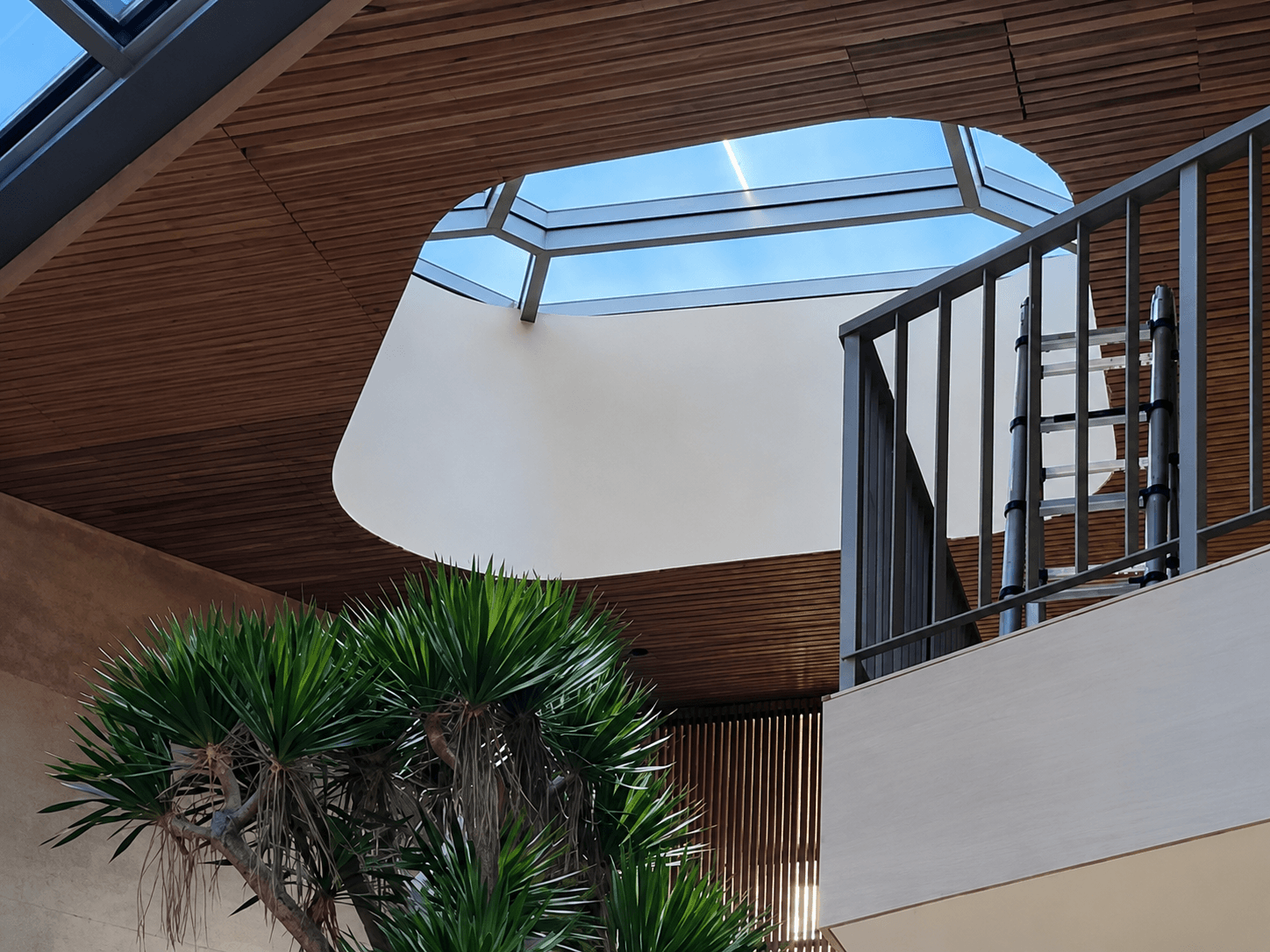
SPD glass remains clear and transparent when powered, then changes to a deep tint when the power is off. In REACH BUILDING’s SpectraNyx SPD Smart Glass, visible light transmittance can be adjusted across a wide range, from approximately 55%–65% down to just 1%–2%.At the darkest setting, even intense daylight is reduced to a very low level, creating a noticeably calmer visual environment without turning the glass opaque or removing the outside view.
PDLC | Frosted Privacy
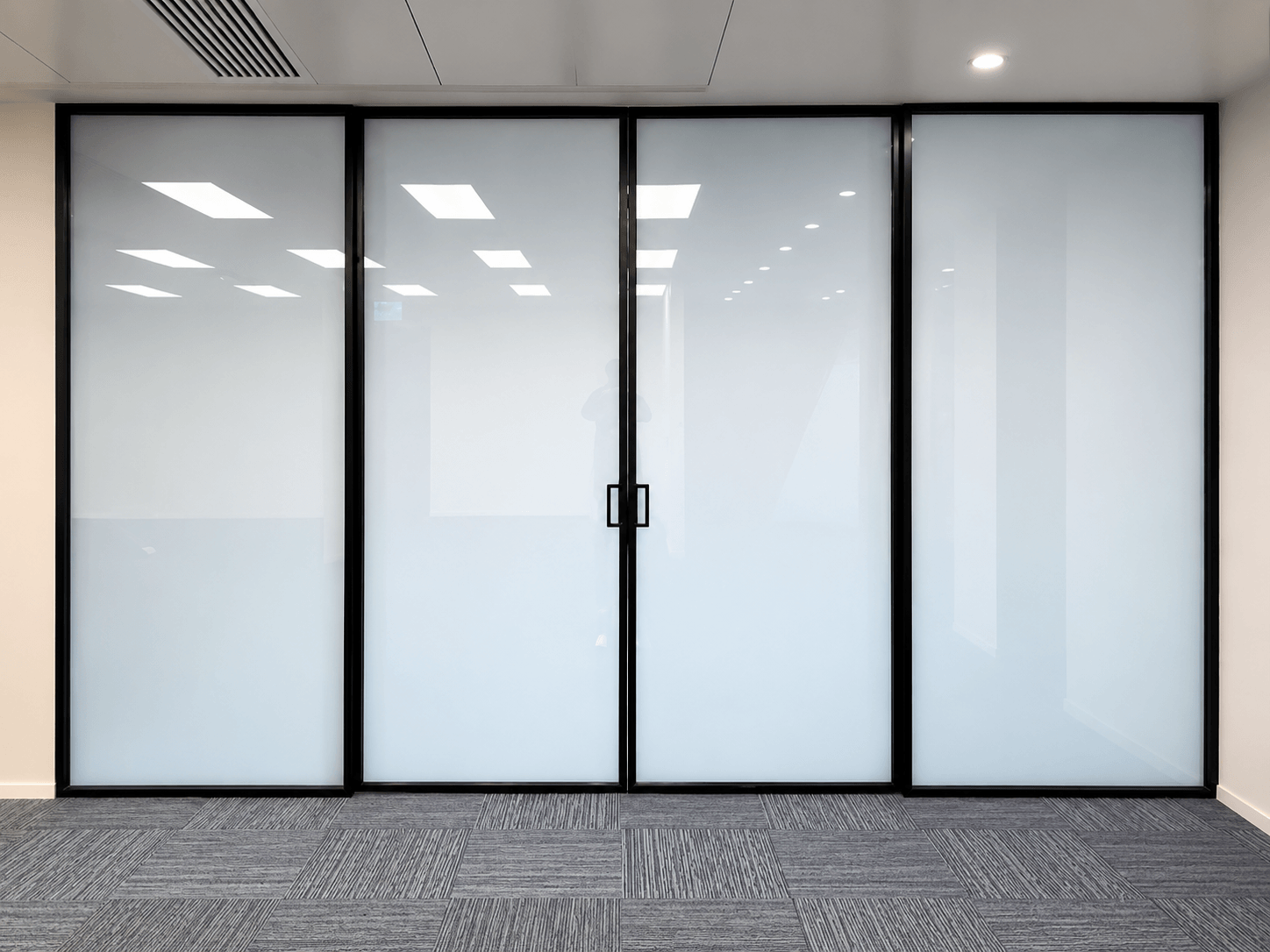
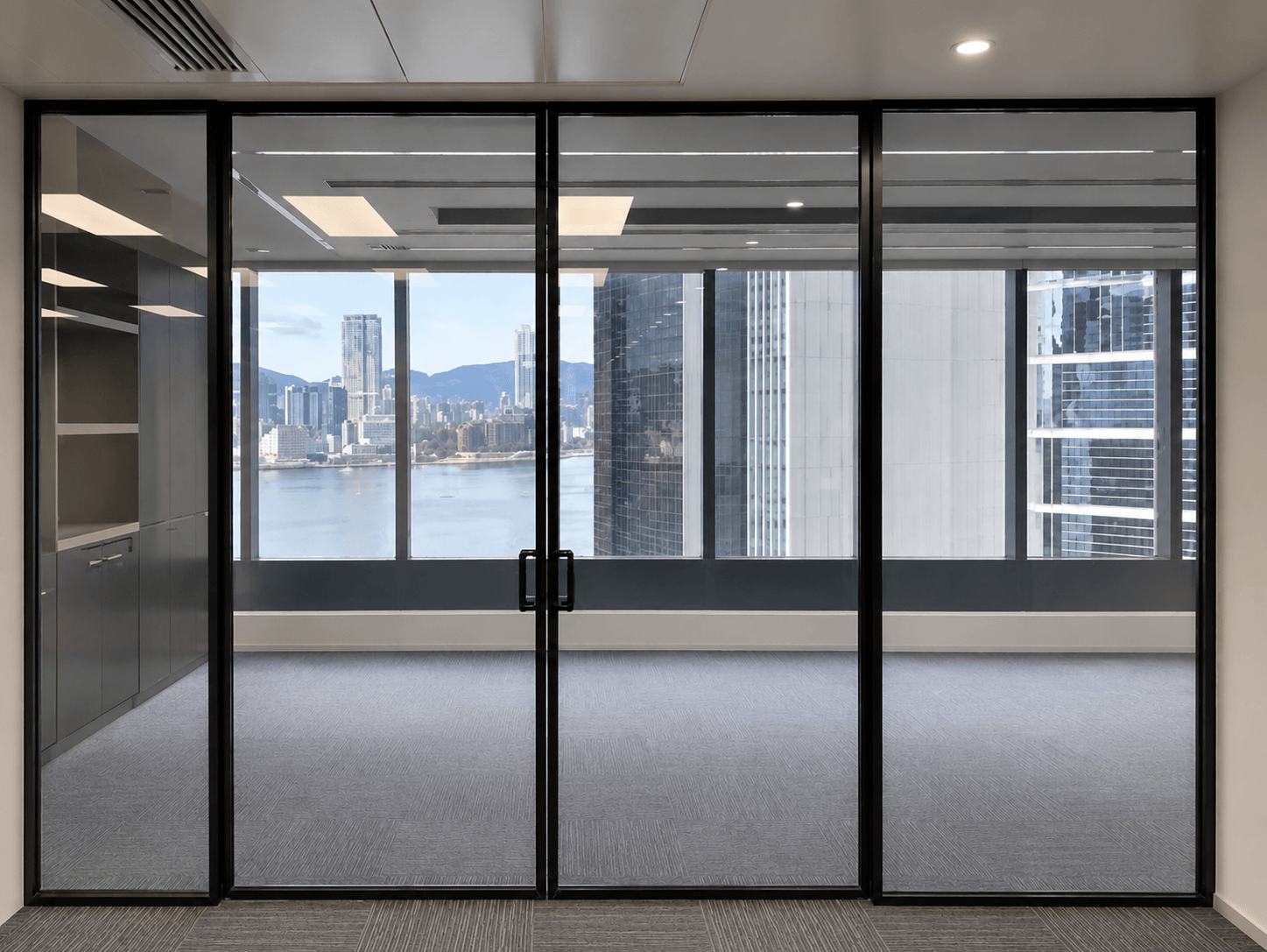
PDLC glass is transparent when powered and changes to a milky-white frosted surface when the power is off. In SpectraVeil PDLC Smart Glass, average haze increases from around 2.5% in the clear state to more than 99% in the frosted state.This creates a strong visual shift: the space remains open and connected when clear, while people and interior details become difficult to see in privacy mode. Because the glass scatters rather than blocks light, the room can still feel bright instead of enclosed.
2.Light & Privacy
In functional terms, the two technologies serve different priorities.
The Shading Priority (Represented by SpectraNyx™ SPD)
SPD technology is designed for spaces where the view should remain part of the experience. It reduces harsh brightness and glare without replacing the window with a blind or frosted surface, making façades, skylights, panoramic windows, and vehicle glazing more comfortable while maintaining visual connection with the outdoors. REACH BUILDING’s SpectraNyx SPD Smart Glass also provides a 99.9% UV blocking rate, helping protect interior finishes, furniture, displays, and equipment from prolonged UV exposure while preserving an open view.
The Privacy Priority (Represented by SpectraVeil™ PDLC)
PDLC technology is designed for spaces where privacy needs to be available on demand. In its frosted state, it conceals people, objects, and activities behind the glass, creating clear visual separation for meeting rooms, bathrooms, healthcare areas, and private workspaces. With more than 99% haze in privacy mode, REACH BUILDING’s SpectraVeil PDLC Smart Glass provides a strong visual barrier while continuing to diffuse natural light through the room. The space remains bright and open without relying on curtains or solid partitions.
3. Control
The control difference is equally clear: SpectraNyx SPD Smart Glass supports continuous dimming through multiple control options, while SpectraVeil PDLC Smart Glass uses an ON/OFF controller for direct, near-instant switching.
SPD | Continuous Dimming
SPD technology allows users to select the level of shading rather than choosing only between fully clear and fully dark.
REACH BUILDING’s SpectraNyx SPD Smart Glass can use a compact controller or remote for smaller installations, while larger projects can add touch-screen interfaces, independent glass zones, preset scenes, apps, schedules, daylight sensors, smart home systems, or BMS integration.
Compact USB control for individual SPD glass panels.
Remote control for convenient tint adjustment.
Touchscreen and app control for larger SPD glass installations.
Smart home integration for automated SPD glass control.
The glass can also be divided into top-and-bottom, side-by-side, or customized control zones, enabling different areas to respond separately to changing sunlight and space requirements. REACH BUILDING can match the controllers, power supplies, drivers, and wiring plan to anything from a single panel to a full-building smart glazing system.
PDLC | Direct Switching
PDLC technology uses an ON/OFF controller to switch between transparent and frosted states.
Simple ON/OFF control for instant PDLC glass switching.
In REACH BUILDING’s SpectraVeil PDLC Smart Glass, a standard controller is enough to manage the change without requiring users to select tint levels or configure complex shading scenes. The transition takes less than 45 milliseconds from frosted to clear and less than 100 milliseconds from clear to frosted, so privacy appears or disappears almost instantly.Single panels, grouped zones, and larger glass areas can still be controlled separately when required.
4. Design Options
SPD and PDLC can both become part of the architectural design, but they offer different creative directions: SPD works with tint and transparency, while PDLC works with frosting, patterns, and display surfaces.
SPD | Tint & Branding
SPD technology allows the glass tint itself to become a design element without sacrificing transparency. It is well suited to façades, skylights, showrooms, retail spaces, and refined interiors where the glass should respond to changing light while maintaining a clean, uninterrupted view.
REACH BUILDING’s SpectraNyx SPD Smart Glass can support customized brand logos, patterns, and visual effects. This allows a project to integrate shading, architectural identity, and branded glass effects into the same surface instead of adding separate blinds, films, or decorative panels.
PDLC | Pattern & Display
PDLC technology offers greater flexibility in how and where the frosted effect appears. It can be produced in customized sizes and shapes, applied as a partial privacy area, or arranged into patterns that remain visible when the glass changes state.
With SpectraVeil PDLC Smart Glass and Film, projects can create custom patterns, partial frosting, and shaped privacy effects for doors, partitions, windows, and commercial spaces. SpectraVeil Film is also available in white and gray: white creates a brighter, cleaner frosted appearance, while gray provides a more subdued visual tone and stronger shading impression. In frosted mode, the glass can also serve as a projection or display surface, allowing a meeting-room partition or retail window to take on an additional presentation function without installing a separate screen.
Custom privacy patterns and projection display with SpectraVeil PDLC Smart Glass.
5. Applications
Application fit depends less on the building type itself and more on what each glass surface needs to achieve. SPD is generally better suited to glazing where sunlight and the outside view must be managed together, while PDLC is better suited to spaces that need privacy or visual separation on demand.
SPD | View-Focused Glazing
SPD technology is commonly used where changing sunlight must be controlled without losing the view:
SPD glass for daylight control in facades and curtain walls.
SPD glass for glare-free panoramic and automotive views.
Facades and curtain walls: Adjusts tint as exterior light conditions change while preserving visual connection with the surroundings.
Skylights and sunrooms: Reduces strong overhead brightness where conventional blinds may be difficult to install or maintain.
Panoramic and viewing windows: Controls glare without turning the glass opaque or interrupting the view.
Automotive and equipment glazing: Creates a more comfortable viewing environment while preserving a clear, uninterrupted outdoor view.
SPD is therefore particularly suitable where shading, comfort, and view retention must work together.
PDLC | Privacy-Focused Spaces
PDLC technology is commonly used where a space needs to alternate quickly between openness and privacy:
PDLC glass for instant privacy in offices and meeting rooms.
PDLC glass for bright, private bathrooms and healthcare spaces.
Office partitions and meeting rooms: Keeps the workspace visually open, then provides privacy when a meeting begins.
Hotel bathrooms and residential interiors: Creates separation only when needed without adding curtains or solid walls.
Healthcare and banking spaces: Conceals people, activities, or sensitive information while keeping the surrounding area bright.
Retail and presentation spaces: Allows the frosted glass to serve as a projection or display surface.
PDLC is therefore better suited to spaces where privacy, flexible separation, or display functions are the main priority.
6. Combined Use
SPD glass and PDLC glass do not always need to compete for the same project. When different glazing areas serve different purposes, the two technologies can be used together—SPD glass for areas that need shading and clear views, and PDLC glass for areas that need privacy.
Project Type
SPD Glass
PDLC Glass
Hotels
Panoramic windows, facades, and other sun-exposed glazing
Bathroom partitions and private guest areas
Office Buildings
Exterior glazing, curtain walls, and skylights
Meeting rooms, executive offices, and internal partitions
High-End Residences
Sunrooms, roof glazing, and view-facing windows
Bedrooms, bathrooms, and flexible interior separation
Healthcare Facilities
Sun-exposed exterior windows
Treatment rooms, consultation areas, and observation partitions
Vehicles and Cabins
Roofs and panoramic windows
Internal privacy dividers
No single smart glass technology fits every project.Instead of a single technology, REACH BUILDING evaluates each surface independently to match its exact environment. For projects involving both requirements, REACH BUILDING’s technical team can review your glazing areas and priorities to recommend the most cost-effective SPD, PDLC, or combined solution..
7. Selection Summary
Use the primary requirement of each glazing area to guide the final choice:
Project Priority
Recommended Technology
Best Fit
Adjustable shading, glare reduction, and clear outside views
SPD Glass
Facades, skylights, panoramic windows, sunrooms, and automotive glazing
Instant privacy, visual separation, or projection
PDLC Glass
Office partitions, meeting rooms, bathrooms, healthcare spaces, and display surfaces
Different functions across separate glazing areas
SPD + PDLC Glass
Hotels, offices, residences, healthcare facilities, and vehicles with both shading and privacy needs
Beyond Selection: Building a Project-Ready Smart Glass Solution
Choosing between SPD and PDLC defines the effect the glass needs to create, but a reliable project also depends on how that technology is configured, controlled, tested, and installed. REACH BUILDING supports these steps so that the selected smart glass works as intended within the complete glazing system.
Select | Match the Technology to the Project
REACH BUILDING starts with the result each glazing area needs to deliver—adjustable shading, retained views, instant privacy, projection, or a combination of functions. Our technical team translates these priorities into a clear SpectraNyx SPD, SpectraVeil PDLC, or combined solution, ensuring the selected technology perfectly matches how the space will actually be used.
SpectraNyx SPD glass selection for a facade project.
SpectraVeil PDLC glass selection for an interior project.
Configure | Coordinate Glass, Controls, and Wiring
Once the technology is selected, REACH BUILDING develops it as a complete smart glazing system rather than an isolated glass panel. The team coordinates the glass or film format, glass build-up, panel layout, control zones, controllers, power supplies, wiring routes, and electrical connection positions around the project design.
Solutions can range from a single panel with a compact controller to independently controlled glazing zones connected to sensors, smart home platforms, or a BMS. Wiring and connection points can also be planned around the frame so that cables remain concealed and the finished installation looks clean and integrated.
Project examples of pre-planned smart glass wiring layouts.
With the wiring planned and concealed in advance, no exposed cables remain visible after installation, creating a clean, seamless, and premium architectural finish.
For a closer look at how REACH BUILDING coordinates the glass, wiring, controls, and installation, see our Smart Glass Project Planning Guide.
Wiring should be considered from the design stage, especially for custom glass layouts, independent control zones, patterns, or branded effects.
Have a unique concept for your project? Work with REACH BUILDING to develop a customized smart glass solution and bring the design to life.
Verify | Support Technical Approval with Real Data
REACH BUILDING provides project-relevant performance data and independent test documents covering visible light transmittance, haze, switching response, power consumption, operating temperature, UV performance, and other key specifications. These materials help architects, consultants, contractors, and buyers verify the required performance during technical review and approval.
Support | Keep the Project Moving from Drawings to Installation
As the project moves from drawings to installation, REACH BUILDING not only reviews the glass, control, and installation configurations, but also turns these details into practical guidance through technical documents, videos, online meetings, and step-by-step instructions.
Recommended tools and materials from REACH BUILDING’s step-by-step Smart Film Installation Guide.
When physical confirmation is needed, you can also request a smart glass sample to evaluate the actual tint range, transparency, privacy effect, switching response, and overall appearance. Together, these support services help designers, contractors, electrical teams, installers, and procurement staff stay aligned, reducing specification gaps, installation uncertainty, and late-stage changes.
Whether your project requires SPD glass, PDLC glass, or a combination of both, REACH BUILDING can provide a SpectraNyx™ and SpectraVeil™ solution aligned with your glazing layout, functional priorities, and design goals. If you are still unsure which technology best fits your project, you can always reach out to our team—we will be more than happy to review your requirements and help you make the right choice.
Miracle Co-founder of Reachbuilding
Miracle owns a glass factory that has been in operation for 40 years. His family has been engaged in the construction industry for over 60 years and possesses extensive engineering and production experience. At Reach Building, he focuses on product technical support, custom solutions, and industry trend analysis for global dealers, contractors, and builders.In his column, Miracle shares practical insights, project case studies, and expert advice to help construction professionals select the right glass for safer, more energy-efficient buildings.
With nearly 30 years of experience in building materials, REACH BUILDING provides customized glass products and technical solutions for global construction and interior projects.
We use cookies to enable all functionalities for best performance during your visit and to improve our services by giving us some insight into how the website is being used. Continued use of our website without having changed your browser settings confirms your acceptance of these cookies. For details please see our privacy policy.