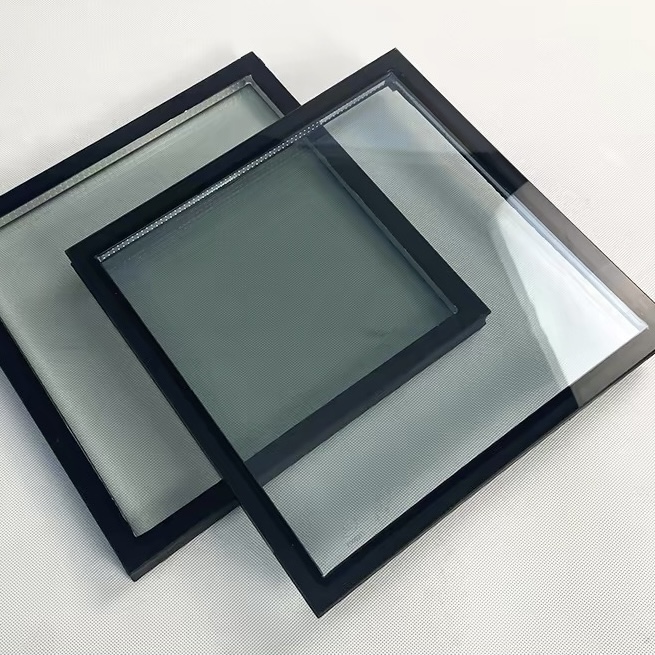
Modern buildings need more from glass than simple transparency. For windows, doors, curtain walls, railings, skylights, partitions, and shower rooms, glass may need better strength, safety, sound control, energy performance, or decorative effects.
This is where glass processing, or glass fabrication, becomes important.
As someone with 12 years of experience in the architectural glass industry, I’ve worked closely with architects, project teams, and clients to understand real-world glass fabrication needs.
I’ll use the advanced automated deep-processing production line at Reach Building as a practical example, showing how different types of processed glass are made.
Table of Contents
Toggle
Step-by-Step Glass Processing Workflow
From One Glass Sheet to Multiple Final Products
1. Raw Glass Sheets / Float Glass
Processing usually starts with a raw glass sheet. Depending on your project, this could be clear float, ultra-clear, tinted, coated, or Low-E glass. I always remind clients that the original sheet sets the foundation—thickness, color, and light transmission all affect the final result.
2. Automatic Glass Storage & Loading
Automated storage and loading systems select and transfer sheets with minimal manual handling. This reduces scratches and breakage, especially on large panels, and keeps production consistent.
3. Glass Sorting & Positioning
Sheets are sorted and positioned to ensure they enter equipment correctly. Misalignment can cause cutting errors or inconsistent edges, so proper sorting is crucial.
4. Laser Marking Optional + CNC Cutting
Laser marking can add batch codes, compliance marks, or branding. Cutting defines the final dimensions. One common mistake I see: trying to cut tempered glass later—this isn’t possible, so verify measurements first.
5. Washing After Cutting
After cutting, sheets are washed to remove glass dust and debris. This helps prevent scratches or contamination in later processes.
6. Edge Grinding & Polishing
Edges are polished to improve safety, aesthetics, and tempering stability. Poorly finished edges can increase breakage risk during tempering.
7. Washing & Drying
A quick wash and dry keeps the sheet clean before the next step. Clean surfaces reduce defects in tempering, laminating, or coating.
8. CNC Processing: Drilling, Notching, and Custom Shapes
At this stage, CNC equipment is used for drilling holes, creating notches, or cutting custom shapes for doors, railings, shower enclosures, and other architectural applications.
A key point I always emphasize: all drilling, notching, and shaping must be finished before tempering, otherwise the glass cannot be modified later. This step ensures your hardware fits perfectly and the tempered glass remains safe and stable.
9. Second Washing
A final wash removes residues from drilling or CNC work. This minimizes stains, bubbles, or inclusions in the finished product.
Table 1: What Must Be Done Before Tempering?
Process
Before Tempering?
After Tempering?
Notes
Cutting
Yes
No
Final size must be confirmed before tempering
Edge Grinding
Yes
No
Edge quality affects tempering stability
Drilling
Yes
No
Hole size and position must match drawings
Notching
Yes
No
Common for doors, railings, and hardware systems
Shape Cutting
Yes
No
Includes corners, curved edges, and special designs
Printing / Coating
Depends
Depends
Sequence depends on material and process type
Laminating
Usually after preparation
Yes
Can use annealed, heat-strengthened, or tempered glass
Insulating
Usually after preparation
Yes
Often combined with tempered or Low-E glass
Types of Processed Glass and How They Are Made
Once the glass sheet has gone through basic preparation, it can follow different processing routes. Each route produces properties that naturally determine where the glass works best. I often explain these connections to clients, because understanding them avoids costly mistakes.
After cutting, edge finishing, washing, and any CNC preparation, the glass enters a tempering furnace. Rapid heating and cooling create compressive stress on the surface and tensile stress inside.
This is what gives tempered glass its high strength and makes it resistant to thermal shock. If it does break, the fragments are small and safer.
Because of these characteristics, I usually recommend tempered glass for doors, railings, shower enclosures, and curtain walls—areas where both strength and safety matter most.
⚠️ A common oversight: once tempered, glass cannot be modified. Make sure all dimensions, holes, and notches are finalized beforehand.
Heat Soaked Tempered Glass
Tempered glass can go a step further with a heat soak test. By holding it at a controlled temperature, panels with nickel sulfide inclusions are triggered to fail before installation.
In fact, you still get tempered glass, but with reduced risk of spontaneous breakage. I find this especially useful for high-rise façades, skylights, or public buildings where replacements are costly and disruptive.
For laminated glass, the key is the interlayer. During production, PVB, SGP, EVA, or another interlayer is placed between two or more glass sheets and bonded under heat and pressure.
Once bonded, the glass no longer behaves like separate sheets. If breakage occurs, the interlayer helps hold the fragments together instead of letting them fall freely.
That is why laminated glass is often used in skylights, glass floors, railings, partitions, and other areas where the glass must stay in place even after breakage. It can also support acoustic or decorative requirements when the project needs more than basic safety.
⚠️A tip I often give clients: laminated does not always mean tempered laminated; the layers can be a mix of annealed, heat-strengthened, or tempered glass depending on the project.
IGU consists of two or more panes separated by a sealed cavity filled with air or gas. This design improves thermal insulation, reduces energy consumption, and enhances indoor comfort.
It’s a go-to solution for energy-efficient windows, curtain walls, and residential or commercial buildings. In my experience, combining IGU with tempered or Low-E glass often provides the best balance of strength, efficiency, and comfort.
In architectural applications, coated glass is generally divided into two main categories: reflective glass and Low-E glass. Both use functional surface coatings to control solar heat, visible light, and exterior appearance.
Processing requirements vary by coating type, with some products coated before tempering and others after. Low-E glass performs particularly well in insulated glass units, improving energy efficiency while preserving natural daylight. I often point out to clients that Low-E coatings are particularly effective when combined with IGU or tempered glass, giving energy efficiency without compromising natural light.
⚠️ Pro tip: the processing order isn’t fixed—focus on your project requirements and whether the glass will be tempered.
Combined Processed Glass Solutions
In real projects, one process rarely suffices. Tempered, laminated, coated, and insulated processes are often combined to meet safety, thermal, acoustic, and design goals.
Examples I frequently encounter include:
Tempered Laminated Glass
Heat Soaked Tempered Laminated Glass
Low-E Insulated Glass
Laminated Insulated Glass
Curved or Decorative Laminated Glass
This is where experience makes a difference. A processor who can integrate tempering, laminating, insulating, coating, CNC customization, and decorative finishes ensures the final glass performs as expected.
Reach Building, for example, can tailor solutions based on your drawings, installation method, and performance needs, making coordination across multiple processes much easier.
Table 2: From One Glass Sheet to Multiple Final Products
One of the biggest misconceptions I see is that different glass products come from completely different materials. In reality, the same glass sheet can become very different products depending on the processing route.
When you choose processed glass for a project, the product itself is only one part of the decision. The processing route, drawing review, hole positions, edge quality, tempering sequence, and final assembly all affect whether the glass can be installed smoothly on site.
That is why I always suggest working with a processor that understands the full fabrication workflow, not just one single process.
Reach Building is a good example of this approach. With over 20 years of manufacturing experience and an advanced automated deep-processing production line, they can support different architectural glass requirements from drawings to finished products, helping you reduce rework and keep the project moving with fewer surprises.
FAQ
What is processed glass?
Processed glass is glass that has been cut, edged, drilled, tempered, laminated, insulated, coated, or otherwise fabricated after the raw glass sheet is produced.
Can tempered glass be cut or drilled after tempering?
No. Once glass is tempered, it cannot be cut, drilled, notched, or edge-polished again.
Is laminated glass always tempered?
No. Laminated glass can be made with annealed, heat-strengthened, or tempered glass depending on your project requirements.
Is Low-E glass the same as insulated glass?
No. Low-E glass is coated glass, while insulated glass is a sealed multi-pane unit. They are often combined into Low-E insulated glass units.
What is heat soaked tempered glass?
Heat soaked tempered glass is tempered glass that undergoes an additional heat soak test to reduce the risk of spontaneous breakage.
Miracle Co-founder of Reachbuilding
Miracle owns a glass factory that has been in operation for 40 years. His family has been engaged in the construction industry for over 60 years and possesses extensive engineering and production experience. At Reach Building, he focuses on product technical support, custom solutions, and industry trend analysis for global dealers, contractors, and builders.In his column, Miracle shares practical insights, project case studies, and expert advice to help construction professionals select the right glass for safer, more energy-efficient buildings.
With nearly 30 years of experience in building materials, REACH BUILDING provides customized glass products and technical solutions for global construction and interior projects.
We use cookies to enable all functionalities for best performance during your visit and to improve our services by giving us some insight into how the website is being used. Continued use of our website without having changed your browser settings confirms your acceptance of these cookies. For details please see our privacy policy.