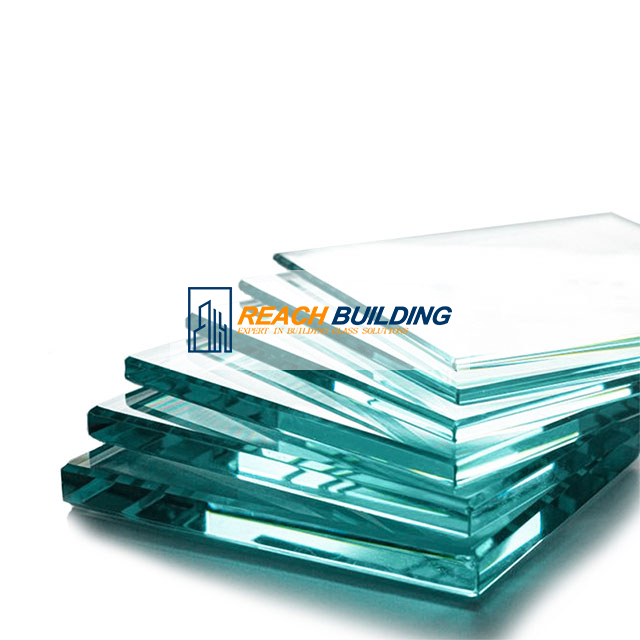
Secondary glass processing heavily relies on the initial substrate. Final product yield and optical quality strictly depend on the integrity of the base material. Substandard base glass introduces invisible stresses. It also contains thickness variations and microscopic surface anomalies. These hidden defects often cause catastrophic failures inside tempering furnaces. They also trigger severe coating delamination during downstream processing operations. The processing margins shrink rapidly when scrap rates climb due to poor material inputs.
To protect your margins and production timelines, processors must evaluate clear float glass carefully. You should view it as a heavily toleranced engineered substrate rather than a cheap, interchangeable commodity. The following guide explores critical technical specifications necessary for high-yield production. It highlights hidden processing risks and outlines actionable testing protocols. You will learn how to identify high-quality materials and select reliable partners for your processing lines.
Key Takeaways
Yield depends on the substrate: Minor thickness variations in base float glass exponentially increase processing defect rates.
Optical clarity is measurable: True quality is defined by strict adherence to light transmission metrics and low optical distortion limits.
Supplier logistics matter as much as the glass: Proper packaging (e.g., interleaving powder, moisture-controlled crates) is critical to preventing surface degradation before processing.
Vetting requires pilot testing: A reliable float glass supplier will support sample runs to validate cutting, edging, and thermal stability in your specific facility.
The hidden costs of sub-optimal clear float glass in processing
Many buyers focus solely on securing the lowest cost per square meter. This mindset completely ignores the total cost of processing yield. Processing yield dictates your actual factory profitability. You must view material quality as a strict risk-mitigation strategy. It is never just a basic procurement line item on a spreadsheet. Inferior materials inflate your scrap rates and destroy production schedules.
Let us examine the severe tempering risks. Inferior glass often conceals uneven internal stress. It might also harbor microscopic scratches along the factory-cut edges. These invisible flaws create dangerous weak points. Heating this material inside a tempering furnace triggers rapid thermal expansion. The glass explodes explosively inside the chamber. Such breakages cause significant production downtime. They also damage expensive ceramic furnace rollers. Your maintenance team loses valuable hours cleaning out glass shards. The initial cheap purchase price quickly transforms into a massive financial loss.
Coating and laminating failures represent another hidden danger. Magnetron sputtering requires a pristine, chemically reactive surface. Uneven flatness directly degrades the adhesion of Low-E coatings. Surface contamination acts as a physical barrier. The vacuum coating simply flakes off over time. Laminating processes face similar hurdles. PVB or SGP interlayers demand perfectly flat substrates. Wavy glass prevents uniform pressure during the lamination cycle. Air bubbles become trapped between the panes permanently. The laminated units fail strict quality inspections. They require immediate and costly remanufacturing.
Consider these common processing mistakes:
Focusing only on raw material prices while ignoring daily scrap rates.
Accepting glass crates exhibiting visible moisture damage or water stains.
Skipping edge deletion checks before running panels into the tempering furnace.
Failing to measure incoming thickness variations before setting lamination rollers.
Technical evaluation criteria for base float glass
You need a concrete, standard-driven checklist. Evaluating spec sheets requires strict technical metrics. Let us break down the essential parameters for high-quality base float glass. Guesswork has no place in secondary processing.
Dimensional tolerances and flatness matter immensely. Acceptable thickness variations must remain extremely tight. For standard 3mm to 6mm thicknesses, deviations should never exceed +/- 0.2mm. Automated cutting lines rely entirely on consistent thickness. Fluctuations cause the automated cutting wheel to skip or jump. This skipping creates jagged edges. Jagged edges inevitably lead to tempering breakages. You must also measure bow and warp precisely. Excessive bow prevents the pane from lying flat on the cutting table. The resulting uneven pressure ruins the scoring line.
Optical quality requires careful defect mapping. True quality relies on exact light transmission percentages (TL). Standard clear sheets contain residual iron oxide. Iron oxide produces a slight green tint visible on the edges. You must verify allowable iron content for your specific application. Regulatory standards like EN 572 or ASTM C1036 dictate permissible defects. They strictly limit point defects per square meter. Point defects include gaseous bubbles and unmelted silica seeds. These standards also restrict linear defects like scratches. High-quality sheets strictly comply with these international limits.
Surface energy and cleanliness affect downstream chemical adhesion. Factories often apply anti-stain chemical treatments. These treatments prevent severe corrosion during ocean transit. However, you must balance this protective layer against washability. Processors need surfaces they can easily wash using standard industrial equipment. Stubborn anti-stain residues ruin Low-E coating applications. The coating will fail to bond correctly to the glass surface.
Technical Evaluation Metrics for Processing Substrates
Technical Metric
Standard Requirement
Impact on Processing
Thickness Tolerance
+/- 0.2mm (for 3mm-6mm)
Ensures clean scoring and uniform tempering behavior.
Optical Distortion
< 2 millidiopters
Maintains clear, undistorted views in architectural facades.
Point Defects (Seeds/Bubbles)
< 0.5mm per square meter
Prevents visual rejection in high-end OEM displays.
Surface Tension
High washability index
Guarantees permanent Low-E coating adhesion.
Matching industrial glass material specs to OEM applications
Different end-uses require highly specific baseline qualities. You cannot use a universal approach for procurement. Demonstrating expertise means selecting the exact industrial glass material for the designated application. Misaligned specifications lead to immediate product failures in the field.
Automotive processing demands extreme precision. Windshields and side windows require ultra-flat profiles. You must source high-transmission OEM float glass for this sector. Automotive glass undergoes severe bending angles during shaping. Any residual internal stress causes the windshield to snap inside the bending mold. High optical clarity remains absolutely non-negotiable. Drivers need zero visual distortion at acute viewing angles. Head-up displays (HUD) also require flawless surfaces to project digital information clearly.
Architectural facades present entirely different challenges. Modern skyscrapers require heavy thickness availability. Suppliers must provide reliable 8mm to 19mm options constantly. These heavy panes must withstand massive wind loads. They also need strict compatibility with complex magnetron sputtering. Vacuum coatings reflect solar heat efficiently. The base material must offer a flawless, uncontaminated surface for this chemical bonding. Poor surface quality ruins the facade's thermal performance and visual aesthetics.
Appliance and interior display markets prioritize visual aesthetics. High-end consumer products rely on true-color rendering. You should utilize low-iron options for these specific applications. Removing the green edge tint enhances the final visual appeal. Edge-work compatibility also plays a vital role here. Glass shelves and oven doors feature highly exposed, polished edges. The material must withstand aggressive grinding and polishing without micro-fracturing. Clean edges prevent thermal shock during rapid oven heating cycles.
To match specifications successfully, follow this priority sequence:
Identify the final consumer application and environmental stress factors.
Determine the required thickness and structural wind-load resistance.
Select the appropriate iron content for targeted visual clarity.
Verify surface readiness for any planned vacuum or Low-E coatings.
Essential criteria for selecting a reliable float glass supplier
Smart procurement focuses heavily on supply chain security. Commercial trust dictates your long-term success. You must evaluate a float glass supplier far beyond their initial quote. A cheap price cannot compensate for late deliveries or high defect rates.
Production consistency separates average vendors from exceptional partners. A supplier's raw material sourcing dictates baseline quality. Silica sand purity directly impacts the final sheet. Furnace age also plays a crucial role in clarity. Older furnaces often leach refractory brick particles into the melt. These particles create microscopic seeds inside the finished glass. You need consistent batch-to-batch reliability. Factories float molten glass on a bath of liquid tin. Contamination inside this tin bath creates permanent microscopic surface defects.
Packaging methods demand intense scrutiny. Anti-corrosion measures prevent irreversible surface damage during transit. You should evaluate their standard shipping methods closely. Robust options include sturdy A-frames, secure end-caps, and fully closed plywood crates. Ocean freight introduces extremely high humidity environments. Interleaving powder prevents moisture etching effectively. Suppliers typically use Lucite or Adipic acid powders. This powder creates a micro-barrier between the stacked panes. It absorbs ambient moisture during long-term warehouse storage. Without this powder, alkaline ions leach out of the surface. This chemical process causes "glass cancer." The resulting hazy white stains remain permanent and un-washable.
Traceability guarantees commercial accountability. A trustworthy partner provides comprehensive QA documentation for every shipment. They run automated optical inspection (AOI) systems directly on the production line. These high-speed lasers detect microscopic flaws before cutting. You should expect an AOI report for every batch. Compliance certificates prove the material meets EN 572 or local building standards. Transparent documentation accelerates your own internal quality control checks.
Best practices for vetting supply partners:
Request a detailed description of their packaging and anti-corrosion protocols.
Ask for the exact installation or rebuild date of their current furnace.
Demand automated optical inspection reports for your initial trial orders.
Verify their moisture control methods for long-distance ocean freight.
Shortlisting logic and pilot testing protocol
You need an actionable next step for evaluation. Theory must translate smoothly into factory floor reality. Implement a structured pilot testing protocol immediately. This logic removes dangerous guesswork from the procurement process.
Step 1 involves rigorous technical document review. You must request up-to-date technical data sheets (TDS). Compare these specifications against your processing equipment limits. Ensure their maximum sheet size fits your automated cutting table perfectly. Verify their thickness tolerances match your lamination roller settings. A mismatch on paper guarantees a catastrophic failure on the production line.
Step 2 executes the physical sample run. Order a single trial crate initially. Do not commit to full shipping containers immediately. Test the actual cutting yields on your machines. Monitor the edging speed carefully. Soft glass gums up diamond grinding wheels quickly. Run the cut pieces through your tempering furnace. Document the breakage rates meticulously. Measure the final roller wave distortion using optical scanners. This trial run reveals the true processing cost.
Step 3 requires a comprehensive supply chain audit. High quality matters little if deliveries arrive consistently late. Evaluate the supplier’s lead time stability. Check their minimum order quantities (MOQs). Strict MOQs might tie up your operational cash flow needlessly. Finally, test their responsiveness. Submit a hypothetical defect report. Measure how quickly they provide a root-cause analysis. Great partners solve complex manufacturing problems collaboratively.
Conclusion
Successful secondary processing remains inextricably linked to the quality of the unworked substrate. You cannot engineer away bad base material. Choosing a manufacturing partner goes far beyond basic price comparisons. It requires evaluating their precise manufacturing tolerances. You must assess their logistical competence and protective packaging methods thoroughly. True partners willingly stand behind their product quality.
Here are your immediate next steps to improve production yield:
Request a comprehensive technical spec sheet from your current vendor to verify tolerances.
Book a supply chain consultation to review moisture-protection methods for upcoming shipments.
Order a pilot sample batch for rigorous processor validation on your own equipment.
Audit your own tempering scrap rates to identify material-driven failures.
FAQ
Q: What are the standard thickness tolerances for architectural float glass?
A: Standard tolerances typically range from +/- 0.2mm for 3mm to 6mm glass. For thicker variants, the tolerance expands slightly. Strict thickness control matters heavily for framing and laminating. Uneven panes create dangerous pressure points inside aluminum frames. They also trap air bubbles permanently during PVB lamination processes.
Q: How does a supplier prevent glass from staining during shipping?
A: Suppliers prevent staining by strictly controlling moisture exposure. They apply interleaving moisture-absorbing powder, typically containing Lucite or Adipic acid, between every single pane. Factories also utilize large desiccant packs inside the crates. Premium suppliers use vacuum-sealed plastic enclosures inside sturdy plywood boxes to block humid ocean air.
Q: What is the difference between standard clear float and low-iron OEM float glass?
A: Standard clear glass contains residual ferric oxide. This oxide creates a distinct green tint visible along the edges. Low-iron variants drastically reduce this iron content during melting. This reduction eliminates the green hue, ensuring maximum light transmission. This true-color clarity remains crucial for premium architectural applications and commercial displays.
Q: How should I test a new batch of industrial glass material before full production?
A: You should first run a small batch through your automated cutting table. This checks for invisible internal stress and verifies clean scoring. Next, edge the pieces to test diamond grinding wheel wear. Finally, perform a test run in the tempering furnace to monitor thermal stability and document any breakage rates.
Miracle Co-founder of Reachbuilding
Miracle owns a glass factory that has been in operation for 40 years. His family has been engaged in the construction industry for over 60 years and possesses extensive engineering and production experience. At Reach Building, he focuses on product technical support, custom solutions, and industry trend analysis for global dealers, contractors, and builders.In his column, Miracle shares practical insights, project case studies, and expert advice to help construction professionals select the right glass for safer, more energy-efficient buildings.
With nearly 30 years of experience in building materials, REACH BUILDING provides customized glass products and technical solutions for global construction and interior projects.