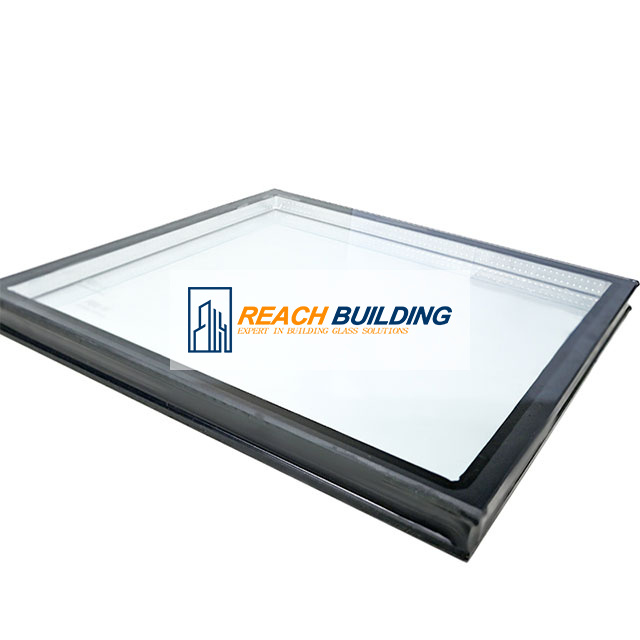
Modern architecture faces a highly demanding challenge today. Designers must achieve stringent energy compliance and drastically reduce HVAC loads. They must accomplish this without compromising visual transparency or structural integrity. You cannot treat standard window units as mere transparent barriers anymore. Today, insulated glass units function as highly engineered thermal engines. They play a critical role in your building envelope's overall financial performance and efficiency. Poor glazing choices inevitably lead to massive energy leaks and severe occupant discomfort. This article provides a highly concrete framework for evaluating complex thermal glazing systems. Architects, developers, and procurement teams will learn exactly how to specify these critical facade components. We will guide you through advanced configuration approaches, potential structural risks, and rigorous vendor selection criteria. By understanding the intricate balance of light, heat, and structural durability, you will protect your investments. You will gain actionable insights to make informed, resilient design choices.
Key Takeaways
Evaluating thermal performance requires balancing U-value, Solar Heat Gain Coefficient (SHGC), and Visible Light Transmittance (VLT) against specific climate zone requirements.
Transitioning from standard double glazed glass to advanced multi-pane configurations requires accounting for increased structural loads and complex edge-sealing.
Mitigating seal failure and thermal stress are the primary implementation risks when specifying large-format building facade glass.
Selecting an OEM insulated glass manufacturing partner hinges on their custom configuration capabilities, warranty terms, and proven quality assurance testing.
The Business Impact of Thermal Insulated Glass in Commercial Facades
Commercial developments face immense financial and regulatory pressures today. Building codes consistently mandate stricter energy performance across all new constructions. Rigorous frameworks like ASHRAE 90.1 set strict baseline standards for envelope efficiency. Developers frequently chase ambitious LEED or BREEAM certification targets. Rising global energy costs heavily compound these architectural demands. You must optimize the exterior building envelope to stay financially competitive.
A successful facade implementation meets several distinct criteria. First, it drastically lowers peak HVAC loads during extreme seasonal weather. By resisting outside temperature fluctuations, you can install smaller, more efficient mechanical systems. Second, it maximizes natural daylighting to improve interior visual ambiance. Third, and most importantly, it achieves zero post-installation thermal seal failures.
Specifying high-performance thermal insulated glass directly drives these positive outcomes. Exceptional thermal resistance means you spend considerably less money on annual heating and cooling. Furthermore, high-quality glazing elevates overall tenant comfort. It eliminates cold drafts near windows and prevents intense solar baking during the summer. Comfortable tenants sign longer leases. They also accept higher premium rental rates. We consistently see these tangible financial benefits materialize when project teams prioritize advanced facade engineering.
Configuration Approaches for Building Facade Glass
Selecting the correct physical configuration dictates your facade's ultimate performance. You must carefully weigh several interconnected design variables to achieve compliance.
Double Glazed Glass vs. Triple Glazing
The thermal leap from standard double glazed glass to triple glazing is substantial. Adding a third pane creates two distinct insulating cavities. This upgrade drastically lowers the overall U-value. Northern climates heavily favor this triple-pane approach for maximum winter heat retention. However, this upgrade introduces very clear trade-offs. You will face diminishing returns on thermal resistance versus the added physical weight. Heavier units demand incredibly robust structural frames. Upgrading your aluminum framing system significantly increases upfront material costs. Furthermore, manufacturing an extra glass pane increases the initial embodied carbon footprint of your project.
Low-E Coating Strategies
Low-emissivity (Low-E) coatings act as invisible thermal shields. Their precise placement on specific glass surfaces dictates exactly how they function.
Surface 2 Placement: Manufacturers typically place the metallic coating on the inner face of the exterior pane. This setup reflects harsh solar heat away from the building. It works exceptionally well in cooling-dominated climates like Miami or Dubai.
Surface 3 Placement: Placing the coating on the outer face of the interior pane traps internal ambient warmth. You should implement this specific strategy in heating-dominated environments like Chicago or Toronto.
Gas Fills and Spacers
The cavity space between the panes requires careful engineering. Manufacturers replace standard breathable air with dense noble gases to slow conductive heat transfer. Argon serves as the dominant industry standard. It provides excellent insulation at a highly reasonable price point. Krypton offers superior thermal performance in much narrower cavity spaces. However, krypton costs significantly more to procure.
Your edge spacer selection matters immensely. Traditional aluminum spacers act as aggressive thermal bridges. They pull cold temperatures across the edge and cause damaging perimeter condensation. We highly recommend upgrading to warm-edge technology. Warm-edge spacers utilize polymer or composite materials to completely break the thermal bridge. They keep the interior glass edges much warmer. This upgrade mitigates winter condensation risks entirely.
Key Evaluation Dimensions for Insulated Glass Units
Procurement teams must look beyond superficial marketing data sheets. You need to intimately understand the relationship between specific technical features and actual real-world outcomes.
Performance Metrics (Feature-to-Outcome)
Do not rely solely on center-of-glass metrics during your procurement process. A center-of-glass U-value only measures the most thermally efficient spot of the pane. It completely ignores the edge-of-glass conductivity and the framing system. You must request whole-window U-values to ensure accurate HVAC sizing.
Furthermore, pay close attention to the Light-to-Solar Gain (LSG) ratio. We view LSG as the ultimate metric for modern commercial facades. It measures raw daylighting efficiency against thermal resistance. A high LSG ratio means you let in ample visible light while simultaneously blocking solar heat.
Table: Essential Glazing Performance Metrics
Performance Metric
Focus Area
Real-World Implication
Whole-Window U-Value
Total thermal transfer rate
Dictates peak winter heating loads
Solar Heat Gain Coefficient (SHGC)
Solar heat blockage efficiency
Dictates peak summer cooling loads
Visible Light Transmittance (VLT)
Natural light transmission
Reduces daytime artificial lighting needs
Light-to-Solar Gain (LSG) Ratio
Daylighting vs. Heat Gain balance
Maximizes tenant comfort and visual clarity
Durability and Compliance
Commercial units must survive decades of relentless environmental abuse. Ensure your chosen products pass necessary ASTM and EN standard tests. ASTM E2190 governs edge seal durability and long-term gas retention. EN 1279 provides similar rigorous testing protocols for the European market. Manufacturers subject these test units to extreme high humidity and UV radiation. You must also verify wind load resistance through ASTM E1300 calculations. Finally, ensure proper impact safety compliance for high-traffic pedestrian zones.
Acoustic Secondary Benefits
Thermal optimization often brings a highly valuable secondary benefit: noise reduction. You can concurrently solve urban noise pollution by tweaking the unit configuration. Altering individual pane thickness disrupts different sound frequencies. Integrating specialized acoustic laminated inner layers adds physical mass and dampening capabilities. This engineered approach turns standard building facade glass into a powerful acoustic barrier.
Implementation Realities and Structural Risks (Experience & Expertise)
Even the best laboratory performance numbers mean nothing if the glass breaks on-site. We have seen many ambitious projects fail due to poor implementation planning. You must anticipate severe real-world physical stresses.
Thermal Stress and Breakage
Large glazing units face immense temperature differentials every single day. Uneven shading across a building elevation causes dangerous differential expansion. Highly absorptive Low-E coatings severely exacerbate this localized heating effect. Interior blinds placed too close to the glass also trap intense heat. This massive temperature gap creates severe thermal fracturing risks. You must evaluate these specific risks during the early design phase. Often, specifying standard annealed glass is far too dangerous. Heat strengthening or full thermal tempering becomes absolutely non-negotiable for sun-facing elevations.
Deflection and Altitude Adjustments
Air and noble gases physically expand or contract based on atmospheric pressure. You cannot ignore the physical realities of altitude changes during logistics. If a factory sits at sea level, shipping units to a high-altitude mountain site causes outward bowing. The trapped argon gas expands outward against the thinner atmosphere. This intense deflection distorts exterior reflections and heavily strains the edge seals.
We strongly recommend capillary tubes for such extreme logistical scenarios. Manufacturers install these tiny metal tubes to equalize internal cavity pressure during transit. The unit effectively breathes to adjust to changing altitudes. Once acclimated properly at the final job site, technicians crimp and seal the tubes permanently.
Seal Longevity
All insulated units experience gradual, unavoidable gas diffusion. Noble gases will inevitably escape over a standard 20-year lifespan. Set realistic expectations for these natural degradation rates. An industry-standard loss rate sits around one percent per year.
You can easily mitigate premature failure by insisting on robust, dual-stage edge-sealing. A primary polyisobutylene (PIB) seal stops invasive moisture vapor. A secondary structural silicone seal physically holds the heavy panes together. This proven dual-seal approach guarantees reliable, long-term thermal performance. Do not accept single-seal systems for commercial applications.
Shortlisting Logic: Selecting an OEM Insulated Glass Partner
Your facade is only as reliable as the factory actively producing it. Selecting a trusted OEM insulated glass partner requires rigorous vetting. You need a partner highly capable of executing complex geometries without cutting corners.
Manufacturing Tolerances
Modern architectural designs frequently feature oversized, heavy, or curved configurations. These massive formats demand incredibly tight manufacturing tolerances. Ask potential factory partners about their maximum processing dimensions. Request empirical data on how they maintain structural integrity across massive panes. Any slight deviation in spacer alignment or sealant depth on large units invites catastrophic failure.
Quality Assurance Transparency
You must physically or virtually audit a manufacturer's factory floor processes. Do not accept manual assembly lines for critical commercial components. Look for automated spacer bending machinery. Automated benders create continuous corners that minimize structural weak points. Insist on continuous, in-line gas-fill monitoring sensors. This technology ensures every single cavity reaches the specified 90 percent or higher argon concentration. Finally, verify they operate an in-house spectrophotometer. This advanced tool tests coating consistency and color matching before shipping.
Next-Step Actions
We highly recommend adopting a strict procurement workflow to protect your project. Follow these structured steps:
Commission physical visual mock-ups (VMUs) to evaluate aesthetic reflections under natural outdoor lighting.
Review the fine print on vendor warranty exclusions, specifically regarding spontaneous glass breakage.
Demand documented proof of automated seal application to guarantee uniform thickness.
Conclusion
Specifying commercial glazing remains a highly complex exercise in balance. You must constantly weigh opposing physical forces against one another. You balance required visible light against unwanted solar heat. You balance massive physical weight against desired thermal performance. You balance upfront material costs against long-term operational energy savings.
The final verdict remains incredibly clear. Even the highest-spec glass coatings will fail entirely if you ignore edge-sealing and structural integration. Facade success requires holistic envelope engineering, not just picking a high-performance pane from a catalog.
We strongly encourage you to consult your facade engineering team early in the schematic design phase. Request a project-specific thermal analysis to pinpoint exact requirements. Download detailed product specification sheets to verify all performance metrics independently. Proactive, detail-oriented planning ensures your building remains highly efficient and comfortable for decades.
FAQ
Q: What is the realistic lifespan of the argon gas fill in double glazed glass?
A: Industry standards allow for a typical argon leakage rate of approximately one percent per year. High-quality dual-seal systems easily maintain their thermal performance well beyond standard 10-year warranties. With proper manufacturing and rigorous quality control, an argon-filled unit provides highly effective insulation for 20 to 25 years before any significant degradation occurs.
Q: How does the choice of spacer affect the thermal performance of insulated glass units?
A: Traditional aluminum spacers conduct heat very rapidly. They create aggressive thermal bridges at the edge of the glass. This conductivity leads to interior perimeter condensation during cold weather. Warm-edge spacers use advanced polymer or composite materials to completely break this bridge. Upgrading to warm-edge technology dramatically improves overall thermal resistance and prevents damaging moisture buildup.
Q: Can OEM insulated glass be customized for dynamic solar control?
A: Yes, manufacturers can customize units for advanced, active thermal management. You can specify dynamic electrochromic glazing. This glass tints automatically based on direct sunlight exposure. Alternatively, manufacturers can integrate motorized interstitial blinds directly within the sealed cavity. Both sophisticated options significantly reduce peak cooling loads while preserving variable access to natural daylight.
Q: Why is capillary tube installation necessary for some thermal insulated glass?
A: Shipping sealed units across significant altitude changes directly alters external atmospheric pressure. The trapped argon or air inside the cavity will subsequently expand or contract. This intense pressure differential causes severe structural bowing or even seal rupture. Capillary tubes allow the unit to breathe and equalize pressure during transit. Technicians then permanently seal them upon installation.
Miracle Co-founder of Reachbuilding
Miracle owns a glass factory that has been in operation for 40 years. His family has been engaged in the construction industry for over 60 years and possesses extensive engineering and production experience. At Reach Building, he focuses on product technical support, custom solutions, and industry trend analysis for global dealers, contractors, and builders.In his column, Miracle shares practical insights, project case studies, and expert advice to help construction professionals select the right glass for safer, more energy-efficient buildings.
With nearly 30 years of experience in building materials, REACH BUILDING provides customized glass products and technical solutions for global construction and interior projects.
We use cookies to enable all functionalities for best performance during your visit and to improve our services by giving us some insight into how the website is being used. Continued use of our website without having changed your browser settings confirms your acceptance of these cookies. For details please see our privacy policy.