Introduction
Clear glass and low iron glass are two commonly used materials, but they serve different purposes. Have you ever wondered how a slight difference in composition can change a glass's appearance? In this article, we’ll explore the key differences between clear and low iron glass. You'll learn which type of glass is best for your design or construction needs, and why choosing the right one can significantly impact the final result. Whether you're working on a budget-friendly project or a high-end design, this guide will help you make the right decision.
What is Clear Glass?
Composition of Clear Glass
Clear glass is made from raw materials like silica sand, soda ash, and limestone, all of which naturally contain iron. The iron present in these materials is responsible for the slight greenish tint in the glass, particularly noticeable at the edges or in thicker sheets. The higher the iron content, the more pronounced the green tint becomes. While subtle, this tint should be considered when aesthetics and color clarity are important.
Component | Description |
Silica Sand | The primary ingredient in glass production. |
Soda Ash | Helps in the melting process and influences viscosity. |
Limestone | Adds stability and helps reduce glass brittleness. |
Common Uses of Clear Glass
Clear glass is commonly used in everyday applications where the greenish tint is not a concern, such as:
● Residential windows
● Mirrors
● Cabinet inserts
● Budget-conscious projects where clarity isn't critical

What is Low Iron Glass?
Composition of Low Iron Glass
Low iron glass, also called extra-clear or ultra-clear glass, has significantly reduced iron content, giving it a crystal-clear appearance with no green tint. This reduction in iron ensures that the glass remains completely color-neutral, even in thicker sheets.
Low iron glass is typically used when the purity of color and light transmission are crucial, as it allows for the most accurate viewing of true colors, making it ideal for high-end applications where clarity matters.
Common Uses of Low Iron Glass
Low iron glass is often used for premium applications where transparency and clarity are essential, including:
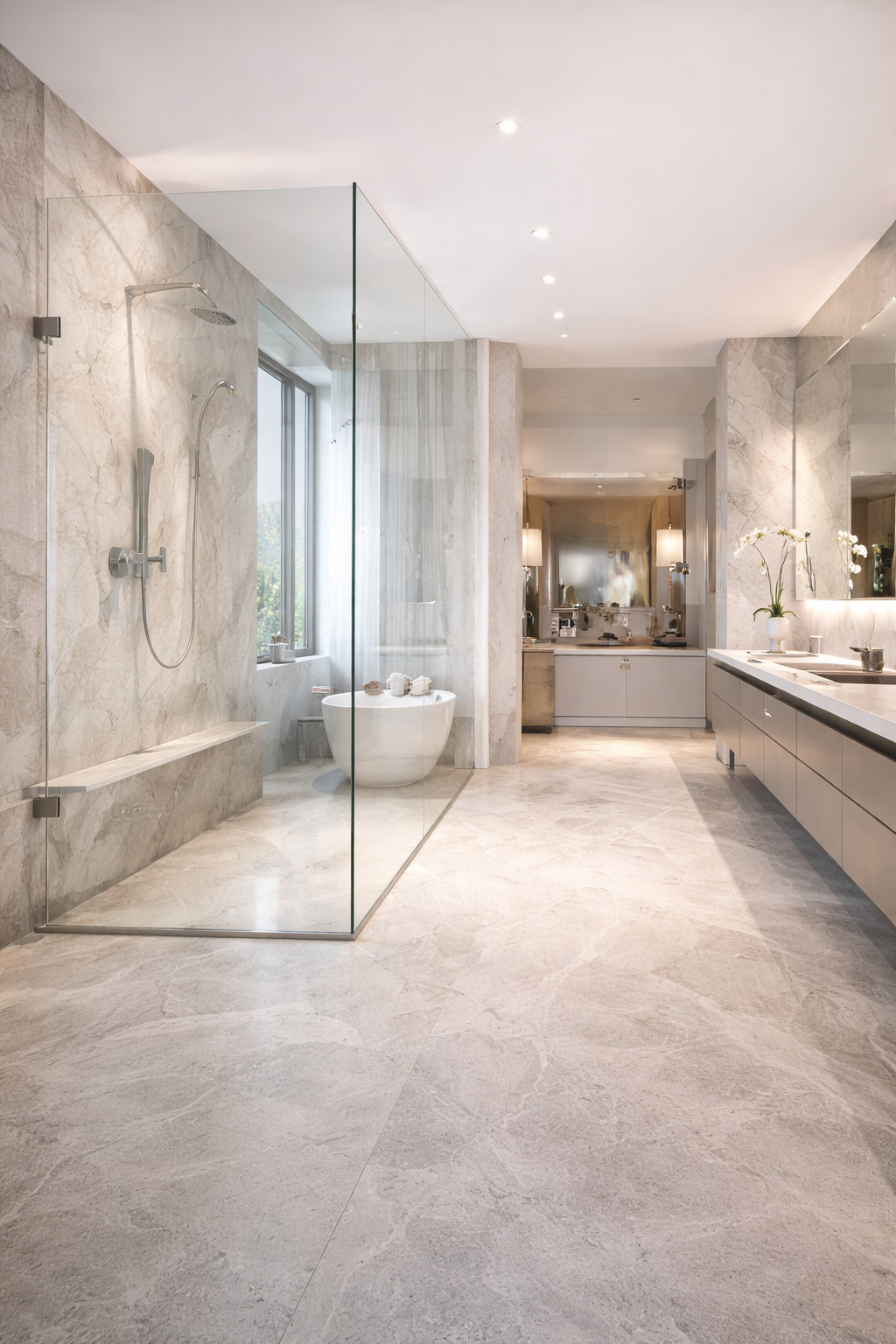
● Frameless shower doors
● Display cases
● Luxury interiors
● Museum-quality installations
For projects requiring the highest level of clarity, REACH offers low iron glass options that provide unparalleled transparency. Whether you’re creating high-end retail displays or constructing luxurious glass walls, low iron glass delivers superior aesthetics, ensuring true color rendering and refined design.
Key Differences Between Clear and Low Iron Glass
Color Appearance
● Clear Glass: Clear glass has a slight greenish hue, particularly noticeable around the edges and more pronounced with thicker sheets. The green tint is a natural result of iron oxide content in the raw materials.
● Low Iron Glass: Low iron glass is crystal-clear, with no greenish tint, offering true color accuracy. It remains transparent even at thicker thicknesses, providing a purer, more vibrant appearance.
Light Transmission
● Clear Glass: Clear glass transmits around 83-86% of visible light, though this can be muted slightly due to the iron content.
● Low Iron Glass: Low iron glass offers enhanced light transmission of 90-91%, resulting in brighter and more vibrant spaces, making it ideal for applications where maximum brightness and color accuracy are critical.
Edge Color
● Clear Glass: The edges of clear glass are often noticeably green, especially in thicker panels. This can detract from the overall clean look, particularly in applications where edge visibility is prominent.
● Low Iron Glass: Low iron glass features bluish or completely transparent edges, which provides a cleaner, more modern appearance and a refined look.
Durability & Strength
● Both clear and low iron glass can be tempered or laminated to meet safety standards and enhance durability.
● Clear Glass: Clear glass tends to hide small flaws or scratches due to its greenish tint, which can sometimes mask imperfections.
● Low Iron Glass: While low iron glass is equally strong, it may show scratches or fingerprints more easily due to its higher transparency. It requires extra care during handling and cleaning, especially in high-traffic areas.
Feature | Clear Glass | Low Iron Glass |
Color | Greenish hue | Crystal-clear, no tint |
Light Transmission | 83-86% | 90-91% |
Edge Color | Green-tinted edges | Bluish or transparent edges |
Durability | Hides imperfections | May show scratches easily |
Low iron glass offers superior clarity and light transmission, making it the ideal choice for projects where aesthetics and brightness are crucial. On the other hand, clear glass provides a more budget-friendly solution while still offering reliable functionality in many standard applications.
When to Choose Clear Glass vs. Low Iron Glass
Best Applications for Clear Glass
Clear glass is an affordable, reliable choice for applications where a perfect color rendering isn’t required. It is ideal for:
● Budget-friendly projects where cost control is key
● Framed windows and mirrors where the green tint won’t be noticeable
● Cabinet glass or shelving where slight tint isn’t a concern
● Standard partitions or interior doors
For projects that need clear glass but don’t demand premium aesthetics, clear glass remains a practical and cost-effective option.
Best Applications for Low Iron Glass
Low iron glass is perfect for applications where color accuracy, light transmission, and visual appeal are essential. It works best in:
● Frameless glass showers that require a sleek, modern look
● Display cases or retail storefronts where products need to be showcased in the clearest possible glass
● Museums, galleries, and high-end interiors where transparency and true color representation are key
● Projects requiring color precision and clarity for aesthetic purposes
For high-end installations, REACH’s low iron glass delivers superior clarity and transparency, ensuring luxury designs maintain a pristine look.

Cost Comparison
Feature | Clear Glass | Low Iron Glass |
Cost | More affordable, widely available | 20-30% more expensive, often requires custom orders |
Availability | Commonly available in various sizes | May need to be custom ordered for specific sizes |
Applications | Standard windows, mirrors, shelving | Premium applications like high-end retail displays and museum installations |
Is Low Iron Glass Worth the Extra Cost?
While low iron glass does come at a higher price point, its superior aesthetics, enhanced light transmission, and color accuracy make it the best choice for premium, high-visibility projects. If clarity and transparency are important for your design, investing in low iron glass ensures that your space achieves a higher level of visual appeal.
Advantages of Using Low Iron Glass
Enhanced Aesthetic Appeal
Low iron glass provides a refined, premium look, perfect for modern and luxurious spaces. Its lack of green tint and crystal-clear transparency offer a visually appealing, sleek finish.
Improved Light Flow and Visibility
The enhanced light transmission of low iron glass maximizes natural light flow, creating brighter, more open spaces. This is particularly beneficial for retail stores, galleries, and other spaces that require optimal lighting conditions.
Better Color Accuracy
Low iron glass is ideal for projects where true-to-life color is crucial. From art displays to back-painted glass walls, it ensures that colors remain unaltered and vibrant.
Advantage | Core Value |
Aesthetic Appeal | Clean, premium visual finish |
Light Transmission | Brighter, more open spaces |
Color Accuracy | True, undistorted colors |
These advantages make low iron glass especially suitable for high-visibility and design-driven projects. It supports modern aesthetics while improving lighting quality and visual accuracy in the same space.
Conclusion
In summary, the choice between clear and low iron glass depends on the project's requirements. Clear glass is an affordable option, ideal for budget-friendly applications. Low iron glass, however, provides superior transparency, light transmission, and color accuracy, making it perfect for high-end designs. HANGZHOU REACH BUILDING CO., LTD. offers premium low iron glass products, ensuring that your luxury projects achieve both aesthetic appeal and optimal functionality.
FAQ
Q: What is the difference between clear glass and low iron glass?
A: Clear glass has a slight green tint due to the presence of iron, especially noticeable at the edges. Low iron glass, however, has minimal iron content, resulting in crystal-clear transparency with no greenish hue. It also offers better light transmission and color accuracy.
Q: Why should I choose low iron glass for my project?
A: Low iron glass is ideal for applications requiring superior clarity and color accuracy, such as display cases, frameless shower doors, and luxury interiors. It offers enhanced transparency, making colors appear more vibrant and true-to-life.
Q: Is low iron glass more expensive than clear glass?
A: Yes, low iron glass is typically 20-30% more expensive than clear glass. However, its premium quality and superior clarity make it the preferred choice for high-end applications where appearance and light transmission are crucial.
Q: Can low iron glass be used for everyday applications?
A: While low iron glass is often used in luxury designs and high-end applications, it can be used for everyday projects when superior clarity and transparency are desired. However, it is more costly compared to standard clear glass.
Q: How do I maintain low iron glass?
A: Low iron glass should be cleaned regularly with a soft cloth and a non-abrasive cleaner to avoid scratches. It’s important to handle it with care due to its higher transparency, which can make smudges and fingerprints more visible.
Q: Does low iron glass perform better in thick or layered installations?
A: Yes, low iron glass performs especially well in thick or laminated installations. Its reduced iron content prevents the green tint from intensifying as thickness increases, so clarity, brightness, and color accuracy remain consistent even in multi-layer or heavy glass designs.