Introduction
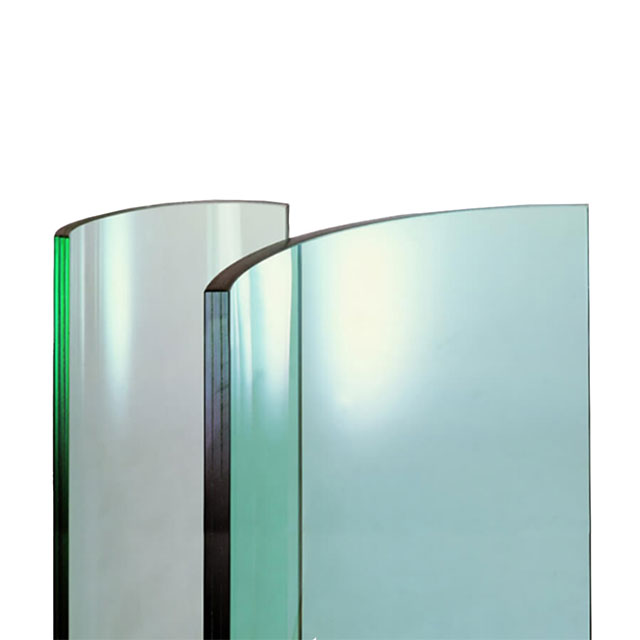
Laminated glass is a versatile and essential material in modern construction and design, offering a range of benefits that make it a preferred choice for architects and builders. This article delves into the properties and advantages of laminated glass, exploring its applications and why it is increasingly favored in various industries. By understanding the laminated glass properties, stakeholders can make informed decisions about its use in their projects.
What is Laminated Glass?
Laminated glass is a type of safety glass that holds together when shattered. It is constructed by sandwiching a layer of polyvinyl butyral (PVB) or ethylene-vinyl acetate (EVA) between two or more layers of glass. This interlayer keeps the glass bonded even when broken, providing enhanced safety and security. The concept of laminated glass was first developed in the early 20th century and has since evolved with technological advancements to meet modern safety standards.
Historical Background
The invention of laminated glass dates back to 1903 when French chemist Édouard Bénédictus accidentally discovered that a glass flask coated with a plastic cellulose nitrate film did not shatter upon impact. This discovery led to the development of laminated glass, which was initially used in automobile windshields. Over the years, its applications have expanded to include architectural uses, such as windows, facades, and skylights, due to its enhanced safety features.

Properties of Laminated Glass
The unique construction of laminated glass gives it several distinctive properties that contribute to its widespread use. These properties include impact resistance, sound insulation, UV protection, and aesthetic versatility. Understanding these properties helps in selecting the right type of laminated glass for specific applications.
Impact Resistance
One of the most significant properties of laminated glass is its impact resistance. The interlayer holds the glass together even when broken, preventing dangerous shards from causing injury. This makes laminated glass an ideal choice for areas prone to high impact, such as windows in hurricane-prone regions or glass doors in busy commercial spaces.
Sound Insulation
Laminated glass also offers excellent sound insulation properties. The interlayer dampens sound vibrations, making it an effective barrier against noise pollution. This is particularly beneficial in urban environments where noise reduction is a priority, such as in office buildings or residential complexes near busy streets.
UV Protection
Another advantage of laminated glass is its ability to block up to 99% of harmful UV rays. This protection helps in preserving the color and integrity of interior furnishings and reduces the risk of skin damage from prolonged exposure to sunlight. This property makes laminated glass a popular choice for skylights and large windows in residential and commercial buildings.
Aesthetic Versatility
Laminated glass is available in a variety of colors, textures, and finishes, offering aesthetic versatility for designers and architects. This allows for creative freedom in design, enabling the integration of laminated glass into diverse architectural styles and applications, from modern minimalist to classic traditional designs.
Benefits of Laminated Glass
The benefits of laminated glass extend beyond its basic properties, offering significant advantages in terms of safety, security, and sustainability. These benefits make laminated glass a preferred choice in various sectors, including construction, automotive, and interior design.
Enhanced Safety and Security
Laminated glass provides enhanced safety and security by preventing the glass from shattering into dangerous shards. This feature is crucial in environments where safety is a priority, such as schools, hospitals, and public buildings. Additionally, laminated glass can withstand forced entry attempts, making it an effective deterrent against burglary and vandalism.
Energy Efficiency
The insulating properties of laminated glass contribute to energy efficiency by reducing heat transfer. This helps in maintaining a stable indoor temperature, reducing the need for artificial heating and cooling. As a result, buildings with laminated glass can achieve significant energy savings, contributing to sustainability goals and reducing carbon footprints.
Durability and Longevity
Laminated glass is highly durable and resistant to wear and tear, making it a long-lasting solution for various applications. Its resistance to environmental factors such as moisture, temperature fluctuations, and UV exposure ensures that it maintains its integrity and appearance over time, reducing the need for frequent replacements.
Environmental Benefits
In addition to energy efficiency, laminated glass offers environmental benefits by reducing noise pollution and enhancing natural lighting. By allowing more natural light to enter a building, laminated glass reduces the reliance on artificial lighting, further contributing to energy savings. Moreover, its noise-reducing properties improve the quality of life in urban environments.
Applications of Laminated Glass
Laminated glass is used in a wide range of applications due to its versatility and beneficial properties. From architectural and automotive uses to interior design and specialty applications, laminated glass plays a crucial role in enhancing safety, aesthetics, and functionality.
Architectural Applications
In architecture, laminated glass is commonly used in windows, doors, facades, and skylights. Its safety features make it ideal for high-rise buildings and structures in seismic zones. Additionally, laminated glass is used in curtain walls and glass balustrades, providing both safety and aesthetic appeal.
Automotive Applications
The automotive industry extensively uses laminated glass in windshields and sunroofs. Its ability to prevent shattering upon impact enhances passenger safety, while its sound insulation properties contribute to a quieter ride. Laminated glass also provides UV protection, preserving the interior of vehicles from sun damage.
Interior Design Applications
In interior design, laminated glass is used for partitions, staircases, and decorative elements. Its aesthetic versatility allows designers to create unique and visually appealing spaces. Laminated glass can also be used in furniture, such as tabletops and shelving, offering both style and durability.
Specialty Applications
Laminated glass is also used in specialty applications, such as aquariums, display cases, and bullet-resistant glass. Its strength and safety features make it suitable for environments where additional protection is required. Furthermore, laminated glass is used in art installations and public sculptures, showcasing its versatility and creative potential.
Conclusion
In conclusion, laminated glass is a multifaceted material that offers numerous benefits, making it an essential component in modern construction and design. Its properties, such as impact resistance, sound insulation, and UV protection, contribute to its widespread use in various applications. The benefits of laminated glass extend beyond safety and security, offering environmental and aesthetic advantages that align with contemporary sustainability goals. As technology continues to advance, the potential applications and benefits of laminated glass are likely to expand, further solidifying its role in the future of architecture and design.
Explore our laminated glass products