In today’s world, energy efficiency is not just an architectural trend—it is a necessity. Rising energy costs, global climate challenges, and stricter sustainability standards have pushed homeowners, architects, and developers to seek innovative building solutions. One of the most significant contributors to a building’s overall energy efficiency is its glazing system. Windows and facades play a major role in regulating heat, light, and comfort.
This is where Insulated Glass (IGU) becomes a game-changer. By reducing heat transfer, improving indoor comfort, and lowering energy consumption, insulated glass has become a cornerstone of sustainable architecture. Beyond energy efficiency, IGUs also enhance acoustic performance, prevent condensation, and provide UV protection.
This article explores the comprehensive benefits of insulated glass for energy efficiency, its structure, working principles, applications, and why it is a critical investment for modern construction.
1. Understanding Insulated Glass
1.1 What is Insulated Glass?
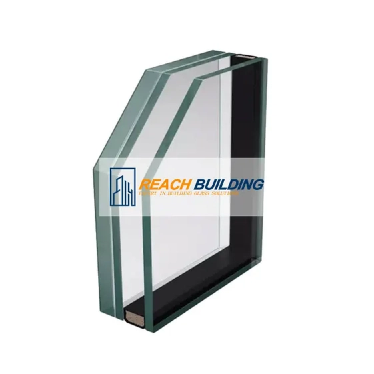
Insulated Glass (IGU), sometimes referred to as double glazing or triple glazing, is a high-performance window system designed to minimize heat transfer between the interior and exterior of a building. Unlike single-pane windows, IGUs consist of:
Two or more glass panes – forming the primary structure.
Spacer bar – separating the panes while maintaining an airtight cavity.
Sealed cavity – filled with air or inert gases like argon or krypton.
Sealing system – ensuring durability and resistance to moisture penetration.
The combination of these components creates a thermal barrier that significantly improves insulation properties compared to single-pane glazing.
1.2 How Insulated Glass Works
The efficiency of insulated glass lies in its ability to reduce conduction, convection, and radiation of heat. The sealed cavity between panes acts as an insulating layer that resists temperature transfer.
Air-filled IGUs – provide basic insulation by creating a still-air barrier.
Argon-filled IGUs – enhance performance, as argon is denser than air, reducing heat transfer.
Krypton-filled IGUs – offer superior insulation, ideal for thinner units or premium applications.
In addition, Low-E coatings can be applied to one or more glass surfaces to reflect infrared radiation, keeping heat inside during winter and outside during summer.
2. Thermal Insulation Benefits
2.1 Reduced Heat Transfer
The primary function of insulated glass is to minimize unwanted heat exchange. In winter, IGUs prevent heat from escaping indoors, while in summer, they reduce the amount of solar heat entering the space. This balance ensures that interior environments remain comfortable without excessive reliance on heating or cooling systems.
For example, U-values (a measure of heat transfer) in IGUs are significantly lower compared to single-pane glass. The lower the U-value, the better the insulation.
2.2 Stable Indoor Temperature
Insulated glass maintains a consistent indoor climate by eliminating cold drafts and hot spots near windows. This contributes to:
Improved comfort for occupants.
Better productivity in workplaces.
Consistent temperature control in sensitive spaces like hospitals or laboratories.
By ensuring a balanced indoor environment, IGUs also prolong the lifespan of HVAC systems, as they do not need to work as hard to maintain desired conditions.
3. Energy Savings and Cost Efficiency
3.1 Lower Energy Consumption
Heating and cooling account for a significant percentage of building energy use. By reducing heat loss and solar heat gain, insulated glass can cut energy consumption by up to 30%, depending on climate and building design.
This translates to:
Lower electricity bills for homeowners.
Reduced operating costs for commercial properties.
Increased energy rating values for real estate investments.
3.2 Long-Term Cost Benefits
Although the initial investment in insulated glass is higher than single-pane windows, the long-term savings justify the cost. IGUs deliver:
Lower maintenance costs due to condensation prevention.
Extended HVAC lifespan as systems face less strain.
Improved property value because of energy-efficient certifications.
Comparison Table: Single-Pane vs. Insulated Glass
Feature | Single-Pane Glass | Insulated Glass (IGU) |
Thermal Insulation | Poor | Excellent |
Energy Savings | Minimal | Up to 30% |
Comfort Level | Cold drafts, hot spots | Stable indoor climate |
Condensation Resistance | Low | High |
Noise Reduction | Limited | Significant |
Property Value | Lower | Higher |
![Insulated Glass]()
4. Environmental Impact of Insulated Glass
4.1 Reducing Carbon Footprint
Every kilowatt-hour saved by using insulated glass contributes to lower carbon emissions. By decreasing reliance on heating and cooling systems, IGUs indirectly reduce greenhouse gas emissions, helping combat climate change.
4.2 Supporting Green Building Certifications
Insulated glass contributes to green building standards such as:
LEED (Leadership in Energy and Environmental Design)
BREEAM (Building Research Establishment Environmental Assessment Method)
ENERGY STAR certification
These certifications not only enhance sustainability credentials but also increase property attractiveness in eco-conscious markets.
5. Additional Benefits Enhancing Energy Efficiency
5.1 Acoustic Insulation
Insulated glass reduces noise transmission, creating quieter indoor environments. This is particularly beneficial for buildings near highways, airports, or urban centers. By combining energy and sound insulation, IGUs enhance overall living quality.
5.2 Condensation Prevention
Single-pane windows often suffer from condensation, leading to mold, mildew, and structural damage. Insulated glass minimizes condensation by keeping the inner pane closer to room temperature. This preserves indoor air quality and extends window lifespan.
5.3 UV and Solar Control
Modern IGUs can be coated with solar control and UV-blocking films. These coatings:
Block harmful UV rays that cause fading of furniture and fabrics.
Reduce glare while maintaining natural light.
Improve solar heat gain control without sacrificing transparency.
6. Applications in Different Building Types
6.1 Residential Buildings
In homes, insulated glass is widely used in:
Windows and sliding doors.
Skylights and patio enclosures.
Conservatories and sunrooms.
For homeowners, IGUs mean lower bills, improved comfort, and higher property resale value.
6.2 Commercial Buildings
In commercial projects, IGUs are essential for:
High-rise facades.
Retail storefronts.
Office complexes with glass curtain walls.
By reducing energy costs and improving work environments, insulated glass supports both financial and environmental goals.
6.3 Specialized Projects
Specialized buildings like hospitals, schools, laboratories, and airports require strict temperature regulation and acoustic performance. Insulated glass meets these demands while maintaining natural light and safety.
7. Choosing the Right Insulated Glass for Efficiency
7.1 Factors to Consider
When selecting IGUs, factors include:
Climate conditions – colder climates benefit from triple glazing.
Building orientation – solar exposure influences glazing choice.
Budget considerations – balancing cost with performance.
Desired performance – thermal, acoustic, or solar control.
7.2 Working with Professional Manufacturers
High-quality insulated glass depends on precision manufacturing and durable sealing. Poorly made IGUs may lose gas filling or suffer seal failure, reducing efficiency.
This is why partnering with experienced providers like Hangzhou Reach Building Co., Ltd. is critical. With expertise in advanced glazing solutions, they offer:
Customized insulated glass units.
Technical support for architects and builders.
Long-lasting solutions that meet international efficiency standards.
8. Conclusion
Insulated Glass (IGU) is more than just a window solution—it is a vital component of energy-efficient, sustainable, and comfortable buildings. By reducing heat transfer, improving indoor comfort, lowering energy bills, and supporting environmental goals, IGUs play a central role in modern construction.
As the demand for sustainable architecture grows, insulated glass will continue to be a critical investment for both residential and commercial projects.
For those seeking reliable solutions, partnering with manufacturers like Hangzhou Reach Building Co., Ltd. ensures high-performance products, technical expertise, and long-term durability. Choosing the right insulated glass today is not only about efficiency—it is about building a sustainable future.