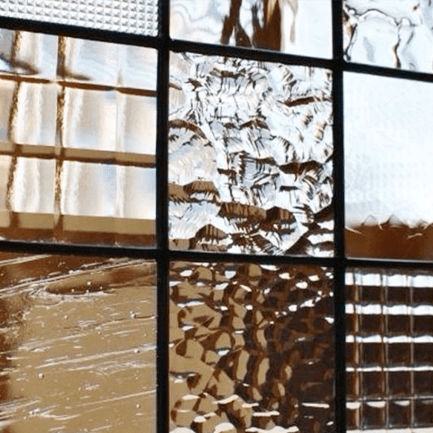
Glass is one of the most versatile and widely used materials in modern construction, design, and manufacturing. Its unique combination of transparency, strength, and aesthetic appeal has made it a cornerstone in everything from building facades and interior partitions to automotive windows and decorative features. However, the world of glass products is vast and varied, encompassing a broad spectrum of types and processing methods tailored to meet diverse functional and aesthetic demands.
To fully appreciate the role of glass in today’s industries, it is essential to understand the foundational materials and their transformations—from raw, basic glass to highly specialized products like tempered and laminated glass. This article explores the journey from float glass, the base material for most processed glass products, to various advanced types such as tempered glass, patterned glass, low iron glass, curved glass, and tinted glass. We will also discuss practical guidelines for selecting the right glass type based on project requirements, balancing factors like structural needs, privacy, and visual clarity.
Float Glass: The Base Material
Float glass, often called flat glass, is the fundamental material from which most architectural and industrial glass products originate. Invented in the 1950s, the float glass manufacturing process revolutionized the industry by producing high-quality, perfectly flat sheets of glass at scale and at relatively low cost.
The Float Glass Manufacturing Process
The float glass process involves melting raw materials—primarily silica sand, soda ash, and limestone—at extremely high temperatures (around 1700°C). The molten glass is then poured onto a bath of molten tin, where it floats due to its lower density. This floating action allows the glass to spread out and form an even, flat surface on both sides.
As the glass moves along the tin bath, it cools gradually in a controlled environment called the annealing lehr. This annealing process is crucial as it relieves internal stresses, resulting in a stable, flat glass sheet with uniform thickness and clarity.
Applications of Float Glass
Float glass serves as the raw material for many subsequent glass treatments and products. It is widely used in windows, doors, mirrors, and as a base for coatings that enhance energy efficiency or aesthetic appeal. Due to its high optical clarity and smooth surfaces, float glass is also the preferred substrate for specialized glasses like tempered glass, laminated glass, and coated glass.
Tempered Glass: Strength Through Heat Treatment
While float glass is strong enough for many applications, certain environments demand glass with enhanced mechanical and thermal properties. This is where tempered glass, also known as toughened glass, comes into play.
The Heat Treatment Process
Tempered glass is produced by reheating float glass to around 620°C and then rapidly cooling it using jets of cold air. This controlled quenching induces compressive stresses on the glass surface and tensile stresses inside, significantly increasing its strength compared to untreated glass.
The tempering process enhances the glass’s resistance to bending, impact, and thermal shocks. Tempered glass is typically four to five times stronger than standard annealed glass of the same thickness.
Physical Performance Compared to Float Glass
The key advantage of tempered glass is its strength and safety. If tempered glass breaks, it shatters into tiny, blunt granules rather than sharp shards, reducing the risk of injury. This characteristic makes tempered glass the preferred choice for safety-critical applications such as:
Building facades and curtain walls
Automotive windows and windshields
Shower enclosures
Glass doors and partitions
Additionally, tempered glass withstands higher temperature differentials, which is vital in outdoor or industrial settings where rapid heating and cooling can occur.

Other Glass Types
Beyond float and tempered glass, a variety of specialized glass products exist to fulfill unique architectural, functional, and decorative needs.
Patterned Glass (Embossed Glass)
Patterned or embossed glass is created by rolling molten glass between textured rollers during manufacturing, imprinting patterns onto one or both surfaces. These patterns can range from simple geometric shapes to intricate floral designs.
Patterned glass is often used where privacy is required without sacrificing natural light, such as in bathroom windows, office partitions, and decorative panels. It also adds aesthetic value to interior design by providing texture and diffusing light in visually appealing ways.
Low Iron Glass (Ultra-Clear Glass)
Standard float glass contains iron oxide impurities that give it a slight green tint, especially noticeable at the edges and in thicker panels. Low iron glass reduces these impurities, resulting in exceptionally clear and color-neutral glass.
Known as ultra-clear glass, low iron glass is highly sought after in applications where true color representation and maximum light transmission are critical, such as museum display cases, high-end storefronts, and premium architectural facades.
Curved Glass (Heat-Bent Glass)
Curved glass is manufactured by heating flat glass sheets to their softening point and bending them over molds or forms. This process can be applied to both annealed and tempered glass.
Curved glass is widely used in modern architecture to create dynamic building shapes, such as curved curtain walls, atriums, and skylights. Its seamless forms add elegance and fluidity to architectural designs, allowing for innovative visual expressions.
Tinted and Ion-Glass (Colored Glass)
Tinted glass is produced by adding metal oxides or other coloring agents during manufacturing, resulting in glass that selectively reduces light transmission and solar heat gain. Common colors include bronze, gray, blue, and green.
Ion-glass refers to chemically strengthened glass, which undergoes an ion-exchange process to improve surface strength and scratch resistance. This type is often combined with tinting or coatings for enhanced performance.
Tinted and ion-glass products are particularly useful in controlling glare, improving energy efficiency, and contributing to a building’s aesthetic identity.
How to Choose the Right Type for Your Project
Selecting the appropriate glass product for a construction or design project requires careful consideration of multiple factors. Glass choice impacts not only the visual outcome but also safety, performance, and cost-efficiency.
Structural Load vs. Decorative Needs
If the glass must bear structural loads or resist impacts, tempered or laminated glass is generally required. For example, glass used in balustrades, skylights, or storefronts where safety codes are stringent will often be tempered or laminated.
Conversely, if the glass primarily serves decorative or light-diffusing purposes, patterned or tinted glass may suffice. In interior applications where load requirements are minimal, annealed patterned glass can add texture and privacy without the need for heat treatment.
Indoor vs. Outdoor Application
Environmental exposure influences glass selection. Outdoor installations demand glass that withstands wind loads, thermal expansion, and weather-related stresses. Tempered and laminated glasses are preferred here due to their enhanced durability and safety properties.
Indoor glass needs focus more on design and privacy. Low iron glass is popular for its clarity in display cases or office partitions, while patterned glass enhances privacy in conference rooms or bathrooms.
Privacy vs. Transparency
Balancing transparency and privacy is crucial in many architectural contexts. Patterned and frosted glass offer privacy while still allowing light transmission, making them ideal for areas like bathrooms or meeting rooms.
In contrast, low iron or ultra-clear glass maximizes transparency and color fidelity, perfect for storefronts and museum displays where visual clarity is paramount.
Conclusion
The range of glass products available today—from the essential float glass to advanced tempered, patterned, curved, and tinted varieties—provides architects, designers, and builders with unparalleled flexibility. Each glass type serves specific functional and aesthetic purposes, and understanding their properties is vital to optimizing building performance, safety, and appearance.
Whether the priority is structural strength, energy efficiency, or artistic expression, there is a glass product designed to meet the challenge. Tempered glass remains a cornerstone in safety-critical applications, while specialized glasses like low iron or patterned glass enrich visual design and occupant experience.
For those seeking expert advice and high-quality glass solutions tailored to diverse architectural needs, companies like HANGZHOU REACH BUILDING CO., LTD. stand ready to assist. They offer a comprehensive portfolio of glass products, including float glass, tempered glass, laminated units, and custom treatments. To explore the full range of architectural glass products and find the ideal solution for your project, visit their website at www.reachbuilding.com or contact their professional team for consultation.