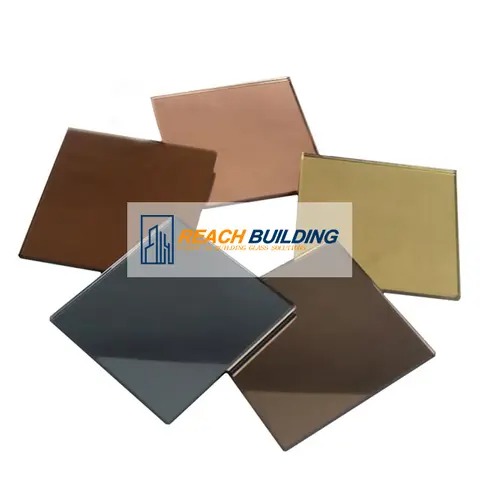
Glass coating has become an increasingly popular option for improving the durability, appearance, and ease of cleaning glass surfaces. From windows to windshields, coated glass offers numerous benefits that can make maintaining these surfaces much simpler. But one common question among consumers and professionals alike is, “How long does glass coating last?” In this article, we’ll dive into the longevity of glass coatings, the factors that impact their lifespan, and what you can do to extend their effectiveness.
Contents:
1.Understanding Coated Glass and Its Benefits
2.Factors Affecting the Lifespan of Glass Coatings
3.Typical Lifespan of Glass Coating
4.How to Extend the Life of Your Glass Coating
5.Conclusion
6.FAQ
Understanding Coated Glass and Its Benefits
Before discussing the lifespan of glass coatings, it’s important to first understand what they are and how they work. Coated glass is typically treated with a layer of protective substance, often silicon-based, that forms a hydrophobic or oleophobic surface. This treatment creates a smooth, non-porous layer that repels water, dirt, oil, and other contaminants.
There are several types of glass coatings available on the market today, including:
Hydrophobic Coatings: These coatings repel water, causing it to bead up and slide off the surface.
Oleophobic Coatings: Designed to repel oils and fingerprints, these coatings are often used on touch screens and mirrors.
Anti-Reflective Coatings: These coatings reduce glare and improve clarity by minimizing the reflection of light off glass surfaces.
While these coatings are highly effective, their durability depends on a number of factors, which we will explore in the following sections.

Factors Affecting the Lifespan of Glass Coatings
1. Type of Glass Coating
The type of coating you apply plays a significant role in how long the coating will last. Some coatings are designed for heavy-duty use, while others are intended for lighter applications. For instance, industrial-strength glass coatings, often used in commercial buildings, may last much longer than coatings designed for home windows or vehicle windshields.
Factory-applied coatings: These are often more durable and longer-lasting, as they are applied in controlled conditions.
DIY or aftermarket coatings: These can be less durable and may require reapplication more frequently, depending on usage and exposure.
The type of coating you choose will greatly influence its overall lifespan and performance.
2. Usage and Environment
How often the coated glass is exposed to harsh environmental conditions and usage factors will directly impact its longevity. For example, glass coatings on car windshields and windows are often exposed to extreme weather conditions, road salt, bugs, and regular cleaning. In contrast, glass coatings on interior windows or shower doors experience less wear and tear.
Outdoor environments: Coated glass exposed to UV rays, rain, snow, and temperature fluctuations will naturally degrade faster than glass in a controlled environment.
Indoor environments: Glass coatings in controlled, indoor environments are likely to last longer due to the reduced impact from environmental factors.
3. Maintenance and Care
Proper maintenance is essential for prolonging the lifespan of any glass coating. While coatings are designed to make cleaning easier, neglecting to care for the treated surface can lead to premature wear. Regular cleaning and the use of non-abrasive products can help extend the effectiveness of the coating.
Avoid harsh cleaners: Using abrasive or chemical-based cleaners can break down the protective layer, reducing its lifespan.
Proper cleaning routine: A consistent cleaning schedule using mild cleaners will help maintain the coating’s hydrophobic or oleophobic properties.
4. Coating Thickness and Quality
The thickness and quality of the coating applied to the glass are crucial factors in determining how long the treatment will last. Higher-quality coatings that are applied with greater precision tend to offer longer-lasting protection. Generally, professional-grade coatings applied in controlled environments (like automotive or architectural coatings) are thicker and more durable compared to DIY products.
5. Frequency of Exposure to Elements
For glass that is exposed to regular harsh elements—like vehicles or windows subject to regular rain, dust, and UV exposure—the coating’s lifespan will naturally be shorter. However, glass surfaces used in low-exposure areas, such as indoor windows, will experience less wear and will generally last longer.
6. Application Method
The method used to apply the coating can also impact its lifespan. Professional-grade coatings applied by experts often last much longer than those applied by consumers using DIY kits. DIY coatings may require more frequent reapplications due to imperfect application and inconsistent coverage.
Typical Lifespan of Glass Coating
1. Automotive Glass Coatings
For automotive glass, the lifespan of the coating can vary depending on the brand and the type of coating applied. On average, high-quality automotive glass coatings can last anywhere from 6 months to 2 years with proper care and maintenance.
High-end coatings: These can last up to 2 years if the car is regularly washed and kept in a garage or sheltered from harsh environmental conditions.
Economy coatings: These may last 6 to 12 months, requiring more frequent reapplications to maintain optimal performance.
| Coating Type | Lifespan (Automotive) | Key Factors |
| Premium coatings | 1-2 years | High-quality, professional application |
| Budget coatings | 6-12 months | DIY application, frequent exposure to elements |

2. Residential Glass Coatings
For residential glass, including windows and shower doors, the coating typically lasts longer than automotive coatings due to less exposure to harsh conditions. With proper cleaning and maintenance, coated glass windows can last up to 5 years or more before needing reapplication.
| Coating Type | Lifespan (Residential) | Key Factors |
| Premium coatings | 3-5 years | Interior use, minimal exposure to elements |
| DIY coatings | 1-2 years | Regular cleaning, but less durability |
3. Commercial Glass Coatings
Commercial glass coatings, especially those applied to large buildings or high-rise windows, are typically designed to be more durable and are often treated with more advanced technologies. These coatings can last anywhere from 5 to 10 years or more, depending on environmental conditions, exposure to pollutants, and the level of maintenance.
| Coating Type | Lifespan (Commercial) | Key Factors |
| Industrial coatings | 5-10 years | High durability, minimal cleaning required |
How to Extend the Life of Your Glass Coating
1. Regular Cleaning and Maintenance
The most effective way to extend the lifespan of your glass coating is through regular cleaning and gentle maintenance. Use soft microfiber cloths and mild, non-abrasive cleaners to remove dirt and water spots without damaging the protective layer.
2. Avoid Harsh Weather
If possible, protect your coated glass from harsh weather conditions. For automotive glass, using a car cover can shield the windshield from extreme weather. Similarly, for residential glass, consider applying window films or shades to reduce direct UV exposure.
3. Reapply Coatings Periodically
While high-quality coatings are designed to last, they will eventually wear down. Reapplying the coating at regular intervals (as recommended by the manufacturer) will ensure continued protection and longevity.
Conclusion
The longevity of glass coatings can vary significantly based on factors such as the type of coating, environmental exposure, usage, and maintenance. On average, automotive glass coatings last between 6 months to 2 years, residential coatings can last 1-5 years, and commercial coatings may endure for 5-10 years or more. Regular maintenance, care, and the right product choice are key to ensuring that your glass coating lasts as long as possible.
FAQ
1、How often do I need to reapply a glass coating?
The frequency of reapplication depends on the type of coating and how much the surface is exposed to wear. Generally, automotive coatings may need reapplication every 6 months to 2 years, while residential coatings may last up to 5 years with proper maintenance.
2、Does the type of glass matter for coating lifespan?
Yes, the type of glass and its exposure to elements will affect how long the coating lasts. Glass that is exposed to harsh weather, UV rays, and frequent use will wear out faster than glass in controlled, indoor environments.
3、Can I apply a glass coating myself?
While DIY glass coatings are available, professional-grade coatings tend to last longer. If you choose to apply a coating yourself, ensure you follow the manufacturer's instructions for optimal results.
4、What happens if the coating wears off?
Once the coating wears off, you may notice that water no longer beads off the glass as effectively, or that dirt and grime accumulate more quickly. At this point, reapplication of the coating is recommended to restore its protective properties.