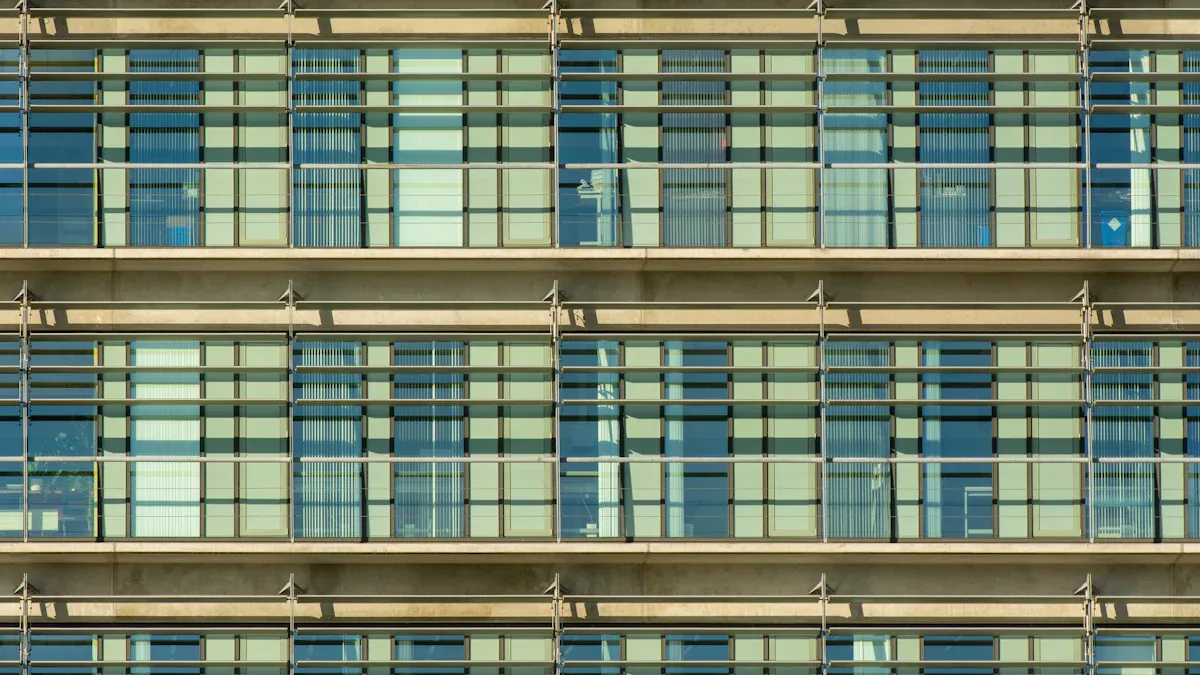
You might ask what makes laminated glass different from insulated glass. Laminated glass has layers that help keep you safe and block noise. Insulated glass holds air between panes to save energy. Look at this comparison:
Feature | Laminated Glass | Insulated Glass |
Safety | Great at stopping break-ins and flying objects. | Can break easily unless it has stronger panes. |
Energy Efficiency | Does not keep heat in or out very well. | Keeps heat in or out better with special coatings. |
Noise Reduction | Blocks noise very well, especially with special layers. | Blocks some noise, but not as much by itself. |
Picking the right glass keeps you safe, saves energy, and cuts down on noise.
Key Takeaways
Laminated glass makes things safer because it stays together when it breaks, so sharp pieces do not hurt people.
Insulated glass helps save energy. It keeps rooms warm or cool, so you spend less money on heating and cooling.
Pick laminated glass if you want less noise and more safety. Insulated glass is best if you want to save energy and feel comfortable.
Laminated Glass Overview
Construction of Laminated Glass
Laminated glass has two or more glass layers. There is a special layer in the middle. This layer keeps the glass together if it breaks. Different materials are used for this middle layer. Each material has its own features.
Polyvinyl butyral (PVB) is used a lot. It is clear, bends easily, and does not cost much. Some projects use SGP. SGP is stronger and lasts longer.
Laminated Glass Benefits
Laminated glass gives you many good things:
It keeps you safe because it stays together when cracked. You will not get cut by sharp pieces.
It helps stop break-ins. This makes your home or car safer.
It does not break into big sharp pieces. It keeps a barrier even after being hit.
It lowers noise. For example, a 5 mm laminated window can block 30 decibels of sound. This makes your room quieter if you live on a busy street.
It blocks bad UV rays. This protects your skin and furniture.
Tip: Laminated glass is great for blocking sound. If you live near a busy road or airport, it works better than insulated glass for noise.
Common Uses
Laminated glass is used in many places because it is safe and quiet. Here are some common uses:
Application Area | Benefits |
Entryway Glass | Gives security and looks nice |
Windows | Makes windows safer and saves energy |
Railings | Keeps people safe and looks good |
Glass Partitions | Makes open spaces but keeps them safe |
Shower Enclosures | Safe and modern looking |
Windshields | Strong and keeps you safe |
High-Speed Train Windows | Keeps passengers safe and comfortable |
You will also see laminated glass in buses, trains, and electronics. Builders and car makers use it for safety and style.
Insulated Glass Overview
Construction of Insulated Glass
Insulated glass has two or more glass panes. There is a space between each pane. A spacer keeps the panes apart. This space is filled with air or a special gas. Argon and krypton are common gases used. These gases are heavier than air. They help stop heat from passing through the glass. Spacers can be made of metal, foam, or warm edge materials. The type of spacer changes how well the window keeps heat in or out.
Two or more glass panes
Spacer material between panes
Air or noble gas (argon, krypton) fill
Different spacer types: metal, foam, warm edge
The glass thickness and gas type both help the glass work better. They make your home more comfortable.
Insulated Glass Benefits
Insulated glass gives you many good things. It acts like a wall to stop heat from leaving in winter. It also keeps cool air inside during summer. This means you do not need as much energy for heating or cooling. Studies show that using insulated glass can cut your energy bills by 20-30%. It also helps stop water from forming on your windows. This keeps your windows clear and your home dry. Some insulated glass has special coatings to work even better.
Typical Applications
Insulated glass is used in many places where comfort and saving money are important.
Homes and apartments for better energy efficiency
Office buildings to lower heating and cooling costs
Schools and hospitals for a comfortable indoor climate
Storefronts and commercial spaces for clear views and savings
Insulated glass is a great choice if you want to save money, feel comfortable, and help the planet.
Laminated vs. Insulated Glass
Safety Comparison
When you think about safety, you want glass that protects you and your family. Laminated glass stands out because it has a special layer inside. This layer holds the glass together if it breaks. You will not see sharp pieces flying around. Instead, the glass stays in place, which lowers the risk of injury. You also get extra protection against break-ins and storm damage. Building safety codes often recommend laminated glass for places where safety matters most.
Insulated glass does not have this safety layer. If it breaks, it can shatter into sharp pieces. You should not rely on insulated glass for security or impact resistance. It works best where energy savings are more important than safety.
Key Safety Points:
Soundproofing Comparison
Noise can make your home or office less comfortable. Laminated glass helps block outside sounds. The special layer inside absorbs sound waves, so you hear less noise from traffic or crowds. This makes laminated glass a good choice if you live near busy streets or airports.
Insulated glass also reduces noise, but not as much as laminated glass. It works by having two panes with air or gas in between. This setup blocks some sound, but you may still hear loud noises from outside.
Note: For the best soundproofing, look for acoustic glass, which blocks even more noise than laminated glass.
Energy Efficiency Comparison
You want your home to stay warm in winter and cool in summer. Insulated glass helps you do this. It has two or more panes with air or gas between them. This design keeps heat from escaping in winter and blocks heat from coming in during summer. You save money on heating and cooling bills.
Laminated glass does not insulate as well. It can help a little, but it is not made for energy savings. If you want to lower your energy costs, insulated glass is the better choice.
Cost and Maintenance
You should think about both the price and the care each type of glass needs. Insulated glass usually costs between $20 and $40 per square foot. Laminated glass can cost more, but it lasts longer.
Laminated glass can last 25 to 50 years if you clean it and check the seals. You should protect it from hard impacts. Insulated glass lasts about 20 to 30 years. You need to clean it and have a professional check it every year to keep it working well.
Maintenance Tips:
Clean both types with mild soap and water.
Check seals for cracks or gaps.
For insulated glass, get yearly inspections to catch problems early.
Application Differences
You will find laminated glass in places where safety and noise control matter most. Airports, shopping malls, banks, and storefronts often use laminated glass. It keeps people safe and blocks unwanted sounds.
Insulated glass is the top pick for homes, offices, and buildings where saving energy is important. It helps keep rooms comfortable and lowers energy bills.
Choosing the Right Glass
When to Choose Laminated Glass
Pick laminated glass if you care about safety and quiet. It is good for places where things might hit the glass. Use it in areas with hurricanes or lots of traffic. The special layer keeps the glass together if it breaks. This helps stop sharp pieces from flying. Laminated glass also blocks noise and bad UV rays. You can pick different colors or patterns for your windows with laminated glass.
When to Choose Insulated Glass
Insulated glass helps you save energy and feel comfortable. It is best for places with hot or cold weather. The space between the panes keeps heat from moving in or out. This helps your home stay warm in winter and cool in summer. Insulated glass can lower your heating and cooling bills. It keeps the inside temperature steady. Use insulated glass in homes, offices, and schools if you want to save energy.
Insulated glass does not crack easily from hot or cold.
New materials make it strong in all kinds of weather.
The gas between panes helps keep rooms comfy.
Decision Factors
Think about these things when picking your glass:
Safety Requirements: Use laminated glass for places with lots of impacts or storms.
Energy Efficiency: Pick insulated glass to control temperature better.
Design and Aesthetics: Laminated glass lets you choose more styles.
Environmental Conditions: Choose glass that fits your local weather.
Noise Reduction: Laminated glass blocks more noise.
Local rules also help you decide. You must follow safety laws for glass in your area. Companies like REACH BUILDING can help you pick the right glass and follow all the rules.
Now you understand how laminated and insulated glass are different. Laminated glass is strong against impacts and keeps you safe. It also helps block a lot of noise. Insulated glass saves more energy and works in hot or cold weather. Think about what you need most—safety, comfort, or less noise—before picking your glass.
FAQ
What makes laminated glass safer than regular glass?
Laminated glass has a special layer that holds the pieces together if it breaks. You stay safer because the glass does not shatter into sharp pieces.
Can insulated glass help lower my energy bills?
Yes! Insulated glass keeps your home warmer in winter and cooler in summer. You use less energy for heating and cooling, which saves you money.
Does laminated glass block UV rays?
Laminated glass blocks most harmful UV rays. Your furniture and skin get extra protection from sun damage.