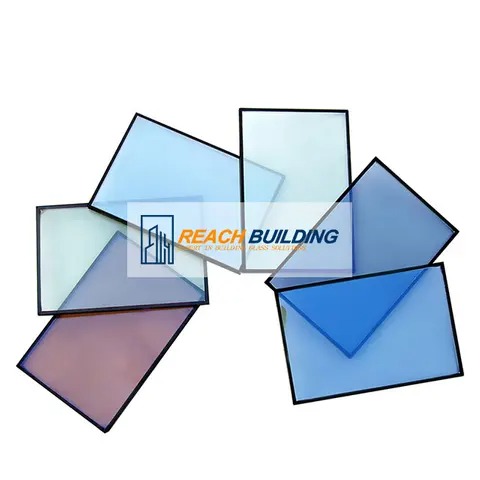
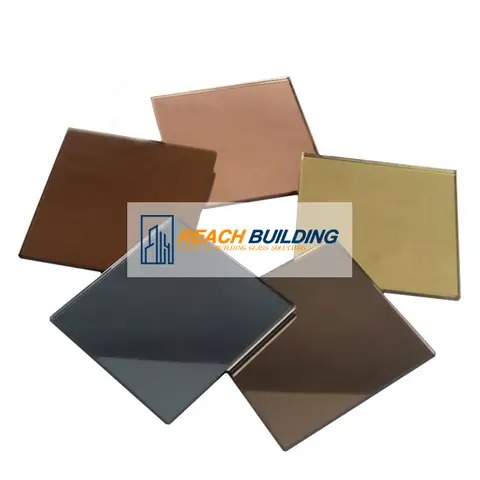
Coated glass is a type of glass that has undergone a process where a thin layer of material is applied to its surface to enhance its properties. This coating is designed to improve the glass's performance in various applications, ranging from architectural design to automotive engineering. Coated glass is often used to control light transmission, improve energy efficiency, and offer enhanced protection against the elements. As sustainability and technological advancements continue to shape various industries, the demand for coated glass has grown significantly. This article delves into the different uses and benefits of coated glass, exploring its key applications, types of coatings, and how it contributes to modern design and functionality.
Contents:
1.What Is Coated Glass?
2.Energy Efficiency and Insulation with Coated Glass
3.Enhanced Durability and Protection
4.Coated Glass in Solar and Photovoltaic Applications
5.Aesthetic and Design Flexibility with Coated Glass
6.Coated Glass for Safety and Security
7.Self-Cleaning Coated Glass for Low Maintenance
8.Conclusion
9.FAQ
What Is Coated Glass?
Coated glass, as the name suggests, refers to glass that has been treated with a thin layer of material to provide specific benefits. These coatings are typically applied using one of two main processes: chemical vapor deposition (CVD) or sputtering. The coating can be metallic, such as silver or aluminum, or it could involve organic compounds. These coatings alter the glass’s properties, making it more effective in different settings. For example, coatings can reduce heat gain, block ultraviolet (UV) radiation, and improve durability, all while maintaining or enhancing the aesthetic qualities of the glass.
The most common coatings applied to glass are low-emissivity (Low-E) coatings, reflective coatings, and self-cleaning coatings. Each serves a distinct purpose and is used in different industries depending on the required performance characteristics.

Energy Efficiency and Insulation with Coated Glass
One of the most significant advantages of coated glass is its ability to improve energy efficiency. Low-E coatings, in particular, are designed to reduce the amount of heat transfer through glass. This is especially important in building design and construction, where energy conservation is a top priority.
Low-E coatings typically reflect infrared light while allowing visible light to pass through. This helps to keep buildings cooler in the summer and warmer in the winter by minimizing heat loss or gain. For instance, windows coated with Low-E glass can cut down on the need for heating and cooling, leading to lower energy consumption and reduced environmental impact.
Benefits of Coated Glass for Energy Efficiency:
Reduction in energy costs due to improved insulation properties.
UV protection, which helps prevent fading of interior furnishings and artworks.
Sustainability by reducing the carbon footprint of buildings.
Table 1: Energy Efficiency Comparison of Coated Glass vs. Standard Glass
| Type of Glass | Heat Transfer Reduction | Energy Savings (%) | UV Protection |
| Standard Glass | Minimal | 0 | None |
| Low-E Coated Glass | Significant | 20-30% | High |
| Reflective Coated Glass | Moderate | 15-25% | Moderate |
Enhanced Durability and Protection
Another essential use of coated glass is for enhancing durability and offering protection. Coated glass is commonly used in automotive and architectural applications to improve the resilience of the glass. Coatings like scratch-resistant layers and anti-reflective coatings help protect the glass surface from damage caused by environmental factors such as moisture, dirt, and dust.
In automotive applications, coated glass helps to reduce the accumulation of dirt on windshields and windows, providing a clearer view and increasing safety. Similarly, in architecture, coated glass can resist corrosion and weathering, making it a popular choice for both facades and skylights.
Benefits of Coated Glass for Durability:
Scratch resistance improves the longevity of glass in high-traffic environments.
Anti-fog properties help maintain clear visibility, especially in automotive applications.
Corrosion resistance ensures glass stays intact despite exposure to extreme weather conditions.
Coated Glass in Solar and Photovoltaic Applications
Coated glass plays a crucial role in the solar industry, particularly in the production of solar panels and photovoltaic (PV) systems. Coated glass is used to maximize light transmission while minimizing reflection. This enhances the efficiency of solar panels by allowing more sunlight to be absorbed by the photovoltaic cells.
In solar applications, the coatings often involve anti-reflective layers, which prevent the loss of sunlight due to reflection. Additionally, coatings can help protect solar panels from the damaging effects of environmental exposure, extending their operational lifespan.
Applications of Coated Glass in Solar Energy:
Anti-reflective coatings increase solar panel efficiency by improving light absorption.
Protective coatings safeguard the glass surface against dirt, water, and UV radiation.
Enhanced durability ensures that solar panels last longer and require less maintenance.
Aesthetic and Design Flexibility with Coated Glass
Coated glass offers numerous possibilities for aesthetic customization, making it a popular choice in architectural design and interior decoration. Different coatings can provide a variety of finishes, including tinted, reflective, or even frosted glass. These coatings not only enhance the appearance of glass but also improve its performance in terms of privacy, glare reduction, and UV protection.
Reflective coatings are frequently used in skyscrapers, providing both privacy and a sleek, modern appearance. Tinted coatings are applied to reduce glare and improve visual comfort in spaces with large glass windows, such as in commercial buildings. In residential applications, frosted coatings are commonly used for shower doors and partitions to create privacy without sacrificing light transmission.
Benefits of Coated Glass for Aesthetic Flexibility:
Design versatility allows architects to achieve unique looks with glass surfaces.
Privacy features are ideal for residential and office spaces.
Reduced glare helps create a more comfortable environment for users.

Coated Glass for Safety and Security
Coated glass also plays an important role in safety and security applications. Special coatings can be applied to create tempered glass, which is stronger and less likely to break into sharp pieces upon impact. This makes it suitable for doors, windows, and facades in both residential and commercial buildings.
Security coatings can also help make glass more resistant to break-ins. These coatings make it more challenging for intruders to shatter glass, providing an added layer of protection.
Applications of Coated Glass for Safety:
Tempered glass is stronger and safer for use in high-risk areas.
Security coatings make glass more resistant to shattering and break-ins.
Bullet-resistant glass coatings provide protection in sensitive environments.
Self-Cleaning Coated Glass for Low Maintenance
One of the more recent innovations in coated glass is self-cleaning glass. Coated with a special layer of hydrophilic or photocatalytic coatings, these glass surfaces have the ability to break down organic dirt and grime when exposed to sunlight or moisture. This reduces the need for frequent cleaning, making self-cleaning glass particularly useful in hard-to-reach areas such as skylights, high-rise windows, or solar panels.
This type of coating uses natural elements—like sunlight and rain—to clean the glass surface, which is an eco-friendly and cost-effective solution for maintaining cleanliness. As the technology improves, self-cleaning glass is becoming a more common choice for both commercial and residential properties.
Conclusion
Coated glass offers a wide range of benefits, from improving energy efficiency to enhancing durability and aesthetic appeal. Its applications are diverse, making it an invaluable material in industries ranging from construction to automotive and solar energy. By incorporating coatings like Low-E, reflective, and self-cleaning layers, glass surfaces can meet the needs of modern technology and design, all while contributing to sustainability and safety.
As the demand for energy-efficient and environmentally friendly materials continues to rise, coated glass is set to play an increasingly significant role in shaping the future of architecture, transportation, and renewable energy. Whether for residential, commercial, or industrial applications, coated glass offers a smart, versatile solution to meet a variety of practical needs.
FAQ
1. What are the main types of coatings used on glass?
The main types of coatings applied to glass include Low-E coatings, reflective coatings, anti-reflective coatings, self-cleaning coatings, and security coatings. Each serves a specific purpose, such as enhancing energy efficiency, reducing glare, or improving durability.
2. Is coated glass more expensive than regular glass?
Coated glass tends to be more expensive than regular glass due to the additional manufacturing processes and materials required for the coatings. However, the benefits, such as energy savings and improved durability, often justify the higher initial cost.
3. Can coated glass be used in all types of buildings?
Yes, coated glass can be used in virtually all types of buildings, including residential, commercial, and industrial structures. Its applications range from windows and facades to skylights and solar panels, providing both functional and aesthetic benefits.
4. How does self-cleaning glass work?
Self-cleaning glass uses a special coating that reacts with sunlight to break down organic dirt and grime. When rain or water comes into contact with the glass, the dirt is washed away, leaving the surface cleaner for longer periods of time.
5. Can coated glass be used in solar panels?
Yes, coated glass is widely used in solar panels to improve light absorption and reduce reflection. Coatings like anti-reflective layers help maximize the efficiency of solar panels by allowing more sunlight to reach the photovoltaic cells.