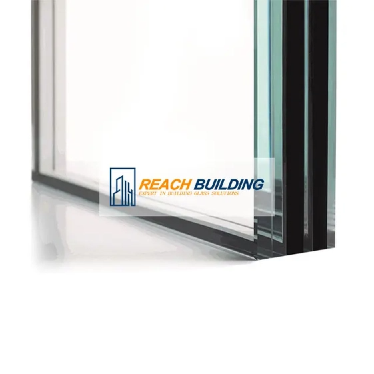
Insulated Glass (often abbreviated as IGU or IG) has become one of the most important innovations in modern construction. From skyscrapers with striking glass facades to cozy homes striving for energy efficiency, insulated glass plays a central role in shaping both aesthetics and performance. At its core, insulated glass is designed to reduce heat transfer, improve indoor comfort, and create safer living and working environments.
But what makes insulated glass so effective? A major part of the answer lies in what it is filled with. While the glass panes and spacers are critical, the invisible cavity between them—whether filled with air, argon, krypton, or other gases—determines much of the unit’s efficiency. The type of filling directly influences energy savings, noise insulation, condensation control, and even the overall longevity of the unit.
This article explores the materials insulated glass is filled with, how they impact performance, and how to choose the right filling for your project. By the end, you’ll understand why insulated glass is more than just two panes of glass—it’s a carefully engineered system designed for modern living.
1. Structure of Insulated Glass
1.1 Basic Components
Insulated glass is more than a simple pane; it is a multi-layered system. A standard Insulated Glass Unit (IGU) includes:
Glass panes: Two or more sheets of glass, often treated with coatings for enhanced performance. Low-E coatings, tempered glass, or laminated layers are commonly used to boost strength and efficiency.
Spacer bars: Hollow aluminum or composite bars that hold the panes apart at a fixed distance. These spacers may also contain thermal breaks to minimize heat transfer.
Sealants: Multiple layers of sealant are applied around the edges to keep the unit airtight and prevent moisture penetration. A high-quality secondary sealant is essential for long-term durability.
Desiccant: A moisture-absorbing material placed inside spacers to prevent condensation and fogging inside the cavity.
Each component contributes to the overall effectiveness of the IGU, but it is the cavity and its filling that largely define the unit’s insulating performance.
1.2 The Importance of the Cavity
Between the panes lies the cavity, the most critical part of an IGU. This cavity can be:
Air-filled: The most basic and economical choice.
Gas-filled: Infused with inert gases like argon, krypton, or xenon to enhance insulation.
The cavity acts as a thermal buffer zone, slowing down the movement of heat and cold through the glass. The wider and denser this space, the better the insulation. The filling also affects soundproofing, UV protection, and resistance to condensation. In short, the cavity is where much of the performance potential of insulated glass is realized.
2. Common Fillings in Insulated Glass
When asking “What is insulated glass filled with?” the answer typically comes down to air or inert gases. Let’s explore the most common options in greater detail.
2.1 Air-Filled Insulated Glass
Description: The cavity is filled with dry air, sealed tightly to prevent external moisture or dust from entering.
Advantages:
Most affordable filling option
Simple and efficient to manufacture
Provides moderate insulation that meets basic building codes
Limitations:
Less efficient compared to gas-filled IGUs
Higher rates of heat transfer
Reduced acoustic insulation compared to inert gases
Best Use: Standard residential applications in regions with mild climates where extreme energy efficiency is not required.
Air-filled IGUs remain popular because they are cost-effective and easy to produce, but they are generally outperformed by gas-filled alternatives in demanding climates.
2.2 Argon Gas Filling
Description: Argon is a colorless, odorless inert gas that is denser than air.
Advantages:
Significantly reduces thermal conductivity compared to air
Cost-effective upgrade with excellent return on investment
Readily available in the market
Provides better acoustic insulation than air
Limitations:
Less insulating than krypton or xenon
Performance depends on tight sealing to prevent gas leakage over time
Best Use: Residential and commercial buildings seeking affordable energy efficiency and compliance with stricter building codes.
Argon is by far the most commonly used filling, striking the perfect balance between cost and performance for the majority of projects.
2.3 Krypton Gas Filling
Description: Krypton is denser than argon, making it a premium filling option for high-performance IGUs.
Advantages:
Provides excellent insulation, even in thinner cavities
Allows for slim-profile IGUs without sacrificing efficiency
Superior noise reduction compared to air or argon
Limitations:
Considerably more expensive than argon
Less commonly available, requiring specialized manufacturing
Best Use: High-performance buildings, luxury residences, and projects where space is limited but insulation requirements are high.
Krypton’s effectiveness in narrow cavities makes it a strong choice for advanced architectural projects with strict energy efficiency targets.
2.4 Xenon Gas and Advanced Options
Description: Xenon is among the densest inert gases used in IGUs.
Advantages:
Exceptional thermal insulation, surpassing both argon and krypton
Excellent acoustic performance for noise-sensitive environments
Enhances comfort in climates with extreme temperatures
Limitations:
Very expensive and less widely used
Limited to specialized projects due to cost constraints
Best Use: Premium architecture, laboratories, museums, and other projects requiring maximum energy efficiency and comfort.
Xenon is rarely used in everyday construction but represents the pinnacle of insulated glass technology for specialized projects.
![Insulated Glass]()
3. Comparison of Different Fillings
To better understand the differences between fillings, the following table summarizes key aspects:
Filling Type | Thermal Performance | Sound Insulation | Cost Level | Typical Application |
Air | Moderate | Basic | Low | Standard homes |
Argon Gas | High | Moderate | Medium | Residential & commercial |
Krypton Gas | Very High | High | Higher | Premium & high-rise |
Xenon Gas | Exceptional | Very High | Very High | Specialized projects |
The comparison makes it clear why argon gas is the most widely adopted solution. It offers superior performance to air at a reasonable cost, while krypton and xenon are generally reserved for specialized or high-end construction.
4. Benefits of Gas-Filled Insulated Glass
4.1 Energy Efficiency
Gas-filled IGUs significantly lower heat transfer compared to air-filled units. This translates into:
Reduced heating costs during winter months
Lower cooling expenses during summer
Consistent indoor temperatures, minimizing reliance on HVAC systems
Improved alignment with green building standards and sustainability goals
4.2 Acoustic Comfort
Noise reduction is another important benefit. Denser gases such as krypton and xenon help reduce sound transmission, making them ideal for properties located near busy roads, airports, or industrial zones. Even argon-filled units outperform air-filled versions in controlling external noise.
4.3 Durability and Condensation Control
Gas fillings, when properly sealed, minimize condensation buildup inside the IGU. This not only improves visibility but also extends the lifespan of the unit, preventing structural issues caused by trapped moisture. Well-manufactured gas-filled IGUs can provide reliable performance for 20 years or more with little maintenance.
5. Choosing the Right Filling for Your Project
5.1 Factors to Consider
When selecting the right insulated glass filling, consider the following factors:
Climate conditions: Cold or hot climates benefit more from argon, krypton, or xenon compared to air.
Budget: Argon offers the best balance between affordability and performance.
Building type: Residential, commercial, or specialized projects have different requirements. Premium projects may justify krypton or xenon for superior insulation.
Design constraints: Slim frames or narrow cavities may require krypton for optimal efficiency.
5.2 Expert Recommendation
Because performance depends not only on the type of filling but also on manufacturing precision and sealing quality, working with an experienced manufacturer is essential.
Hangzhou Reach Building Co., Ltd. stands out as a trusted partner in the insulated glass industry. The company provides:
Customized insulated glass units filled with air, argon, krypton, or xenon
Advanced production processes ensuring minimal gas leakage and long-term durability
Professional guidance to help clients choose the most suitable solution for their projects
6. Conclusion
Insulated Glass is not simply about multiple panes of glass—it is about what lies between them. Whether filled with air, argon, krypton, or xenon, each filling option influences energy efficiency, sound insulation, cost, and overall performance.
For most construction projects, argon-filled insulated glass offers the best balance of affordability and performance. Krypton and xenon are excellent for premium and specialized applications, while air-filled IGUs remain cost-effective for standard builds in mild climates.
To ensure your project benefits from the right solution, it’s essential to partner with experts. Hangzhou Reach Building Co., Ltd. delivers high-quality insulated glass units tailored to the needs of residential, commercial, and specialized construction projects. By choosing an experienced manufacturer, you gain superior products backed by technical expertise that ensures both long-term efficiency and comfort.
If you are considering insulated glass for your next project, contact Hangzhou Reach Building Co., Ltd. today to explore customized solutions designed for energy savings, durability, and aesthetic appeal.