Low-emissivity (Low-e) coated glass is a revolutionary advancement in the construction and design industries, offering enhanced thermal performance, energy efficiency, and protection from UV radiation. It’s particularly popular in windows, doors, and facades of both residential and commercial buildings. However, a common concern surrounding Low-e coated glass is its potential impact on visibility, especially when used in large-scale glass installations.
In this article, we will address whether Low-e coated glass affects visibility, and if so, to what extent. We will explore how the coating works, the science behind it, its effects on light transmission, and how it impacts the clarity of views through glass. By the end of this article, you’ll have a clearer understanding of Low-e coatings and whether they meet your specific needs for both energy efficiency and visual clarity.
Contents:
1.What is Low-e Coated Glass?
2.How Does Low-e Coated Glass Affect Visibility?
3.Comparing Low-e Glass with Standard Glass
4.Factors That Influence the Impact on Visibility
5.Low-e Glass and Its Aesthetic Impact
6.Why Low-e Coated Glass is Worth Considering
7.Conclusion
8.FAQ
What is Low-e Coated Glass?
Low-e coated glass features a thin metallic layer applied to the surface of the glass. This coating is designed to reflect infrared light (heat) while allowing visible light to pass through. Low-e coatings are typically applied in two ways: hard-coat and soft-coat, each offering varying degrees of effectiveness depending on the application.
The key goal of Low-e coatings is to improve energy efficiency. By reflecting heat back into the building during the winter and blocking heat from entering in the summer, Low-e glass helps maintain a stable internal temperature, reducing reliance on heating and cooling systems.

Different Types of Low-e Coatings
| Type of Coating | Characteristics | Pros | Cons |
| Hard-Coat Low-e | Permanent, baked onto the glass | Durable, cost-effective, better UV protection | Less effective in blocking heat, limited use in double-glazing |
| Soft-Coat Low-e | Applied using a vacuum process | Higher performance, superior thermal control | More expensive, can be scratched easily without protective layers |
How Does Low-e Coated Glass Affect Visibility?
The primary function of Low-e glass is to reduce heat transfer, but its influence on visibility is a concern for many. Let’s break down the specific factors that could affect clarity:
Light Transmission and Transparency
One of the most common concerns about Low-e coated glass is its impact on light transmission. The thin metallic layer that makes Low-e glass energy-efficient can also slightly reduce the amount of light passing through the glass. This could result in a subtle decrease in overall brightness or an appearance of dimness in interior spaces. However, the level of this reduction varies based on the type of coating and the manufacturer’s technology.
Soft-coat Low-e glass, for example, typically offers a higher level of transparency compared to hard-coat options, allowing more natural light into the space without significantly affecting visibility. In most residential and commercial applications, the reduction in visible light is negligible and doesn’t substantially impact the overall aesthetic or function of the window.
The Effect of Reflection
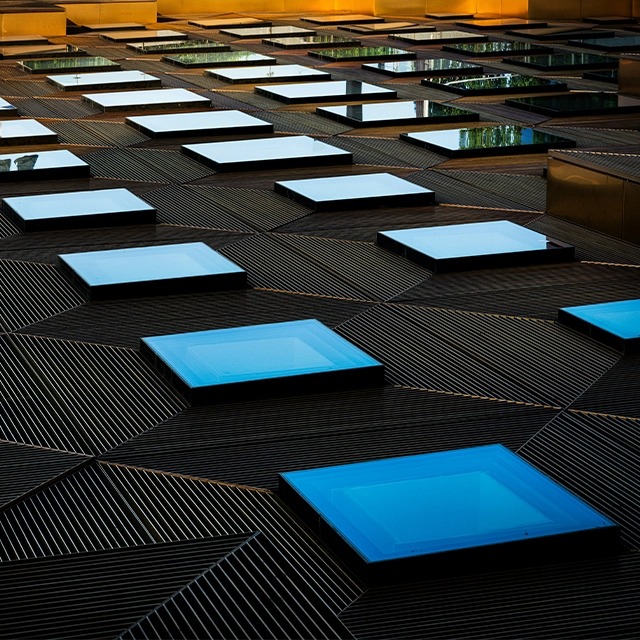
Another factor to consider is the reflective quality of Low-e glass. Due to the metallic coating, the glass may exhibit a slightly mirrored appearance, especially when viewed from certain angles or in direct sunlight. This can reduce visibility in some cases, particularly when looking from the inside out. While the reflection is usually subtle, it could be more noticeable in certain architectural designs, such as large glass facades or windows with a lot of direct sunlight exposure.
However, modern Low-e coatings are designed to minimize this effect, allowing the glass to remain relatively transparent while still offering thermal and UV protection. In most cases, the impact on visibility is minimal and not a major drawback.
Comparing Low-e Glass with Standard Glass
To fully understand the impact of Low-e coatings on visibility, it’s important to compare Low-e glass with regular, uncoated glass. Standard glass has no reflective or insulating properties and transmits both heat and light freely. This can lead to significant energy loss, increased heating and cooling costs, and higher UV exposure inside the building.
Key Differences Between Low-e Coated Glass and Standard Glass
| Feature | Low-e Coated Glass | Standard Glass |
| Thermal Efficiency | High (reflects heat) | Low (heat is transferred) |
| UV Protection | Blocks up to 99% of UV rays | No UV protection |
| Light Transmission | Moderate (depending on coating) | High (clear view) |
| Visibility | Slight reduction in clarity (depending on the coating) | No reduction in clarity |
While standard glass offers better visibility with no reduction in light transmission, Low-e glass provides far superior performance in terms of energy efficiency, UV protection, and thermal insulation. In most applications, the benefits of Low-e glass far outweigh any minor reductions in clarity or light transmission.
Factors That Influence the Impact on Visibility
Several factors determine how much Low-e coated glass will affect visibility in a given application. These factors include:
The Type of Low-e Coating: As discussed, soft-coat Low-e glass tends to allow more light to pass through compared to hard-coat options.
Glass Thickness: Thicker glass may result in more noticeable reflections and reduced transparency, as it can create more layers for light to pass through.
Angle of View: The visibility from different angles will vary. Low-e coatings often show more reflection when viewed at an angle, especially in direct sunlight.
Lighting Conditions: The time of day and the amount of sunlight hitting the glass will affect how noticeable the coating’s impact on visibility is.
Low-e Glass and Its Aesthetic Impact
Many property owners are concerned that Low-e glass might interfere with the visual aesthetics of their buildings, either by causing an undesirable reflection or by dimming the interior. Fortunately, advancements in Low-e coating technologies have minimized these effects.
Soft-coat Low-e glass, for instance, offers a more natural and clear appearance without the reflective sheen of older hard-coat versions. Additionally, in modern architectural designs, Low-e glass is often used in conjunction with other materials, such as tinted or textured glass, to enhance both energy efficiency and aesthetic appeal. For applications like skylights or curtain walls, Low-e glass offers a perfect balance between energy performance and visual clarity.

Why Low-e Coated Glass is Worth Considering
Despite the minor effects on visibility, Low-e coated glass brings numerous benefits that make it a worthwhile investment in the long run. Let’s summarize the advantages:
Energy Efficiency: By blocking heat transfer and UV rays, Low-e glass helps regulate indoor temperatures, reducing the need for air conditioning and heating.
UV Protection: Low-e coatings can block up to 99% of UV rays, protecting both interiors and occupants from harmful sun exposure.
Increased Comfort: The improved thermal insulation offered by Low-e glass creates a more comfortable indoor environment, without the discomfort of hot or cold spots near windows.
Long-Term Savings: Reduced energy costs and extended lifespan of furniture and flooring due to UV protection provide substantial savings over time.
Applications of Low-e Coated Glass
Low-e glass is widely used in the following areas:
Windows and Doors: To increase thermal insulation and reduce energy costs.
Commercial Buildings: In facades and large glazing areas to maintain temperature control and improve occupant comfort.
Automobiles: Some vehicle manufacturers use Low-e glass to enhance fuel efficiency by reducing the heat load inside the vehicle.
Conclusion
Low-e coated glass is an excellent solution for improving energy efficiency and protecting against UV radiation. While it may slightly reduce visibility through the glass in certain conditions, the impact on clarity is minimal in most cases. The trade-off for better thermal performance, reduced glare, and UV protection is well worth it for most applications. Whether for residential, commercial, or automotive use, Low-e glass provides a balance of energy efficiency and visual quality that enhances the overall comfort and sustainability of buildings and products.
FAQ
1. Does Low-e glass completely block all light?
No, Low-e glass does not block all light. It primarily reflects heat and blocks UV rays, while still allowing visible light to pass through. The reduction in visible light is minimal and generally not noticeable.
2. Can Low-e glass be used in all types of windows?
Yes, Low-e glass can be used in most types of windows, including double-glazed and triple-glazed windows. However, it’s essential to choose the right type of Low-e coating based on your specific needs (e.g., energy efficiency, visibility, or aesthetics).
3. How can I improve visibility when using Low-e glass?
To minimize the impact on visibility, opt for soft-coat Low-e glass, which offers higher transparency. Additionally, consider the placement and orientation of the glass to reduce reflections caused by sunlight.
4. Will Low-e glass affect the appearance of my building’s exterior?
While Low-e glass can create a slight reflective effect, modern coatings are designed to blend with the overall aesthetics of the building. The effect is often subtle and may even enhance the appearance, especially in contemporary designs.