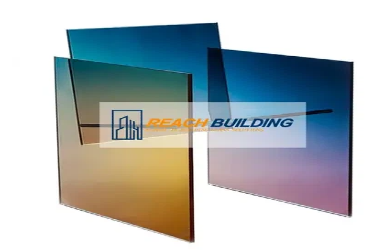
Coated glass is glass that has been treated with a special surface coating to improve properties such as solar control, thermal insulation, light transmission, or appearance, while laminated glass is made by bonding two or more pieces of glass together with an interlayer to enhance safety, security, and acoustic performance. In modern architecture, combining these two technologies is increasingly important because buildings are expected to deliver not only visual appeal, but also better energy efficiency, occupant comfort, and higher safety standards. By integrating coating performance with laminated construction, architects and builders can create glass systems that meet both functional and aesthetic demands in facades, skylights, windows, and other applications. This leads to an important question for designers, contractors, and buyers alike: can coated glass be laminated successfully without affecting its performance or durability?
1.What Are Coated Glass and Laminated Glass?
What Is Coated Glass?
Coated glass is glass with a thin surface layer applied to improve specific properties such as thermal insulation, solar control, light transmission, or decorative appearance. This coating allows the glass to do more than simply provide transparency, making it a valuable material in modern architectural and interior applications.
Common Types of Coated Glass
Low-E Coatings
Low-E, or low-emissivity, coatings are designed to reduce heat transfer and improve thermal insulation. They help keep indoor spaces warmer in cold weather and cooler in hot weather, making them an important option for energy-efficient buildings.
Reflective Coatings
Reflective coatings reduce solar heat gain and create a more mirror-like exterior appearance. They are often used in commercial buildings where both solar shading and a modern facade effect are desired.
Solar Control Coatings
Solar control coatings are developed to balance daylight entry with reduced glare and lower heat buildup. They help improve indoor comfort while supporting better energy performance in buildings exposed to strong sunlight.
Decorative Coatings
Decorative coatings are mainly used to enhance the visual effect of glass. They can add color, texture, privacy, or a unique design feature, making them suitable for both interior and exterior architectural projects.
What Is Laminated Glass?
Laminated glass is made by bonding two or more glass panes together with an interlayer. If the glass breaks, the fragments remain attached to the interlayer instead of falling apart, which improves safety and security. In addition to impact resistance, laminated glass can also provide sound insulation and UV protection.
Common Interlayers Used in Laminated Glass
PVB
PVB, or polyvinyl butyral, is one of the most commonly used interlayer materials in architectural laminated glass. It offers reliable adhesion, good optical clarity, and effective safety performance for a wide range of standard applications.
SGP
SGP, or ionoplast interlayer, provides higher strength and rigidity than traditional PVB. It is often used in structural or high-performance glazing systems where greater load resistance and durability are required.
EVA
EVA, or ethylene-vinyl acetate, is commonly used in decorative and specialty laminated glass. It can also be suitable for certain outdoor applications, depending on the design and processing requirements.
2.Can Coated Glass Be Laminated?
The short answer is yes—coated glass can be laminated in many applications. However, whether lamination is successful depends on the specific coating type, the glass configuration, and the intended end use. In practice, coated glass and laminated glass can work together very effectively, but only when the materials and processing conditions are carefully matched.
It Depends on the Coating Type and Product Design
Not all coated glass products are designed in the same way. Some coatings are more durable and better suited to further processing, while others are more sensitive and require special handling or specific placement within the glass assembly. The final product design also matters, including the glass thickness, interlayer type, coating position, and performance requirements. For this reason, the question is not simply whether coated glass can be laminated, but whether a particular coated glass product is compatible with a particular laminated glass structure.
Not Every Coating Performs the Same in Lamination
Different coatings behave differently during the lamination process. Some can maintain stable adhesion, appearance, and performance after heat and pressure are applied, while others may be more vulnerable to visual defects, bonding issues, or long-term durability concerns. Even coatings that serve similar functions, such as solar control or thermal insulation, may not respond the same way in production. This is why coating category alone is not enough to determine suitability.
Proper Technical Evaluation Is Necessary Before Production
Before production begins, the coated glass should be evaluated for lamination compatibility under actual processing conditions. This evaluation should consider factors such as interlayer adhesion, heat resistance, coating orientation, optical quality, and long-term stability. In many cases, technical data, sample testing, or consultation with the manufacturer is necessary to confirm that the coated glass can be laminated without compromising safety, performance, or appearance.

3.Key Factors to Consider
When laminating coated glass, several technical factors must be carefully evaluated to ensure the final product performs well in terms of safety, durability, and appearance.
Coating Durability
The first factor is the durability of the coating itself. Some coatings are more robust and can better withstand handling, processing, and long-term use, while others are more sensitive and require greater protection during manufacturing. Understanding the durability level of the coating is essential before deciding whether it is suitable for lamination.
Coating Position
The position of the coating within the final glass assembly is also critical. In laminated glass, the coating may need to be placed on a specific surface to protect it from damage and to maintain the intended performance. Incorrect coating placement can affect adhesion, visual quality, and long-term reliability.
Interlayer Compatibility
Not every coating works equally well with every interlayer material. The compatibility between the coating and interlayer, such as PVB, SGP, or EVA, must be confirmed to ensure proper bonding and stable performance. Poor compatibility may lead to adhesion problems or reduced durability over time.
Heat Resistance During Processing
Laminating coated glass often involves heat and pressure, so the coating must be able to tolerate processing conditions without degrading. If the coating is not heat-resistant enough, it may lose performance, change appearance, or become damaged during production.
Optical Quality After Lamination
Visual performance is another important consideration. After lamination, the glass should maintain good clarity, consistent color, and an even appearance. Any issues such as haze, distortion, bubbles, or unexpected reflection changes can reduce product quality and affect the overall architectural result.
Long-Term Edge Stability
Edge stability is especially important for long-term durability. If the edges of laminated coated glass are exposed to moisture or environmental stress, poor edge performance may increase the risk of delamination or coating-related failure over time. For this reason, edge quality and proper sealing should always be taken into account.
4.Benefits of Laminated Coated Glass
Laminated coated glass offers a practical combination of performance, protection, and design value, making it a preferred choice in many modern architectural applications.
Combines Energy Efficiency with Safety
One of the main advantages of laminated coated glass is that it brings together the functional benefits of coated glass and the protective qualities of laminated glass. The coating can improve thermal insulation, solar control, or light management, while the laminated structure enhances impact resistance and safety. This combination makes it especially useful in buildings that require both energy performance and secure glazing solutions.
Improves Sound Insulation
Laminated coated glass can also help reduce noise transmission. The interlayer inside laminated glass acts as a barrier that absorbs and weakens sound vibrations, creating a quieter indoor environment. When used in offices, hotels, homes, or buildings near busy roads, this feature can significantly improve occupant comfort.
Enhances UV Protection
Another important benefit is improved protection against ultraviolet radiation. Laminated glass can block a large portion of harmful UV rays, which helps reduce fading and damage to interior furniture, flooring, artwork, and fabrics. This makes laminated coated glass a valuable option for spaces where long-term interior protection is important.
Provides Better Post-Breakage Security
If the glass breaks, the interlayer holds the fragments together instead of allowing them to scatter. This reduces the risk of injury and makes it more difficult for the glass opening to be easily penetrated. As a result, laminated coated glass offers better post-breakage security than many standard glazing options.
Supports Both Performance and Aesthetics
Laminated coated glass is not only functional but also visually versatile. It can support a wide range of architectural goals by offering improved energy performance, safety, light control, and appearance at the same time. Whether used in facades, skylights, partitions, or balustrades, it helps designers achieve both technical requirements and aesthetic expectations.
FAQ
1. Can all coated glass be laminated?
No. Some coated glass products are suitable for lamination, while others need specific configurations or are not recommended.
2. Can Low-E glass be laminated?
Yes. Many Low-E glass products can be laminated, but coating location and compatibility must be carefully controlled.
3. What is the main challenge in laminating coated glass?
The main challenge is ensuring proper adhesion and avoiding coating damage or visual defects during processing.
4. Where is laminated coated glass commonly used?
It is commonly used in facades, skylights, windows, balustrades, and other architectural applications requiring both safety and performance.
Conclusion
In conclusion, coated glass can be laminated in many architectural and specialty applications, but successful results depend on selecting the right coating and using the correct processing method. Because different coatings vary in durability, adhesion, and heat resistance, careful material matching is essential to ensure the final laminated glass performs well in terms of safety, appearance, and long-term reliability. For this reason, suppliers and manufacturers should always confirm product compatibility, processing requirements, and technical details before moving into mass production.