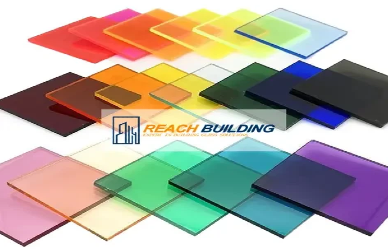
When specifying Coated Glass for a building project, one of the most common questions is whether reflective glass or Low-E glass is the better choice. Both are high-performance glazing options, but they are designed to solve slightly different problems. Reflective glass is typically selected to reduce solar radiation, manage glare, and create a stronger mirrored façade effect, while Low-E glass is primarily used to control heat transfer, improve thermal insulation, and support overall energy efficiency. Because modern buildings must balance comfort, performance, and design, the best choice depends on what matters most in the project: façade appearance, solar control, daylight, indoor temperature stability, or a combination of these goals.
1.What Is Reflective Glass?
How Reflective Glass Works
Reflective glass is a type of Coated Glass designed to reflect part of the sun’s radiation away from the building while also creating a more pronounced exterior reflectivity. Official product guidance from Guardian shows that reflective glass ranges are offered at different reflectivity levels, while Pilkington explains that solar control glass can allow daylight to pass through while reflecting and radiating away a significant amount of the sun’s heat. In practical terms, this means reflective glass is often used when a project needs lower glare, stronger solar shading, and a more visually distinctive building envelope.
Where Reflective Glass Fits Best
Reflective Coated Glass is often well suited to commercial façades, curtain walls, glazed elevations, and projects where exterior image matters as much as technical performance. Guardian notes that reflective glass products can be selected for different aesthetic outcomes, and Pilkington highlights solar control glazing for large façades and other situations where excessive solar heat gain is likely to be a concern. As a result, reflective glass is often chosen when architects want a stronger exterior identity, a mirrored appearance, or more visible glare control in high-sunlight conditions.
2.What Is Low-E Glass?
How Low-E Glass Works
Low-E glass is Coated Glass with a low-emissivity coating that helps control heat transfer through the glazing. Guardian explains that Low-E coatings can provide varying levels of thermal insulation and solar control, while still allowing natural light into interior spaces. Vitro similarly distinguishes between passive Low-E products and solar control Low-E products, showing that not all Low-E glass is the same. Some Low-E coatings are more focused on retaining indoor heat in colder conditions, while solar control Low-E glass is designed to limit the amount of solar heat entering a building, which is especially useful in warm climates and highly exposed façades.
Why Low-E Glass Is Widely Specified
Low-E Coated Glass is widely specified because it usually offers a more balanced combination of daylight, comfort, and energy performance than traditional solar control solutions alone. Guardian notes that Low-E glazing helps improve occupant comfort while contributing to building energy efficiency, and Vitro’s product line shows that solar control Low-E glass is often engineered for a clear, color-neutral look while still delivering strong solar performance. This makes Low-E glass especially attractive for residential buildings, offices, schools, and mixed-use projects where the goal is not only to reduce heat gain or heat loss, but also to create a comfortable and visually pleasant indoor environment.
3.Reflective Glass vs Low-E Glass: What Is the Main Difference?
The Difference in Performance Priorities
The main difference between reflective glass and Low-E glass lies in what each product is primarily designed to optimize. Reflective glass places more emphasis on solar reflection, glare control, and façade expression, while Low-E glass is usually selected for thermal performance, energy efficiency, and better temperature control across seasons. Guardian’s Low-E guidance focuses on insulation and solar control performance, while its reflective glass range emphasizes different reflectivity levels and aesthetic options. In simple terms, if the project priority is keeping interiors comfortable and energy-efficient with a more neutral look, Low-E glass is often the stronger all-around choice; if the priority is stronger reflection and a more dramatic façade effect, reflective glass may be the better fit.
The Difference in Visual Effect and Building Character
Another important difference is appearance. Reflective Coated Glass can noticeably change the visual character of a building, giving it a more mirrored or high-gloss exterior, while many Low-E glass products are designed to remain relatively neutral and transparent. Vitro highlights solar control Low-E products with clear or color-neutral appearance, whereas Guardian’s reflectivity guidance explicitly positions reflectivity as a selectable architectural feature. This means the choice is not only technical. It also affects how the building is perceived from the outside, how much transparency is preserved, and how closely the façade aligns with the architect’s design intent.
4.When Reflective Glass May Be the Better Choice
Projects That Prioritize Glare Control and Façade Identity
Reflective Coated Glass may be the better choice when the project needs strong daylight management, a more expressive façade, or a noticeable reflective appearance. Pilkington states that solar control glass is used in hot conditions or in buildings with high internal loads to minimize solar heat gain, and Guardian notes that reflective glass options can be chosen according to the desired level of reflectivity. For office towers, commercial facades, transport buildings, and projects where image and visual privacy during the day are part of the design concept, reflective glass can offer a compelling balance of solar performance and exterior style.

5.When Low-E Glass May Be the Better Choice
Projects That Prioritize Energy Efficiency and Comfort
Low-E Coated Glass may be the better choice when energy performance, thermal comfort, and balanced daylight are the leading priorities. Guardian explains that Low-E coatings help control indoor temperatures through thermal insulation and solar control, and Vitro’s solar control Low-E lines are specifically positioned to combine solar performance with neutral aesthetics. For homes, offices, schools, hotels, and most mixed-use projects, Low-E glass is often preferred because it can improve indoor comfort without imposing the stronger mirrored look associated with reflective glazing. In many specifications, especially where long-term building performance matters, Low-E glass becomes the more flexible and broadly applicable solution.
6.Reflective Glass vs Low-E Glass Comparison Table
The table below summarizes the practical differences between the two main Coated Glass options and can help guide specification decisions. The comparison reflects official manufacturer guidance on thermal performance, solar control, reflectivity, and daylight management.
Feature | Reflective Glass | Low-E Glass |
Main Purpose | Reduce solar radiation, control glare, create a mirrored façade effect | Improve thermal insulation and/or solar control while supporting energy efficiency |
Exterior Appearance | More reflective, more visually dramatic | Usually more neutral and transparent |
Daylight Strategy | Can reduce glare and alter transmitted light more noticeably | Often balances daylight with energy performance |
Energy Performance | Can support solar control, especially in sunny conditions | Usually stronger all-around thermal and energy performance |
Best Fit | Commercial façades, design-led projects, strong reflectivity goals | Residential, office, mixed-use, comfort-driven projects |
Climate Suitability | Often useful in sunny or hot conditions | Broadly applicable; solar control Low-E is especially useful in warm climates |
Design Trade-Off | Stronger façade image but less neutral look | Better all-around comfort but less dramatic reflectivity |
This comparison shows why the question is not simply which product is “better” in general, but which Coated Glass better matches the intended building performance and architectural expression. In many cases, Low-E glass wins on comfort and energy efficiency, while reflective glass wins on façade identity and stronger visible solar control.
7.How to Make the Right Choice
Check Climate, Orientation, and Performance Goals First
The best way to choose between reflective glass and Low-E glass is to begin with the building’s actual conditions. Climate, façade orientation, glazing area, glare exposure, and thermal targets all matter. Pilkington emphasizes solar control where excessive heat gain is likely, and Guardian’s Low-E guidance shows that different coatings offer different combinations of solar control and insulation. A west-facing commercial façade in a hot climate may justify stronger reflective or solar control solutions, while a residential project that needs year-round comfort and clearer views may be better served by Low-E glass. In other words, good specification starts with the project’s exposure and performance goals, not just with appearance alone.
Balance Aesthetics, Budget, and Glazing System Compatibility
After climate and performance targets are clear, the next step is to balance visual goals, cost, and compatibility with the overall glazing system. Some projects want a neutral exterior, some want a mirrored identity, and some need both strong solar control and high visible light transmission. Vitro shows that solar control Low-E products can offer a more color-neutral look, while reflective ranges provide stronger aesthetic expression. Budget and fabrication requirements also matter, because the “best” Coated Glass is the one that achieves the required performance within the practical limits of the project.
FAQ
Is reflective glass better for west-facing façades?
Reflective Coated Glass can be a strong option for west-facing façades because those elevations often receive intense afternoon sun and glare. However, solar control Low-E glass may also perform very well if the project needs better overall comfort and a less mirrored appearance. The better choice depends on whether the priority is stronger façade reflectivity or more balanced energy performance.
Does Low-E glass work in hot climates as well as cold climates?
Yes. Official Low-E guidance shows that different Low-E coatings are designed for different climate needs. Passive Low-E products are more focused on retaining heat, while solar control Low-E glass is specifically designed to limit solar heat gain and is therefore very useful in warm or cooling-dominated climates.
Will reflective glass provide privacy at night?
Reflective glass can improve daytime privacy by making the exterior more reflective under certain lighting conditions, but it does not guarantee privacy at night when indoor lighting is stronger than outdoor light. Because reflectivity and visibility change with lighting conditions, privacy expectations should be considered carefully during specification. The official product pages emphasize reflectivity and façade appearance rather than promising full nighttime privacy.
Can Low-E glass still help with glare control?
Yes, in many cases it can. While reflective glass is more strongly associated with visible glare reduction and mirror-like appearance, some solar control Low-E products are designed to balance solar control, visible light transmission, and visual comfort. That means Low-E glass can still support glare management while maintaining a more neutral look.
Conclusion
Both reflective glass and Low-E glass are valuable Coated Glass solutions, but they are not designed for exactly the same priorities. Reflective glass is often the stronger choice when the project calls for a mirrored façade, stronger visual solar control, and a distinctive exterior image. Low-E glass is usually the better all-around option when the focus is energy efficiency, thermal comfort, and balanced daylight with a more neutral appearance. For most projects, the best decision comes from matching the glass to the climate, orientation, performance targets, and architectural intent of the building. As a professional architectural glass supplier, HANGZHOU REACH BUILDING CO., LTD. can help customers evaluate the right Coated Glass solution for different façade, window, and door applications.