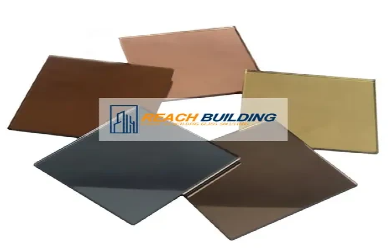
Coated glass is glass that has been treated with a special surface coating to improve functions such as thermal insulation, solar control, glare reduction, or decorative appearance. In both architectural and interior applications, the durability of this coating is an important concern because it directly affects long-term performance, visual quality, and maintenance requirements. A durable coating can help the glass maintain its intended energy-saving, aesthetic, or protective properties over time, while a less stable coating may be more vulnerable to scratches, chemical damage, or environmental wear. This leads to a key question for designers, builders, and buyers: how durable is the coating on coated glass in real-world use?
1.What Determines the Durability of a Glass Coating?
The durability of a glass coating depends on several technical and practical factors, not just the coating itself. In real applications, long-term performance is influenced by how the coating is made, how resistant it is to processing and environmental exposure, and how well the glass is installed and maintained after production. Understanding these factors is essential for selecting the right coated glass for a specific project.
Coating Composition and Manufacturing Method
One of the most important factors is the composition of the coating and the method used to apply it. Different coating materials are designed for different purposes, such as thermal insulation, solar control, or decorative performance, and their durability can vary accordingly. The manufacturing process also plays a major role, because it affects how strongly the coating bonds to the glass surface and how well it performs over time.
Whether the Coating Is Hard Coat or Soft Coat
Durability is also closely related to whether the product uses a hard coat or a soft coat. Hard-coated glass generally offers better surface toughness and can usually tolerate handling and exposure more effectively. Soft-coated glass, by contrast, often provides higher performance in terms of energy efficiency or solar control, but it is typically more sensitive and may require protected placement within an insulated or laminated glass unit.
Exposure to Moisture, Heat, Chemicals, and Abrasion
Environmental and physical exposure can have a significant effect on coating life. Moisture, temperature fluctuations, chemical contact, and mechanical abrasion may all reduce durability if the coating is not properly protected. For example, harsh cleaning agents, rough handling, or continuous exposure to demanding outdoor conditions can damage the coated surface or affect its appearance and performance over time.
The Role of Installation and Long-Term Maintenance
Even a high-quality coating may underperform if the glass is installed incorrectly or maintained poorly. Proper storage, transportation, edge protection, installation methods, and routine cleaning all help preserve the coating’s condition. Long-term maintenance is especially important in projects where coated glass is exposed to frequent cleaning, weathering, or heavy use, as these conditions can gradually influence both appearance and functional performance.
2.Are All Coatings Equally Durable?
Not all glass coatings offer the same level of durability. Although coated glass is designed to improve performance, different coatings behave differently in terms of handling, processing, environmental resistance, and long-term stability. For this reason, coating durability should never be treated as a fixed characteristic across all products. Instead, it must be evaluated based on the specific coating type and how the glass will be used.
Different Coatings Perform Differently
Each coating is developed for a particular purpose, such as thermal insulation, solar control, reflection, or decoration, and this directly affects its durability profile. Some coatings are designed to deliver higher energy performance, while others focus more on appearance or light control. As a result, their resistance to heat, moisture, abrasion, and chemical exposure can vary significantly.
Some Coatings Are More Resistant to Handling and Environmental Exposure
Certain coatings are more durable during manufacturing, transportation, installation, and daily use. These coatings are generally better able to resist surface contact, environmental stress, and routine cleaning without losing their performance or appearance. In applications where the coated surface may face more exposure, this higher level of resistance becomes especially important.
Others Require Protected Placement Inside Insulated or Laminated Glass Units
Other coatings are more sensitive and must be placed in a protected position to maintain their effectiveness over time. In many cases, these coatings are intended to be sealed inside insulated glass units or incorporated into laminated glass structures, where they are shielded from direct contact, moisture, and mechanical damage. This protected placement helps preserve both the coating’s durability and its functional performance.
3.Main Factors That Affect Coating Durability
The durability of a glass coating is affected by several practical and technical factors, including exposure, handling, chemical contact, and temperature. Even a high-performance coating can lose effectiveness if it is not properly protected or processed. Understanding these factors helps ensure better long-term results.
Surface Exposure
One key factor is whether the coated surface is exposed or protected inside the glazing system. An exposed coating is more likely to be affected by moisture, dirt, cleaning, and physical wear. A protected coating, such as one placed inside an insulated or laminated glass unit, is generally more durable over time.
Mechanical Resistance
Mechanical resistance refers to how well the coating can resist scratches, friction, and improper handling during production, transport, installation, and cleaning. Some coatings are tougher, while others need more careful handling to avoid visible damage or performance loss.
Chemical Stability
Chemical stability is also important because coated glass may be exposed to cleaning agents, sealants, pollution, or other substances. If the coating is sensitive to chemicals, its surface or function may be affected. That is why chemical compatibility should be considered during product selection.
Thermal Stability
Thermal stability means the coating can maintain its appearance and performance during processing and long-term use. Some coatings must withstand heat from tempering, laminating, or insulating, as well as temperature changes in actual service. A stable coating is more likely to perform reliably over time.
4.Durability Comparison Table
Different types of coated glass offer different levels of durability, depending on the coating technology, intended use, and whether the coated surface is protected in the final glazing system.
Coating Type | Typical Durability Level | Main Strength | Main Limitation | Common Use |
Low-E Soft Coat | Medium to High | Excellent thermal performance | Usually needs protected placement | Insulated glass units |
Hard Coat | High | Stronger surface durability | Lower performance flexibility in some cases | Windows and energy-saving glazing |
Reflective Coating | Medium to High | Good solar control and appearance | Surface damage may affect visual quality | Facades and commercial buildings |
Solar Control Coating | Medium to High | Reduces heat gain and glare | Performance depends on system design | Exterior glazing |
Decorative Coating | Varies | Strong visual effect | Durability depends on coating process and location | Interior and decorative glass |
This comparison shows that coating durability is not the same across all products. Some coatings are designed for stronger surface resistance, while others offer better thermal or visual performance but require more careful protection and system design.

5.How to Protect the Coating and Extend Service Life
To keep coated glass performing well over time, it is important to protect the coated surface during processing, installation, and daily use. Proper handling and maintenance can help preserve both appearance and functional performance.
Use the Correct Glass Configuration
The first step is to choose the right glass configuration for the coating type. Some coatings perform best when placed in a protected position within an insulated or laminated glass unit, where they are less exposed to damage and environmental stress.
Avoid Direct Contact with Abrasive Materials
The coated surface should not come into direct contact with abrasive materials, rough tools, or sharp objects. Scratches and surface wear can affect both the appearance and performance of the glass, so careful handling is essential.
Follow Proper Transportation, Storage, and Installation Practices
Good transportation, storage, and installation practices also play an important role in protecting the coating. Glass should be stored in clean, dry conditions and handled in a way that prevents friction, pressure damage, or contamination before installation.
Use Suitable Cleaning Methods and Non-Aggressive Chemicals
Cleaning should be carried out with soft materials and suitable, non-aggressive cleaners. Harsh chemicals or improper cleaning methods may damage the coating surface, so regular maintenance should always follow the manufacturer’s recommendations.
6.How to Protect the Coating and Extend Service Life
Proper protection is essential to maintain the appearance and performance of coated glass over time. By using the right glazing configuration, careful handling methods, and suitable cleaning practices, the coating can remain stable and effective for much longer.
Use the Correct Glass Configuration
Choosing the correct glass configuration is the first step in protecting the coating. Some coatings perform best when placed inside insulated or laminated glass units, where they are protected from direct exposure and physical damage.
Avoid Direct Contact with Abrasive Materials
The coated surface should be kept away from abrasive materials, rough tools, and sharp objects. Direct contact can cause scratches or surface wear, which may reduce both visual quality and functional performance.
Follow Proper Transportation, Storage, and Installation Practices
Careful transportation, storage, and installation are also important for coating protection. Glass should be stored in clean and dry conditions and handled in a way that avoids friction, contamination, and unnecessary pressure on the coated surface.
Use Suitable Cleaning Methods and Non-Aggressive Chemicals
Cleaning should be done with soft materials and mild, non-aggressive cleaners. Harsh chemicals or improper cleaning methods may damage the coating, so maintenance should always follow the manufacturer’s recommendations.
7.How Buyers Can Evaluate Coating Durability
Before selecting coated glass for a project, buyers should carefully assess whether the coating can meet the expected performance and service conditions. A proper evaluation helps reduce risks related to appearance, durability, and long-term reliability.
Review Technical Datasheets and Processing Recommendations
The first step is to review the product’s technical datasheet and processing guidelines. These documents can provide important information about coating type, application limits, handling requirements, and recommended fabrication methods.
Confirm Whether the Coating Is Intended for Exposed or Protected Use
Buyers should also confirm whether the coating is designed for exposed use or if it must be protected inside an insulated or laminated glass unit. This is essential because the wrong placement may affect both durability and performance.
Ask About Scratch Resistance, Chemical Resistance, and Weathering Performance
It is also important to ask the supplier about the coating’s resistance to scratches, chemicals, and long-term weather exposure. These factors can have a direct impact on how the glass performs in actual service conditions.
Request Samples or Mock-Up Testing for Project-Specific Validation
For important or large-scale projects, buyers should request samples or mock-up testing before final approval. This allows them to evaluate the coating’s appearance, durability, and compatibility under conditions that are closer to real use.
FAQ
1. How long does the coating on coated glass usually last?
The service life can be many years, but it depends on the coating type, glazing configuration, environmental exposure, and maintenance practices.
2. Can coated glass be damaged by improper cleaning?
Yes. Abrasive tools, harsh chemicals, and incorrect cleaning methods can damage the coated surface or affect its appearance.
3. Does outdoor exposure reduce coating durability?
It can. Coatings exposed to moisture, dirt, salt, sunlight, or pollution may face greater durability challenges than protected coatings.
4. How can I tell whether a coated glass product is durable enough for my project?
You should check the product specifications, confirm the intended application, and consult the supplier about durability testing and recommended use conditions.
Conclusion
In conclusion, coated glass can offer strong long-term durability when the right product is selected and applied in the proper glazing system. Its service life depends largely on the coating type, the level of surface protection, and the maintenance conditions throughout use. For this reason, careful specification, correct processing, and professional technical support are essential to achieving reliable performance. As a trusted supplier in architectural glass solutions, HANGZHOU REACH BUILDING CO., LTD. can help customers choose suitable coated glass products based on project requirements, application conditions, and long-term performance goals.