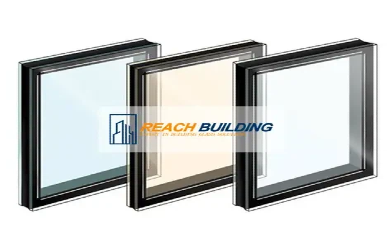
Choosing the right Coated Glass for a hot climate is no longer just a design decision. In warm and cooling-dominated regions, glass has a direct impact on indoor comfort, glare, solar heat gain, and air-conditioning demand. Industry guidance from major architectural glass manufacturers consistently points to the same principle: in hot climates, glazing should reduce solar heat gain while still allowing useful daylight into the building. That is why the central question is not simply whether Coated Glass is useful, but which type of Coated Glass performs best when sun exposure and cooling loads are high.
1.Why Hot Climates Need the Right Coated Glass
Strong sun exposure increases cooling pressure
In hot climates, large glazed areas can admit significant solar energy into a building, raising interior temperatures and increasing reliance on mechanical cooling. Pilkington explains that solar control glass is specifically used in hot conditions to minimize solar heat gain and help control glare, while Guardian notes that low SHGC or g-value glass is generally preferred where sun exposure is high. In practical terms, the wrong glass can make bright spaces feel overheated and uncomfortable, especially on east-, west-, and south-facing façades.
The goal is heat control without losing daylight
The best Coated Glass for hot climates should not simply make a building darker. High-performance glazing is expected to reduce unwanted heat while preserving useful visible light, because comfort depends on both thermal and visual performance. Guardian and Vitro both describe this balance through metrics such as SHGC and visible light transmission, showing that good hot-climate glass is often the product that admits daylight efficiently while limiting solar heat entry.
2.What Coated Glass Means in Hot-Climate Design
Coated Glass changes how glass manages heat and light
Coated Glass is standard float glass with a microscopically thin surface coating engineered to alter how it interacts with solar energy and long-wave heat. Depending on the coating, the glass may reflect part of the sun’s energy, reduce inward heat flow, improve insulation, or control glare. In hot climates, this matters because a properly selected coating can help maintain cooler interiors and support more energy-efficient façades, windows, skylights, and doors without sacrificing modern transparency.
Not all coated glass is designed for the same climate challenge
Some coatings are optimized mainly for thermal insulation, while others are built for stronger solar control. Guardian’s guidance distinguishes between climates by recommending lower SHGC in warm regions, and Pilkington similarly emphasizes solar control glass where excessive solar heat gain is likely to be an issue. This means that when discussing Coated Glass in hot climates, the real task is to identify products that are selective enough to reject heat without unnecessarily blocking daylight.
3.Main Types of Coated Glass Used in Hot Climates
Low-E Glass
Low-E glass uses a low-emissivity coating to reduce radiant heat transfer, making it an important option in energy-efficient glazing. However, not all low-E products are equally suitable for hot climates. Some are designed mainly for insulation, while others are better at solar control. In warm regions, low-E glass with a lower SHGC is usually the better choice.
Solar Control Low-E Glass
Solar control low-E glass is often the best all-around option for hot climates because it combines thermal performance with stronger solar heat reduction. It helps limit unwanted heat gain while still allowing useful daylight into the building, making it highly effective in cooling-dominated environments.
Reflective Coated Glass
Reflective Coated Glass can also work well in hot climates, especially when glare reduction and a mirrored exterior appearance are important. It helps reduce solar radiation, but compared with neutral solar control low-E glass, it has a stronger visual effect on the façade.
Tinted and Coated Combinations
Tinted glass combined with a high-performance coating can be useful in demanding hot-climate applications, especially on heavily sun-exposed façades. It can further reduce heat gain and glare, but darker glass is not always better, since lower light transmission may also reduce daylight quality indoors.
![]() 4.Which Coated Glass Is Usually Better for Hot Climates?
4.Which Coated Glass Is Usually Better for Hot Climates?
Solar Control Low-E Glass Is Usually the Best Overall Choice
For most hot-climate projects, solar control low-E glass is the most balanced option because it helps reduce solar heat gain while still allowing useful daylight indoors. In many cases, it performs better than simpler glazing options because it supports both cooling efficiency and indoor comfort.
The Best Answer Still Depends on the Project
However, the best choice is not the same for every building. Factors such as window size, façade orientation, climate conditions, occupancy, and design goals can all affect the final selection. A building with large west-facing glass may need stronger solar control than a shaded residential project. As a result, the best Coated Glass for hot climates is the one that offers the right balance of solar control, daylight, comfort, and appearance for the specific application.
5.Key Performance Metrics to Compare
SHGC or g-value
The most important metric in hot-climate glass selection is usually SHGC, also called the g-value in many markets. It measures how much solar energy passes through the glass. In general, the lower the SHGC, the less solar heat enters the building, which is why lower values are often preferred for windows and façades in hot, sunny regions.
Visible Light Transmission
Visible light transmission (VLT) shows how much daylight passes through the glazing. In hot climates, this is important because good Coated Glass should reduce heat gain without making interior spaces too dark. High-selectivity glass is often preferred because it maintains useful daylight while limiting solar heat.
Glare, Appearance, and Selectivity
Hot-climate glass selection also involves glare control and exterior appearance. Some coated glass products help reduce glare, while reflective or tinted options can also change the look of the façade. In many cases, the best Coated Glass is the one that balances low SHGC, good daylight, reduced glare, and the desired visual effect.

6.Coated Glass Comparison Table for Hot Climates
The table below synthesizes common hot-climate selection logic from major glass manufacturers’ guidance on SHGC, solar control, glare, and daylight performance. In general, products with stronger solar control and lower SHGC are better suited to cooling-dominated environments, while appearance and daylight goals influence which family is best for a given project.
Coated Glass Type | Hot-Climate Suitability | Main Advantage | Main Trade-Off | Best-Fit Applications |
Standard Low-E Glass | Good | Improves insulation and overall energy performance | Not all products provide strong enough solar control for very sunny façades | Mixed climates, moderate sun exposure |
Solar Control Low-E Glass | Excellent | Lowers solar heat gain while preserving useful daylight | Product selection must be matched carefully to façade exposure and daylight goals | Homes, offices, curtain walls, large windows in hot climates |
Reflective Coated Glass | Very Good | Strong solar control and glare reduction with a mirrored exterior effect | More pronounced exterior reflectivity and visual impact | Commercial façades, high-sun-exposure projects |
Tinted + Coated Glass | Good to Very Good | Additional glare and solar heat reduction | Can lower daylight and affect color neutrality | West-facing glass, atria, façades with intense sun |
Highly Selective Neutral Coated Glass | Excellent | Balances low SHGC with clearer, more neutral daylight | Often more specification-sensitive and potentially higher cost | Premium residential and commercial glazing |
This comparison shows why solar control low-E glass is often treated as the best overall Coated Glass option for hot climates: it typically achieves the most efficient compromise between solar heat reduction and daylight quality. Reflective and tinted combinations can still be highly effective, but they are usually chosen when the design brief calls for stronger glare control, a specific façade appearance, or extra shading on very demanding elevations.
7.When Reflective or Tinted Coated Glass May Be Better
Some projects need stronger glare control or a specific façade image
Although solar control low-E glass is often the leading choice, reflective or tinted Coated Glass can be preferable in some hot-climate projects. Reflective glazing may better suit buildings where façade identity matters and where stronger control of brightness is needed, while tinted combinations can help on aggressively exposed façades where solar load is especially severe. Pilkington’s solar control guidance supports this broader view by framing hot-climate glazing as a matter of rejecting solar radiation and managing glare according to project demands.
8.How to Choose the Right Coated Glass for a Hot-Climate Project
Start with climate, orientation, and cooling goals
The most reliable way to choose Coated Glass for hot climates is to begin with the building’s real conditions: local temperatures, solar intensity, façade orientation, window size, and cooling strategy. Guardian recommends low SHGC glass where sun exposure is high and notes that the right SHGC can help retain conditioned interior air in hot climates. That means east-, west-, and south-facing elevations often deserve the most careful glass selection, especially in projects with large glazed areas.
Then balance daylight, appearance, and system compatibility
After solar control targets are defined, the next step is to balance daylight, glare, aesthetics, and compatibility with the full glazing system. A high-performing coating must work with the intended insulating glass configuration, framing system, and visual goals of the project. The best specification is usually not the darkest or most reflective glass, but the one that delivers the required solar performance while preserving a comfortable indoor environment and the desired architectural language.
FAQ
Can coated glass help reduce air-conditioning costs in hot climates?
Yes. Because lower-SHGC Coated Glass reduces the amount of solar heat entering the building, it can lower cooling demand and support better energy performance in hot climates. Industry guidance consistently links lower SHGC with less transmitted solar heat and lower cooling energy needs.
Is double glazing necessary when using coated glass in a hot climate?
Not in every case, but many high-performance hot-climate solutions are used within insulated glass units because the overall system—not the coating alone—determines final thermal and solar performance. Guardian specifically notes that surface placement within the glazing build-up affects performance, which is why the full insulated configuration often matters.
Does darker glass always perform better in hot weather?
No. Darker or more tinted glass can reduce heat and glare, but it can also cut visible light too much and affect interior daylight quality. The better choice is usually a more selective product that balances lower SHGC with sufficient visible light transmission rather than simply making the glazing darker.
Can hot-climate coated glass still provide clear views and a neutral look?
Yes. Many modern solar control low-E products are designed to offer lower solar heat gain while maintaining clear views and a more neutral appearance. Vitro highlights clear, color-neutral solar control low-E options, and Guardian’s hot-climate guidance likewise supports selective coatings that balance comfort with transparency.
Conclusion
For most projects in hot and sunny regions, solar control low-E Coated Glass is usually the best overall choice because it can reduce solar heat gain, improve indoor comfort, and preserve useful daylight at the same time. Still, the best specification depends on the actual building, since façade orientation, glazing area, glare sensitivity, cooling priorities, and design intent all play an important role. In other words, the right Coated Glass for hot climates is not simply the glass with the strongest shading effect, but the one that delivers the best balance of SHGC, daylight, comfort, and appearance within the full glazing system. As a professional architectural glass supplier, HANGZHOU REACH BUILDING CO., LTD. can help customers select suitable coated glass solutions based on specific climate conditions and project requirements.


 4.Which Coated Glass Is Usually Better for Hot Climates?