Coated glass is glass with a specially applied surface coating that improves performance in areas such as thermal insulation, solar control, glare reduction, or visual appearance. As modern buildings place greater emphasis on energy efficiency, indoor comfort, and contemporary design, the demand for high-performance windows and doors continues to grow in both residential and commercial projects. In this context, architects, builders, and buyers increasingly look for glazing materials that can offer more than basic transparency. This raises an important question: is coated glass a good choice for windows and doors in terms of performance, durability, and overall value?
1.What Is Coated Glass?
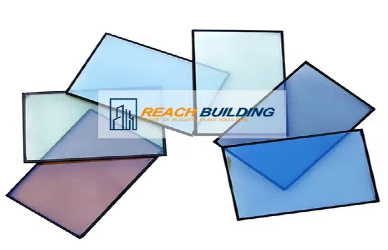
Coated glass is glass with a specially applied surface layer designed to improve its performance and appearance. Unlike ordinary glass, it can offer added functions such as better thermal insulation, solar control, glare reduction, or decorative effects, making it more suitable for modern window and door systems.
How Surface Coatings Improve Glass Performance
Surface coatings enhance glass by changing the way it interacts with heat, light, and the surrounding environment. Depending on the coating type, the glass may help reduce heat transfer, limit solar heat gain, control glare, improve indoor comfort, or create a specific visual effect. This makes coated glass a more advanced option for applications where both function and design matter.
Common Coating Types Used in Windows and Doors
Low-E Coatings
Low-E, or low-emissivity, coatings are commonly used to improve thermal insulation. They help reduce heat loss in colder conditions and limit heat entry in warmer climates, making them a key solution for energy-efficient windows and doors.
Solar Control Coatings
Solar control coatings are designed to reduce solar heat gain while still allowing useful daylight to enter. They are especially beneficial in buildings with strong sun exposure, where improved indoor comfort and lower cooling demand are important.
Reflective Coatings
Reflective coatings help manage sunlight and heat while also creating a more mirrored exterior appearance. These coatings are often used in commercial buildings where both solar performance and facade aesthetics are considered.
Decorative Coatings
Decorative coatings focus more on visual design. They can add color, texture, privacy, or a distinctive appearance to glass, making them suitable for doors, partitions, and other applications where style is as important as performance.
2.Why Coated Glass Is Used in Windows and Doors
Coated glass is widely used in windows and doors because it offers a practical balance of energy performance, visual appeal, and indoor comfort. Compared with ordinary glass, it can provide added functions that support the needs of modern residential and commercial buildings.
Improves Thermal Insulation
One of the main reasons coated glass is used in windows and doors is its ability to improve thermal insulation. Certain coatings help reduce heat transfer, which supports more stable indoor temperatures and better overall energy efficiency.
Helps Reduce Solar Heat Gain
Coated glass can also reduce the amount of solar heat entering a building. This is especially useful in areas with strong sunlight, where limiting heat gain can help lower cooling demand and improve interior comfort.
Supports Better Daylight Control
Another advantage is better daylight control. Depending on the coating type, the glass can allow natural light to enter while reducing glare or excessive brightness, creating a more balanced indoor environment.
Enhances Appearance and Design Value
In addition to performance, coated glass can improve the visual effect of windows and doors. It can offer a cleaner, more modern appearance and support different architectural styles through reflective, neutral, or decorative finishes.
Contributes to More Comfortable Indoor Spaces
By combining insulation, solar control, and light management, coated glass helps create indoor spaces that feel more comfortable throughout the day. This makes it a valuable choice for buildings where both performance and user experience matter.
3.Benefits of Coated Glass for Windows
Coated glass offers several important advantages for window applications, especially in buildings that require better energy performance, indoor comfort, and modern design flexibility. Its enhanced functionality makes it a strong option for both residential and commercial projects.
Better Energy Efficiency in Residential and Commercial Buildings
One of the key benefits of coated glass for windows is improved energy efficiency. By helping reduce heat transfer and control solar gain, coated glass can support more stable indoor temperatures and lower energy consumption in both homes and commercial buildings.
Reduced Glare and Improved Indoor Comfort
Coated glass can also reduce glare caused by strong sunlight, creating a more comfortable indoor environment. At the same time, it can maintain good daylight entry, which helps improve visual comfort without making interior spaces feel too dark.
Support for Climate-Responsive Building Design
Another advantage is that coated glass supports climate-responsive design. Different coating types can be selected based on local weather conditions, sun exposure, and building orientation, allowing window systems to perform more effectively in different environments.
Suitable for Insulated Glass Units and Modern Window Systems
Coated glass is also well suited for insulated glass units and modern window systems. When combined with advanced glazing structures, it can deliver stronger thermal performance, better durability, and a higher level of functionality for contemporary architectural needs.

4.Benefits of Coated Glass for Doors
Coated glass provides both functional and visual advantages in door applications, making it a practical choice for modern residential and commercial spaces. Whether used in entry doors, sliding doors, or interior partitions, it can improve design quality while also supporting performance needs.
Enhances Appearance in Entry Doors, Sliding Doors, and Glass Partitions
One of the main benefits of coated glass for doors is its ability to enhance appearance. Different coating types can create a cleaner, more modern look and add visual depth, helping entry doors, sliding doors, and glass partitions fit better with contemporary architectural styles.
Improves Privacy or Solar Performance Depending on Coating Type
Coated glass can also improve privacy or solar performance, depending on the product selected. Some coatings help reduce visibility for greater privacy, while others are designed to control sunlight and heat, making door systems more comfortable and efficient in daily use.
Supports Safety Glazing Combinations When Used in the Right System
When incorporated into the correct glazing system, coated glass can also be combined with safety solutions such as laminated or insulated glass. This allows door applications to achieve not only better appearance and performance, but also improved protection and reliability.
Works Well in Both Interior and Exterior Door Applications
Another advantage is its flexibility across different uses. Coated glass can perform well in both interior and exterior door applications, offering practical value in spaces that require light, style, privacy, or environmental control.
![]() 5.Factors to Consider Before Choosing Coated Glass
5.Factors to Consider Before Choosing Coated Glass
Before selecting coated glass for windows and doors, it is important to evaluate the conditions and performance goals of the project. The right choice depends not only on the coating itself, but also on how the glass will function within the overall glazing system.
Climate and Sun Exposure
Local climate and the level of sun exposure are two of the most important factors. In hot climates or areas with strong sunlight, coated glass may be needed to reduce solar heat gain and improve indoor comfort. In colder regions, the focus may be more on thermal insulation and reducing heat loss.
Required Visible Light Transmission
Visible light transmission should also be considered when choosing coated glass. Some projects require high daylight entry to create bright interior spaces, while others may need stronger glare control or greater privacy. The selected coating should provide the right balance between natural light and comfort.
Thermal and Solar Performance Targets
Different buildings have different thermal and solar performance requirements. Some projects prioritize energy efficiency and indoor temperature control, while others place more emphasis on reducing cooling loads or improving facade performance. The coating should be matched to these specific performance targets.
Whether the Glass Will Be Exposed or Protected in the System
Another important factor is whether the coated surface will be exposed or protected within the glazing system. Some coatings are more durable and can tolerate greater exposure, while others perform best when placed in a protected position inside insulated or laminated glass units.
Compatibility with Tempering, Laminating, or Insulating Processes
The selected coated glass must also be compatible with the required processing methods. If the glass needs to be tempered, laminated, or used in an insulated glass unit, the coating must be suitable for those fabrication processes to ensure stable performance, good appearance, and long-term reliability.
![]() 6.Is Coated Glass Always the Best Option?
6.Is Coated Glass Always the Best Option?
Coated glass is an excellent choice for many window and door applications, but it is not always the best option in every case. Its suitability depends on the specific needs of the project, including performance goals, design expectations, budget, and processing requirements.
Suitability Depends on Project Needs
Different projects have different priorities. Some focus more on energy efficiency, while others require better solar control, improved privacy, or a specific visual effect. Because of this, coated glass should be selected based on the actual use conditions and the goals of the building rather than treated as a one-size-fits-all solution.
Some Applications May Need a Specific Coating Type
Not all coated glass products perform in the same way. Certain applications may require a specific coating type to meet thermal, solar, decorative, or privacy needs. For example, one project may benefit most from a Low-E coating, while another may require solar control or decorative coated glass for better results.
Performance Should Be Balanced with Cost, Appearance, and Processing Requirements
When choosing coated glass, performance should also be balanced with cost, appearance, and fabrication needs. Some high-performance coatings may require more careful processing or a more complex glazing system, which can affect the overall project budget and production plan. For this reason, the best option is usually the one that offers the right balance between function, aesthetics, and practicality.
FAQ
1. Does coated glass make windows more energy efficient?
Yes. Many coated glass products help reduce heat transfer and improve the overall energy performance of window systems.
2. Can coated glass be used in exterior doors?
Yes. Coated glass can be used in exterior doors when the product and glazing system are selected correctly for exposure and safety needs.
3. Will coated glass make rooms darker?
Not necessarily. Different coatings offer different balances between daylight transmission and solar control, so the right product can maintain natural light while improving comfort.
4. Is coated glass suitable for both homes and commercial buildings?
Yes. Coated glass is widely used in both residential and commercial projects because it can meet different performance and design requirements.
Conclusion
In conclusion, coated glass is a highly effective option for many window and door applications because it can improve both building performance and visual appeal at the same time. With the right coating, glass can deliver better thermal insulation, enhanced solar control, reduced glare, and a more modern architectural look. However, achieving the best long-term results depends on selecting the right product according to the project’s climate conditions, functional needs, and glazing system requirements. As a professional architectural glass supplier, HANGZHOU REACH BUILDING CO., LTD. can help customers choose suitable coated glass solutions for a wide range of window and door applications.


 5.Factors to Consider Before Choosing Coated Glass