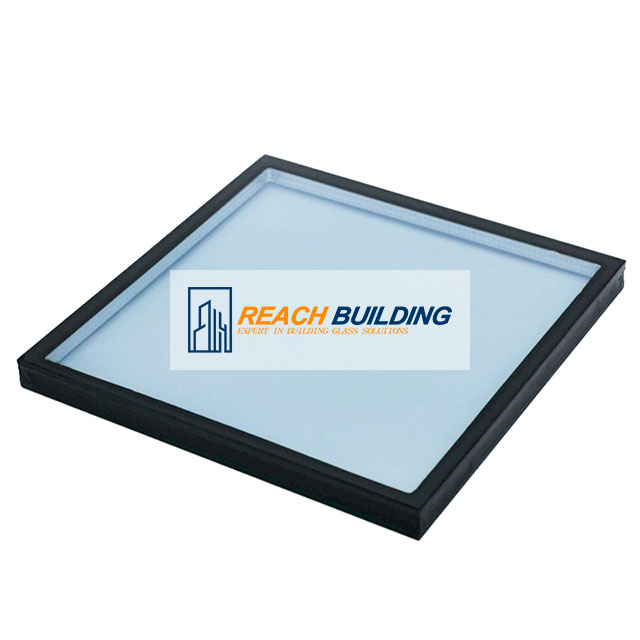
Rising energy costs and strict building compliance codes force property owners to heavily scrutinize envelope performance. Standard glazing simply fails to handle modern climate control demands effectively. Substantial heating and cooling losses through outdated windows inflate daily operational expenses dramatically. The pressing decision today isn't whether you should upgrade your facility. Instead, you must determine which specific technology yields the best possible return on investment. Upgrading to low-e coated glass windows remains the undisputed industry-standard approach. It minimizes destructive thermal transfer without sacrificing vital natural light.
This comprehensive guide evaluates the exact mechanics, performance metrics, and practical procurement considerations of advanced glazing technologies. We will help you specify the optimal solution for your distinct climate zone and exacting building requirements.
Key Takeaways
Climate-Specific Selection: Low-e coatings are not one-size-fits-all; selection must be dictated by local climate (heating-dominated vs. cooling-dominated).
Measurable ROI: Upgrading to an HVAC efficient window system with low-e glass typically reduces energy loss by 30-50%, directly lowering long-term operational costs.
Standardized Metrics: Procurement decisions should be based on verifiable metrics: U-factor, Solar Heat Gain Coefficient (SHGC), and Visible Light Transmittance (VLT).
Manufacturing Variances: The choice between "hard coat" (passive) and "soft coat" (solar control) dictates both performance limits and installation requirements.
1. The Mechanics of Low Emissivity Glass and HVAC Efficiency
We must first understand the technical baseline of emissivity. Emissivity refers to the inherent ability of a material surface to radiate absorbed energy. Standard uncoated clear glass holds an emissivity rating of approximately 0.84. This means it absorbs and radiates a massive 84 percent of the ambient room heat. Advanced microscopic coatings drop this rating significantly. High-performance low emissivity glass can achieve ratings as remarkably low as 0.02. It essentially traps energy where you want it.
Manufacturers manage infrared energy by applying ultra-thin metallic layers to the glass surface. They typically use microscopic layers of silver. These metallic layers act as a highly selective biological filter. They reflect long-wave infrared heat directly back to its original source. At the same time, they allow short-wave visible light to pass through unobstructed. This creates a highly engineered thermal barrier.
This infrared management exerts a profound impact on building mechanical systems. During freezing winter months, the coating reflects your interior ambient heat back inside the room. This directly reduces the mechanical heating load. During blistering summer months, the glass reflects the exterior solar thermal energy away from the building. This action sharply reduces your cooling load. You establish this core mechanism as the strict foundation of any reliable thermal insulating glass system. Mastering this baseline is critical for all future procurement decisions.
2. Solution Categories: Hard Coat vs. Soft Coat Coatings
The industry divides low-e technologies into two dominant manufacturing categories. You must choose between passive hard coats and active solar control soft coats. Each category addresses entirely different environmental challenges.
Passive Low-E (Hard Coat / Pyrolytic)
Manufacturers fuse hard coats directly to the glass surface during the primary production phase. We call this the online pyrolytic process. The coating permanently bonds to the hot glass ribbon as it cools. You will find hard coats perform best in severely cold climates. They excel where passive solar heat gain actually benefits the building occupant. They allow the winter sun's heat to enter while still providing baseline insulation.
These passive coatings remain incredibly durable. You can safely expose them to the open air. Builders frequently use them in single-pane applications or retrofits. However, they generally offer lower overall thermal insulation values compared to soft coats.
Solar Control Low-E (Soft Coat / MSVD)
Soft coats undergo application in a highly specialized vacuum chamber after the initial glass production. We call this the offline Magnetron Sputtering Vapor Deposition (MSVD) process. Engineers categorize soft coats by their precise number of silver layers. You can specify single, double, or triple silver variations. Adding more silver layers strictly improves solar control and pushes emissivity lower.
You should apply soft coats primarily in warm or mixed climates. They effectively satisfy strict UV and IR blocking requirements. However, they possess a crucial physical constraint. The delicate silver layers will oxidize quickly upon atmospheric exposure. Manufacturers must hermetically seal them within an Insulated Glass Unit (IGU) to ensure longevity.
Feature
Hard Coat (Passive)
Soft Coat (Solar Control)
Manufacturing
Online (Pyrolytic fusion)
Offline (MSVD vacuum chamber)
Climate Suitability
Cold, heating-dominated
Warm, cooling-dominated
Durability
High (can be exposed)
Fragile (must be sealed in IGU)
Insulation Value
Moderate
Maximum
3. Core Evaluation Metrics for Energy Saving Glass
You cannot make accurate procurement decisions relying on marketing claims alone. You must base your choices on standardized, verifiable metrics. The National Fenestration Rating Council (NFRC) regulates these exact performance indicators.
The most important data points include the following attributes:
U-Factor (Thermal Transmittance): This metric measures exactly how well the glass prevents non-solar heat from escaping the room. A lower U-factor indicates superior insulation. It proves absolutely essential for heating-dominated climates where winter heat loss ruins budgets.
Solar Heat Gain Coefficient (SHGC): This measures the precise fraction of solar radiation admitted through the glass assembly. A lower SHGC means significantly less heat gain inside the space. You must prioritize this metric for cooling-dominated environments.
Visible Light Transmittance (VLT): This value represents the actual percentage of natural daylight allowed through the glazing. A higher VLT guarantees brighter interiors and reduces artificial lighting reliance.
Light-to-Solar Gain (LSG) Ratio: You calculate this ultimate efficiency metric by dividing VLT by SHGC. A higher LSG ratio indicates a highly efficient glass that provides bright interiors without suffering the associated heat penalty.
Carefully balancing these variables defines a true energy saving glass specification. Misinterpreting these numbers leads directly to poor building performance.
4. Cost vs. Performance: Building the Business Case
Upgrading your envelope always requires upfront capital. Low-e coatings typically add roughly 10 to 15 percent to the initial cost of standard insulated glass. You must view this premium strictly as an operational investment rather than an aesthetic luxury.
You can reliably calculate a payback period based on mechanical efficiency. Superior glazing directly reduces your required HVAC tonnage. Downsizing your chiller plants or heating arrays offsets the initial glass premium almost immediately. You then secure ongoing utility savings every month for the lifespan of the building.
Performance glass also dramatically aids strict environmental compliance. Building codes grow stricter annually. Utilizing advanced glazing helps you easily meet stringent local energy codes like Title 24 in California or ASHRAE 90.1 standards globally. Furthermore, it fulfills critical prerequisites for valuable LEED certification. Many corporate entities mandate these exact upgrades to satisfy aggressive internal carbon reduction targets.
Finally, consider your overall asset valuation. High-performance envelopes tangibly increase long-term property value. They drastically improve tenant comfort. Standard glass often creates uncomfortable hot or cold zones near exterior walls. Advanced coatings eliminate these perimeter dead zones, maximizing usable leasing space and keeping tenants satisfied.
5. Implementation Realities and Potential Risks
Even the most advanced technology fails when poorly specified. You must understand the realistic limitations and execution risks inherent to advanced glass coatings.
Consider the dangers of a severe climate mismatch. A common mistake involves specifying an ultra-low-SHGC triple silver glass in a sub-arctic climate. While it sounds high-tech, it actively blocks highly beneficial winter solar heat. Your mechanical systems must then work overtime to heat the space, accidentally increasing your winter utility bills.
You must also anticipate distinct visual artifacts. Multi-layer silver coatings inherently produce slight color shifts. Depending on the manufacturer, the glass may exhibit faint green, blue, or grayish hues. Heavily coated windows also increase exterior reflectivity. They often appear mirror-like during certain lighting conditions, which may clash with original architectural intent.
Installation poses another massive risk area. Soft-coat IGUs demand flawless manufacturing. The factory must properly strip or "delete" the soft coating exactly around the extreme edge of the glass before sealing it. If the manufacturer handles this edge deletion improperly, the fragile silver layer compromises the primary sealant. This leads quickly to catastrophic seal failure, internal condensation, and a ruined window.
Lastly, be aware of signal attenuation issues. Heavy metallic barriers inadvertently act as Faraday cages. Highly glazed commercial buildings utilizing triple-silver coatings occasionally suffer from cellular or RF signal interference. You might need to install localized cellular boosters to compensate for the heavy envelope shielding.
6. Shortlisting Logic: How to Specify for Your Project
Specifying the exact right glass requires a methodical, step-by-step approach. You cannot simply select the most expensive option from a catalog. Follow this logical sequence to guarantee success.
Define Your Specific Climate Zone: Consult official Department of Energy or localized climate maps first. Determine immediately if you must prioritize a low U-factor (for extreme cold) or a low SHGC (for extreme heat).
Analyze Building Orientation: You rarely need identical glass on every single facade. Consider utilizing varying glass types per elevation. You might deploy a strict, lower SHGC glass on punishing south and west-facing elevations. Conversely, you can specify a glass with higher VLT on the shaded north-facing elevations to maximize daylight.
Evaluate the Full Assembly: Remember clearly that the glass is only one component. You must pair an advanced HVAC efficient window with thermally broken aluminum or vinyl frames. Furthermore, specify argon or krypton gas fills between the panes. The glass alone will never achieve advertised NFRC ratings if the frame itself leaks energy.
Request Comprehensive Energy Modeling: Force your suppliers to prove their claims. Require them to provide whole-building energy modeling data. Furthermore, always request large physical glass samples (mock-ups) to evaluate the true aesthetic impact and visual tint under real local lighting conditions.
Conclusion
Low-e coatings now represent a truly mandatory component of modern building efficiency. They effectively bridge the vast gap between ambitious architectural aesthetics and ruthlessly strict energy performance. Upgrading standard panels resolves massive thermal leaks almost immediately.
Our final verdict remains highly pragmatic. While soft-coat, multi-silver solutions offer the absolute highest performance ceiling on paper, the "best" overall glass strictly depends on your local climate data and distinct building orientation. You must never specify blindly.
Your immediate next action should involve engaging with a dedicated glazing consultant. Have them run a localized energy model specific to your floor plan. Demand physical mock-up samples of your shortlisted specifications to verify both light transmittance and exterior tint before making your final purchasing commitment.
FAQ
Q: Does low-e glass look different from standard glass?
A: Yes, slightly. Depending heavily on the specific coating thickness, such as single versus triple silver, the glass may exhibit a faint green or grayish tint. It frequently appears significantly more reflective from the outside compared to uncoated clear glass.
Q: How long do low-e coatings last?
A: Passive hard coats will last the entire lifetime of the glass pane itself. Soft coats reside protected deeply inside the sealed Insulated Glass Unit (IGU). Therefore, they last exactly as long as the window's edge seal remains intact, which typically averages 15 to 20 years.
Q: Can I apply a low-e film to existing windows instead of replacing them?
A: Yes, aftermarket low-e films serve as a viable temporary retrofit option. However, they generally fail to match the overall durability or advanced thermal performance of true factory-sealed low-e coated glass windows. They may also accidentally void your existing window warranties.
Q: Do low-e windows keep a building warm in the winter?
A: Yes. Passive low-e glass explicitly reflects interior radiant heat directly back into the living room. Simultaneously, it allows the sun's beneficial short-wave heat to enter the space. This dual action significantly lowers expensive winter heating loads.
Miracle Co-founder of Reachbuilding
Miracle owns a glass factory that has been in operation for 40 years. His family has been engaged in the construction industry for over 60 years and possesses extensive engineering and production experience. At Reach Building, he focuses on product technical support, custom solutions, and industry trend analysis for global dealers, contractors, and builders.In his column, Miracle shares practical insights, project case studies, and expert advice to help construction professionals select the right glass for safer, more energy-efficient buildings.
With nearly 30 years of experience in building materials, REACH BUILDING provides customized glass products and technical solutions for global construction and interior projects.
We use cookies to enable all functionalities for best performance during your visit and to improve our services by giving us some insight into how the website is being used. Continued use of our website without having changed your browser settings confirms your acceptance of these cookies. For details please see our privacy policy.