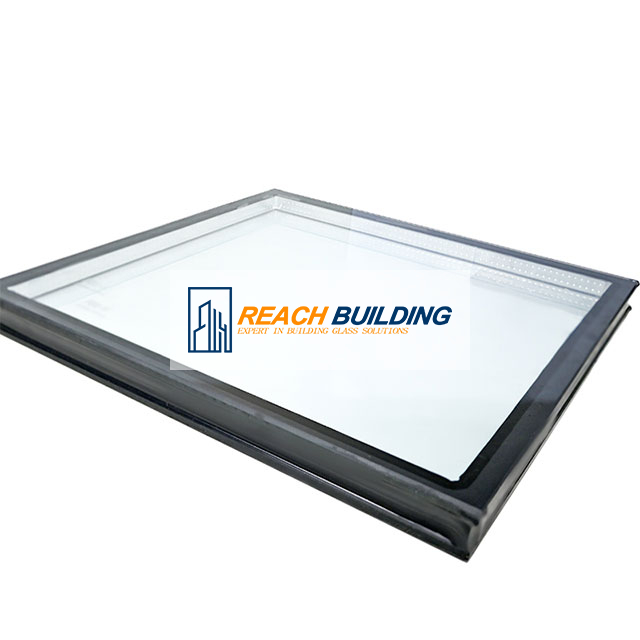
Commercial building envelopes face unprecedented pressure today. Rising utility costs and stringent global energy codes, such as recent IECC updates, demand immediate action from stakeholders. Property developers can no longer ignore the thermal performance of their massive glass facades. Legacy single-pane or failing double-pane systems create immense HVAC loads across varying seasons. These outdated structures compromise tenant comfort through severe temperature fluctuations and annoying drafts. Ultimately, this systemic inefficiency directly damages property valuation and puts regulatory compliance at serious risk. Modern insulated glass units offer a highly quantifiable path to lower U-factors, enhanced thermal control, and sharply reduced carbon footprints. This guide equips developers, architects, and facility managers to evaluate, specify, and source commercial-grade facade solutions. You will learn the technical engineering behind these units and how to navigate supply chain realities effectively.
Key Takeaways
Upgrading to commercial-grade insulated glass units can drive measurable HVAC load reductions and support LEED/BREEAM certification requirements.
The thermal efficiency of an IGU is dictated by a system of components, including Low-E coatings, warm-edge spacers, and heavy-density gas fills (Argon/Krypton).
Evaluating double glazing for buildings requires balancing three key metrics: U-Factor (heat transfer), SHGC (solar heat gain), and VLT (visible light transmittance).
Strategic façade design—such as blending transparent IGUs with opaque insulated assemblies—can optimize thermal performance without sacrificing architectural aesthetics or blowing project budgets.
The Commercial Business Case: Why Energy Efficient Glass is a Strategic Asset
You must treat facade upgrades as financial investments rather than simple maintenance expenses. Energy efficient glass fundamentally alters how a commercial property operates. Major municipalities now enforce mandatory energy benchmarking. Buildings receive public grades based on their annual energy consumption. Failing to meet minimum IECC standards invites steep penalties. It also risks severe delays in obtaining occupancy permits for new developments.
Mitigating heat transfer directly shrinks both peak heating and peak cooling loads. This reduction allows engineers to downsize initial mechanical system capital expenditures (CapEx). You buy smaller chillers and fewer boilers. The facade essentially does the heavy lifting for climate control.
Tenant comfort acts as a primary driver for property valuation. ASHRAE 55 standards establish strict baselines for human thermal comfort indoors. Upgraded facades eliminate perimeter downdrafts. They also prevent internal condensation during winter months. A stable indoor climate directly improves employee productivity and boosts occupant retention rates. Green-certified spaces consistently command higher rental premiums. They also enjoy significantly lower vacancy rates in competitive urban markets.
These facade upgrades offer valuable acoustic byproducts. Multi-pane structures inherently disrupt sound waves. Varying the glass thicknesses within a single unit improves Sound Transmission Class (STC) ratings dramatically. You effectively block urban noise pollution from traffic and sirens, creating a serene interior environment.
Deconstructing the Insulated Glass Unit: Engineering for Maximum Thermal Resistance
We must look inside the assembly to understand its performance. The transition from standard double glazing for buildings to advanced triple-pane configurations establishes new baselines for heat flow disruption. Each added pane creates another isolated chamber.
Low-E and Coated Technologies
Engineers apply microscopically thin metallic layers to the glass surface. This low-E glass reflects long-wave infrared heat back to its source. It keeps interior heat inside during winter. It blocks exterior solar heat during summer. It does this while still allowing visible daylight to pass through.
Manufacturers produce coated glass using two distinct methods. Pyrolytic coatings, known as hard coats, fuse with the glass during high-heat manufacturing. They offer exceptional durability for harsh environments. Sputtered coatings, known as soft coats, are applied later inside a vacuum chamber. Soft coats deliver superior thermal performance and lower U-factors, making them ideal for strict climate zones.
Cavity Gas Fills
Air acts as a poor insulator. Modern units replace trapped air with dense noble gases. Argon and Krypton slow convective thermal transfer between the panes. Argon provides excellent value and peaks in efficiency at gap widths just under 1/2 inch. Krypton costs more but offers superior density. Manufacturers utilize Krypton specifically for tighter cavities often found in triple-glazing systems.
Warm-Edge Spacer Systems & Sealants
Legacy aluminum spacers conduct heat rapidly. They create a "thermal bridge" at the glass perimeter, inviting cold and condensation indoors. Modern designs discard aluminum. They substitute it with stainless steel or polymer foam alternatives. These warm-edge spacers severely limit perimeter heat loss.
The unit relies heavily on a dual-seal system. A primary butyl sealant traps the noble gas inside the cavity. A secondary silicone or polyurethane sealant provides structural integrity. It also offers crucial UV resistance. Inside the spacer itself, molecular sieve desiccants actively absorb any residual moisture. This prevents cloudy condensation from forming inside the sealed unit.
![Commercial insulated glass units installation and structural facade performance]()
You cannot specify facade materials based on aesthetics alone. Decision-makers must navigate a strict ratings triangle. This involves balancing U-Factor, SHGC, and VLT carefully.
Navigating the Ratings Triangle
U-Factor measures the rate of heat transfer. A lower number indicates better insulation. This differs from R-Value, which measures thermal resistance (where higher is better). The industry relies primarily on U-Factor for fenestration ratings.
Solar Heat Gain Coefficient (SHGC) measures how much solar radiation penetrates the building. Cooling-dominated climates demand a very low SHGC to block solar heat. Visible Light Transmittance (VLT) measures the percentage of daylight entering the space. You must balance daylight harvesting against glare control. High VLT reduces your dependency on artificial lighting, but excessive VLT causes blinding glare on office monitors.
IGU Configuration Type | Typical U-Factor (W/m²K) | Best Climate Application |
Standard Double Pane (Air Fill) | 1.2 – 3.0 | Mild / Temperate |
Double Pane (Low-E + Argon) | 1.0 – 1.4 | Moderate / Mixed |
Advanced Triple Pane (Low-E + Krypton) | 0.6 – 1.0 | Extreme Cold / Harsh |
Safety and Structural Specifications
Commercial high-rises and high-traffic ground zones require strict safety compliance. Building codes mandate the integration of tempered glass or laminated safety layers. These layers ensure extreme impact resistance. If broken, tempered layers shatter into harmless granular chunks rather than deadly jagged shards. Laminated layers hold the broken pieces together entirely.
Value-Engineering the Façade
Transparent glass remains expensive to insulate. Smart architects introduce advanced design strategies to manage project budgets. They substitute portions of vision glass with highly insulated opaque spandrel glass. Spandrel glass hides ugly floor slabs and mechanical spaces. This strategy achieves overall envelope efficiency without overspending on premium transparent units everywhere.
Implementation Realities: Mitigating Risks in Façade Rollouts
Procuring and installing massive glass panels introduces heavy logistical risks. Facility managers and developers must anticipate these hurdles early in the design phase.
Seal Failure and Condensation Risks
These engineered units possess a definitive lifespan. They will eventually fail. Extreme temperature fluctuations expand and contract the internal gases daily. Poor perimeter weatherstripping allows standing water to pool at the sill. Inadequate drainage accelerates secondary seal degradation rapidly. Once the seal breaks, the noble gas escapes. Ambient air enters, carrying moisture. This results in cloudy, failing units that require complete replacement.
Weight and Structural Load Considerations
Adding glass panes drastically increases the dead load on the building frame. Triple-glazed units weigh significantly more than double-glazed ones.
Audit Existing Frames: Retrofitting older buildings requires rigorous structural capability audits.
Upgrade Hinges: Operable windows need heavy-duty commercial hardware to support the extra weight.
Verify Mullions: Curtain wall mullions must resist new wind loads combined with increased dead loads.
Logistics and Supply Chain Reliability
Global shipping introduces massive risks for heavy, fragile custom dimensions. Specialized units require specific manufacturing queues. A single shipping delay directly stalls enclosing the building envelope. An open envelope halts interior drywall and electrical work. You must plan procurement timelines conservatively to avoid costly project standstills.
Shortlisting Your Wholesale IGU Manufacturer
Sourcing commercial glass requires deep due diligence. You are not buying a commodity off a shelf. You are procuring an engineered system customized for your exact coordinates.
First, demand verified compliance and testing documentation. Reliable manufacturers provide NFRC ratings or equivalent regional certifications immediately. They must supply comprehensive documentation supporting your LEED or BREEAM point calculations. Without this data, your energy models remain guesswork.
Next, audit their custom fabrication capabilities. Commercial projects rarely use standard sizes. Ensure their facility can handle complex specifications effortlessly. They should accommodate oversized panels easily. They must demonstrate expertise in specialized coating combinations and acoustic interlayers.
Finally, evaluate their warranty and engineering support. Look for suppliers who collaborate early in the schematic design phase. The best partners run detailed U-value calculations for you. They optimize your specific glass build-ups to maximize performance versus cost. Furthermore, they must offer robust, transparent warranties protecting against premature perimeter seal failure.
Conclusion
Commercial glass systems represent a highly engineered barrier, not a simple building commodity. These units dictate the lifecycle energy footprint of your entire property. Treating them as a simple line item leads to massive operational inefficiencies later.
Decision-makers must prioritize holistic envelope performance over isolated component costs. You achieve optimal results by balancing specialized coatings, warm-edge spacer tech, and heavy gas fills. You must align these choices directly against your specific regional climate demands.
Take proactive steps today to secure your building's operational future. Encourage your architects and procurement managers to request a specialized consultation. Demand custom glass specifications, conduct structural load assessments, and seek transparent wholesale project quotes early in your development cycle.
FAQ
Q: What is the ROI timeline for installing energy efficient glass in a commercial building?
A: The typical ROI spans 5 to 15 years. You recoup costs through immediate HVAC operational savings and potential tax rebates. Additionally, green-certified buildings command higher rental premiums and experience faster lease-ups, accelerating your overall property valuation growth significantly.
Q: Are triple-glazed units always better than double glazing for buildings?
A: No. Triple glazing offers diminishing financial returns in moderate climates. While triple is excellent for extreme cold environments, advanced double-glazed units with high-quality Low-E coatings and Argon fills generally suffice for temperate zones, saving substantial upfront costs and weight.
Q: How do I know if the seal on a commercial IGU has failed?
A: Look for clear visual indicators. You will notice internal condensation or mineral deposits fogging the space between the panes. You might also detect localized temperature drops or noticeable drafts near the frame, indicating the insulating gas has escaped.
Q: What is Vacuum Insulated Glass (VIG) and is it commercially viable?
A: Vacuum Insulated Glass (VIG) replaces gas fills with a micro-vacuum space. It provides ultra-thin, high-performance insulation. VIG is highly viable for retrofitting heritage buildings where preserving thin, historic window frames is mandatory, but thick conventional units cannot fit.