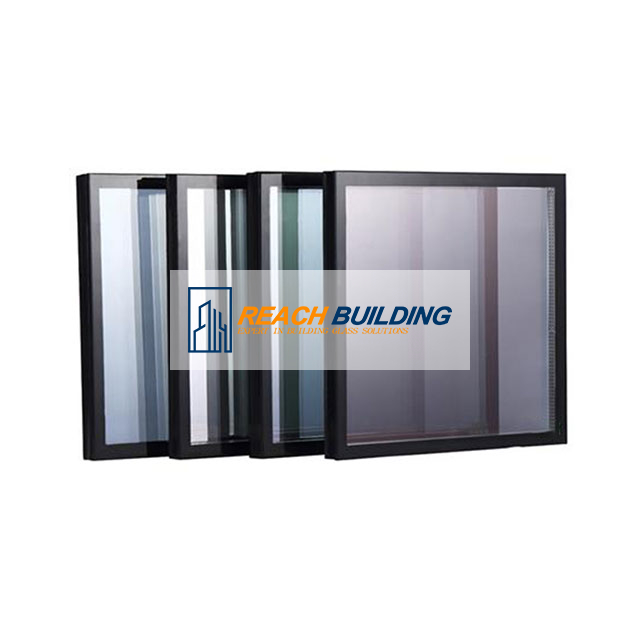
Modern architectural designs increasingly demand expansive glazing. We love wide, uninterrupted views connecting interiors to the natural environment. However, standard clear glass introduces severe energy penalties into your building framework. It creates excessively high cooling loads. It also causes frustrating interior glare for occupants. You cannot rely on basic windows for large-scale modern commercial projects.
You must view architectural tinted glass and solar control coatings as engineered structural solutions. They do much more than simply enhance building aesthetics. They actively manage the solar spectrum to keep interiors comfortable. Building planners use them to reject infrared heat and control harmful ultraviolet rays. They solve fundamental climate challenges at the building envelope.
Selecting the right glazing requires moving far beyond basic color preferences. You need to evaluate strict optical metrics carefully. You must understand thermal performance ratings and calculate long-term energy savings. We will explore how proper facade specifications transform overall building performance. You will learn to navigate the core metrics, color impacts, and crucial implementation risks.
Key Takeaways
Performance is Quantifiable: Evaluating solar control requires balancing the Solar Heat Gain Coefficient (SHGC) against Visible Light Transmission (VLT).
Color Dictates Function: Specific tints (gray, bronze, green, blue) directly impact spectral selectivity, UV blocking, and the psychological comfort of occupants.
Configuration Matters: Optimal thermal control is achieved by combining tinted substrates with low-E coatings within an insulated glass unit (IGU), typically on Surface 2.
ROI and Compliance: Proper specification reduces HVAC loads (up to 30% in hot climates) and contributes significantly to LEED and BREEAM certifications.
The Business Case for Architectural Tinted Glass
Uncontrolled solar radiation causes major operational issues for commercial properties. It leads directly to rapidly escalating HVAC electrical usage. Occupants suffer from severe discomfort due to excessive glare. They also complain about trapped heat near perimeter zones. This drastically reduces workplace productivity. Furthermore, constant ultraviolet exposure rapidly degrades expensive interior assets. Furniture, artwork, and retail displays fade quickly under direct sunlight.
Energy efficiency requires a highly proactive approach to building cooling loads. Industry baseline data from institutions like the National Renewable Energy Laboratory (NREL) highlights a clear advantage. Engineered solar control glass can reduce cooling energy consumption by up to 30% in high-heat climates. You significantly decrease the daily burden on your mechanical cooling systems. Downsizing the primary mechanical systems frees up valuable rooftop real estate. It also simplifies your overall electrical infrastructure requirements.
Green building compliance heavily depends on your initial material choices. When you specify the right coated glass, you directly support major sustainability certifications. Projects earn valuable points for LEED, WELL, and BREEAM standards. Assessors closely examine your energy optimization strategies. They rigorously measure indoor environmental quality and daylighting credits. Superior glazing helps you achieve these critical environmental benchmarks seamlessly. You position your property as a modern, eco-conscious development.
Durability and routine maintenance represent major concerns for facility managers. Modern pyrolytic coatings fuse at the molecular level during the manufacturing process. True body-tinted materials provide permanent solar mitigation. They do not fade, bubble, or peel over time. You completely avoid the heavy maintenance cycles associated with aftermarket window films. The initial specification guarantees decades of reliable, uninterrupted performance.
Many specifiers falsely assume darker windows automatically provide better thermal insulation. We must permanently move beyond this "darkness" myth. Darker panes often absorb significantly more heat. They can easily radiate this absorbed heat directly into the interior space. We rely on core scientific metrics instead of visual darkness to specify the right materials. Understanding these values prevents catastrophic design failures.
First, consider the Solar Heat Gain Coefficient (SHGC). We measure this coefficient on a simple 0-to-1 scale. Lower numbers indicate a far superior ability to block incoming solar heat. A low SHGC means the interior stays much cooler during peak summer afternoon hours. You want this number extremely low in sunbelt climates. It acts as your primary defense against radiant heat.
Next, we evaluate Visible Light Transmission (VLT). VLT defines the exact percentage of natural daylight allowed through the solid pane. High VLT keeps interior rooms bright, welcoming, and productive. You want to maximize your VLT while keeping the SHGC as low as possible. This balance prevents the space from feeling like a dark, uninviting cave. Occupants still reap the psychological benefits of natural sunlight.
This delicate balance brings us to the Light-to-Solar Heat Gain Ratio (LSHG). LSHG introduces spectral selectivity as the ultimate technical evaluation standard. It measures how effectively the material transmits pure natural light while simultaneously rejecting unwanted solar heat. An LSHG ratio of 1.5 or higher indicates excellent spectral selectivity. You get bright, usable daylight without the sweltering greenhouse effect.
Finally, clarify the material distinction between basic and advanced options. Basic body-tinted materials absorb heat directly into the glass matrix itself. Advanced low-E glass uses microscopic metallic layers to reflect heat away entirely. They function fundamentally differently at the physics level. Specifiers often combine both distinct technologies to maximize overall performance.
| | Key Optical Metrics for Glazing Specification |
Metric | Definition | Optimal Target |
SHGC | Measures solar heat fraction admitted through the window. | Lower (e.g., < 0.30 in hot climates) |
VLT | Percentage of visible daylight passing through. | Higher (e.g., > 50% for optimal daylighting) |
LSHG | Ratio of VLT to SHGC (Spectral Selectivity). | Higher (e.g., > 1.5 indicates excellent efficiency) |
![Architectural Tinted Glass Application]()
Color Selection Matrix: Balancing Aesthetics and Climate Needs
Color does much more than simply dictate exterior architectural design. It actively regulates interior environments and occupant psychology. Different shades offer very specific functional advantages. We must perfectly balance aesthetic vision with harsh localized climate realities. Let us explore the core color categories available to modern architects.
Neutral and Gray Tints: These options currently dominate commercial high-rises and modern minimalist residential facades. They provide high glare control and neutral color rendering for interior spaces. You achieve a strong reduction in solar heat absorption. Occupants enjoy natural-looking outdoor views without experiencing severe eye strain. They blend seamlessly into urban skylines.
Bronze and Amber Tints: Specifiers often use these tones for historical building retrofits, boutique retail, and hospitality spaces. They create a distinctly warm, inviting interior ambiance. You gain excellent daytime privacy and high ultraviolet blockage. They protect sensitive interior finishes, fabrics, and merchandise from devastating sun damage.
Green and Blue Tints: You frequently see these vibrant options in skylights, museums, and eco-focused architecture. They perform exceptionally well in extreme tropical climates. They deliver high VLT for excellent daytime illumination. Simultaneously, they provide strong infrared heat blocking capabilities. They connect interior spaces to natural surroundings without over-darkening the room.
Metallic and Reflective Tints: Landmark corporate towers and extreme sunbelt climates rely heavily on these bold choices. They offer highly aggressive solar rejection and make incredibly strong aesthetic statements. However, specifiers must carefully account for strict neighborhood glare restrictions. Highly reflective surfaces can inadvertently direct intense, blinding sunlight into adjacent buildings or oncoming traffic.
Privacy Applications: Managing Visibility Without Sacrificing Light
Building occupants deeply value their personal and corporate visual privacy. You need reliable solutions to manage visibility without shutting out natural daylight completely. Proper facade configurations help you achieve this critical architectural balance. They eliminate the need for heavy, dust-collecting interior blinds.
The daytime privacy mechanism relies heavily on intense directional lighting. During the day, sunlight shines brightly outside. This extreme lighting imbalance enables tinted glass and reflective surfaces to act exactly like one-way mirrors. They effectively shield busy interiors from curious prying eyes. Occupants can see outside perfectly clearly, but outsiders cannot see inside the building. This provides peace of mind for ground-floor offices and residential lobbies.
However, you must openly acknowledge the nighttime reversal risk. We always provide a transparent, skeptical-friendly warning regarding this limitation. When you turn interior lights on at night, standard tinted materials immediately lose their privacy function. The primary light source shifts directly to the inside space. Outsiders instantly gain a perfectly clear, unobstructed view into the building. You cannot rely on tints alone for 24-hour security.
We highly advise strategically combining tints with alternative privacy treatments. You might use acid-etched or translucent finishes for sensitive bathroom areas. You could integrate advanced switchable smart films for executive boardroom applications. These specific combinations guarantee complete privacy regardless of the time of day. They provide fail-safe security for sensitive interior zones while maintaining a sleek modern aesthetic.
Evaluating privacy also requires understanding specific industry rating standards. You must measure the precise percentage of light diffusion. You must ensure the chosen specification closely matches the specific demographic or commercial use case. High-security environments demand radically different transmission levels than a standard suburban office park. Always align your privacy ratings with the actual functional requirements of the room.
Implementation Realities: Specification and Rollout Risks
Designing the perfect facade visually on paper is only the very first step. You face serious physical realities during the actual construction implementation. You must actively manage specific configuration guidelines and severe thermal stress risks. Follow strict engineering best practices to ensure absolute long-term stability.
IGU Configuration Optimization: We achieve the absolute best thermal results by optimizing panel placement. You should place solar control coatings directly on Surface 2. This is the inside face of the exterior pane of an insulated glass unit. This crucial placement maximizes outward heat reflection. It permanently stops the heat before it crosses the central airspace into the building.
Thermal Stress Mitigation: You must plan carefully for a critical physical implementation risk. Darker panes absorb massive amounts of raw solar energy. This deep absorption creates severe internal thermal stress. We strictly mandate the required use of heat-strengthened or fully tempered glass. Basic untreated annealed glass will definitely shatter under these intense temperature differentials.
Sample Testing in Real Conditions: Digital renderings look incredibly great but often deceive the human eye. Catalog specifications completely lack localized environmental context. We advise architects and procurement teams to thoroughly test physical samples directly on-site. You must view them closely under actual project lighting and weather conditions. Local surroundings, sky clarity, and adjacent landscape colors drastically alter the final visual appearance.
You must review these engineering standards carefully with your facade consultant. Skipping structural heat treatments guarantees catastrophic pane failures later. Ignoring physical mock-ups usually leads to immensely costly aesthetic regrets. Careful pre-installation planning prevents expensive structural revisions.
Conclusion
Architectural glazing serves as a highly precise, dual-purpose tool. It expertly manages climate control while driving brilliant visual design. It provides quantifiable energy savings and measurable interior occupant comfort. You solve both structural and aesthetic challenges simultaneously.
Remember the core shortlisting logic for your next commercial project. You must weigh the specific climate zone, SHGC targets, and your aesthetic vision simultaneously. Do not sacrifice basic thermal efficiency merely for a specific shade. Modern coating technologies allow you to easily achieve both goals without compromise.
Take decisive next steps to secure total project success. Consult directly with a structural glazing specialist to refine your facade specifications. Request comprehensive performance data sheets for your selected material combinations. Finally, always order full-scale mock-up samples to verify appearance and performance under actual site conditions.
FAQ
Q: Is tinted glass the same as low-E glass?
A: No. Tinting involves material color changes to absorb heat and light. It actively darkens the pane. Low-E relies on microscopic metallic coatings to reflect heat without altering color significantly. They function differently but are often combined for maximum thermal efficiency.
Q: Does architectural tinted glass fade over time?
A: True body-tinted glass and pyrolytic coatings remain permanent. The color bakes directly into the material structure during manufacturing. They do not fade, peel, or degrade over time. This offers superior durability compared to retrofitted window films.
Q: Can tinted solar control glass be used in double-glazed units?
A: Yes. Combining tinted exterior panes with clear interior panes inside an insulated glass unit represents the industry standard. This dual-pane configuration optimizes both summer solar control and winter thermal insulation simultaneously.
Q: How does tinted glass affect interior lighting design?
A: While it effectively reduces harsh glare, heavy tints inevitably lower visible light transmission (VLT). You may require strategic adjustments to interior artificial lighting layouts. Proper planning ensures you maintain optimal workspace brightness standards throughout the day.