Introduction
Are frameless glass balustrades safe? With their modern and sleek design, frameless glass balustrades have become a popular choice for both residential and commercial spaces. However, safety concerns often arise due to the minimalist design.
In this article, we will explore the safety features of frameless glass balustrades, including the materials used, building codes, and installation guidelines. By the end, you'll understand how these balustrades are designed to ensure safety without compromising on style.
Understanding Frameless Glass Balustrades
What Are Frameless Glass Balustrades?
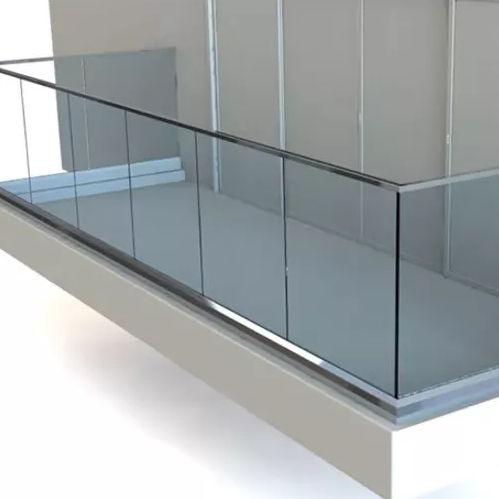
Frameless glass balustrades are an innovative design solution that uses glass panels held in place with minimal hardware, creating a transparent barrier. Unlike traditional balustrades that rely on metal or wooden frames, frameless systems maintain an unobstructed view. This design is commonly used on balconies, staircases, and terraces, where both safety and aesthetics are important.
The transparency and seamless look of these balustrades allow natural light to flow freely, making spaces feel larger and more open. However, the minimalist design must be supported by engineering that ensures both safety and strength.
Components of Frameless Glass Balustrades
A frameless glass balustrade typically consists of high-strength glass panels, a base channel for fixing, and discreet fasteners that ensure stability. The glass panels used in these systems are usually toughened or laminated for enhanced durability.
The base channel is designed to secure the glass in place while allowing the panels to float within the space, creating the clean, modern look that frameless balustrades are known for. Proper installation and material selection are key to maintaining safety without compromising on aesthetics.

Safety Standards and Regulations for Frameless Glass Balustrades
Key Building Codes and Safety Standards
Frameless glass balustrades are designed to meet specific building codes and safety standards to ensure that they perform well under load and resist failure. In the UK, the Approved Document K (for protection from falling) and BS 6180 (which specifies the performance of barriers) outline the necessary requirements.
For example, internal balustrades must be at least 900 mm high, and external balustrades must meet a minimum height of 1,100 mm. The gaps between the glass panels must also be small enough to prevent a 100 mm sphere from passing through, ensuring no child can squeeze through the gaps.
Tip: Always verify that your frameless glass balustrade installation complies with local regulations to ensure maximum safety and compliance.
Glass Type and Its Role in Safety
The type of glass used in frameless balustrades plays a crucial role in their safety. Toughened glass is commonly used because it is four to five times stronger than regular glass. If it breaks, it shatters into small, blunt pieces, reducing the risk of injury.
However, for added safety, laminated glass is often preferred. Laminated glass consists of two layers of glass with an interlayer of plastic. Even if the outer layer breaks, the inner layer holds the glass together, ensuring that the balustrade remains in place. This is especially important for frameless systems without a continuous top rail.
Glass Type | Safety Feature | Why It’s Important |
Toughened Glass | High impact resistance | Shatters into blunt pieces, reducing injury risk |
Laminated Glass | Holds together after breakage | Ensures glass stays in place, even after damage |
How Frameless Glass Balustrades Are Made Safe
The Role of Toughened Glass
Toughened glass is a key component of frameless glass balustrades due to its strength and safety benefits. It is heat-treated to improve its resistance to pressure, making it highly durable and capable of withstanding impacts.
In the unlikely event that toughened glass does break, it disintegrates into small, round-edged fragments, minimizing the chances of injury. This makes it an ideal choice for glass balustrades, where both strength and safety are essential.
The Importance of Laminated Glass
Laminated glass is often used in frameless balustrades for added security. This type of glass consists of two layers of toughened glass bonded together with a plastic interlayer. If one layer breaks, the interlayer holds the glass in place, preventing shards from falling and maintaining the barrier’s integrity.
This characteristic of laminated glass is particularly useful for frameless systems, which rely on the strength of the glass without the support of a continuous top rail. The interlayer ensures that the balustrade remains functional even after damage.
Engineering Behind the Base Channels and Fixings
Frameless glass balustrades rely on carefully engineered base channels and fixings to ensure the glass panels are securely held in place. The base channel must be strong enough to handle the weight of the glass and any forces it may be subjected to, such as wind or pressure from leaning.
High-quality materials such as stainless steel are used for the channels and fixings to prevent corrosion and ensure long-term durability. Proper installation is crucial to ensure the system remains stable over time.
Tip: Ensure your frameless glass balustrades are installed by certified professionals to guarantee they meet all safety standards and perform as expected.
How to Ensure the Safety of Frameless Glass Balustrades During Installation
Professional Installation for Maximum Stability
The safety of frameless glass balustrades heavily relies on proper installation. Professionals should install these systems to ensure they are securely fixed and comply with building codes. Incorrect installation can lead to instability, compromising the safety of the balustrade.
Certified installers follow detailed procedures to ensure the glass is aligned, the base channels are properly secured, and all fastenings are tight. When installed correctly, frameless glass balustrades can remain secure and reliable for many years.
Common Installation Mistakes and How to Avoid Them
Some common installation errors that can affect the safety of frameless glass balustrades include improper glass thickness, poor-quality fastenings, and incorrect base channel installations. These issues can lead to deflection, instability, and a lack of structural integrity.
To avoid these problems, ensure that all components meet the specified requirements for the type of glass being used. Always hire a professional installer to carry out the work and conduct final safety checks before use.
Ongoing Maintenance for Long-Term Safety
Regular Inspections and Care
Regular inspections are crucial to ensure that frameless glass balustrades remain safe and functional over time. Periodic checks should focus on the glass panels, fastenings, and base channels for any signs of wear, damage, or loosening.
It is recommended to check the balustrades at least once a year, particularly in high-traffic areas, to ensure all components are secure and free from damage.
Cleaning and Caring for the Glass
Cleaning frameless glass balustrades is essential for maintaining their appearance and functionality. Use a pH-neutral cleaner to wash the glass, and avoid abrasive cleaners that could damage the surface. In hard water areas, rinse the glass with deionized water to avoid mineral spots.
Stainless steel components should also be regularly cleaned to maintain their shine and prevent rust or corrosion.
Are Frameless Glass Balustrades Safe for All Applications?
Balustrades for Residential Use
Frameless glass balustrades are commonly used in residential settings, such as balconies, staircases, and terraces. They are safe when designed and installed to meet building codes and safety standards. For residential applications, a height of at least 900 mm for internal balustrades and 1,100 mm for external balustrades is typically required.
Commercial and Public Spaces
In commercial and public spaces, frameless glass balustrades are often used for stairways, public walkways, and terraces. These installations require additional safety measures due to the higher volume of people and potential for accidents. Commercial installations must meet more stringent load-bearing and impact resistance standards.
Tip: For commercial applications, ensure that the glass balustrade design complies with local regulations and is capable of handling higher loads.
Conclusion
In conclusion, frameless glass balustrades are safe when designed, manufactured, and installed properly. The use of high-quality glass, such as laminated or toughened glass, ensures strength and safety. Installation by professionals is essential to meet safety standards and building codes.
At HANGZHOU REACH BUILDING CO.,LTD., we offer high-quality glass balustrades that are both visually stunning and structurally safe. Our products are designed to provide a modern, sleek look while adhering to the highest safety standards, making them ideal for residential and commercial applications.
FAQ
Q: Are frameless glass balustrades safe for high-rise buildings?
A: Yes, frameless glass balustrades are safe for high-rise buildings when properly designed and installed. Using toughened or laminated glass and adhering to local building codes ensures safety and compliance.
Q: What type of glass is best for frameless glass balustrades?
A: Toughened (tempered) glass and laminated glass are the best choices for frameless glass balustrades. These types of glass are strong, durable, and shatter-resistant, providing maximum safety for high-traffic areas.
Q: Do frameless glass balustrades require maintenance?
A: Yes, frameless glass balustrades require regular cleaning to maintain clarity and prevent build-up. Routine checks on the glass and hardware are also necessary to ensure structural integrity and safety.
Q: How long do frameless glass balustrades last?
A: Frameless glass balustrades can last for many years if properly installed and maintained. The glass and hardware are durable, but regular inspections are important to ensure their longevity and safety.
Q: Can frameless glass balustrades be used outdoors?
A: Yes, frameless glass balustrades are suitable for outdoor use, provided that they are made from weather-resistant materials. The glass should be toughened, and the fixings should be corrosion-resistant to handle outdoor elements.