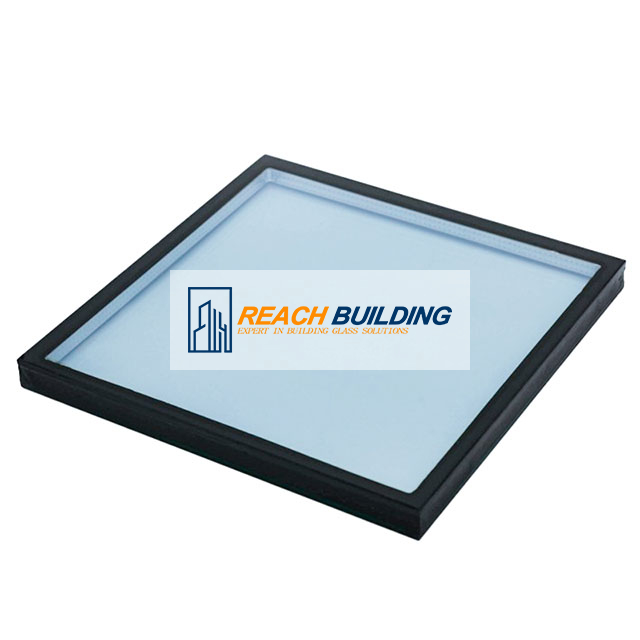
Procuring commercial glazing at scale carries significant financial and project timeline risks. A sample represents a supplier's best foot forward. However, evaluating it requires much more than a quick visual check. Marketing claims about energy efficiency often obscure the physical realities. Issues involving coating durability, seal integrity, and climate suitability frequently remain hidden behind polished brochures. Relying only on technical data sheets leaves your building exposed to critical failures. We developed this strictly evidence-based framework for procurement managers and architects. It gives you the necessary tools to evaluate and stress-test samples rigorously. You will learn how to verify optical data against physical reality. This evaluation process helps you eliminate inferior products early. Ultimately, you can confidently secure your bulk B2B order and guarantee long-term performance.
Key Takeaways
Always cross-reference a sample’s physical makeup with the stated low e insulated glass specifications (U-value, SHGC, VLT).
Physical inspections must verify coating placement (Surface 2 vs. Surface 3) and manufacturing type (hard vs. soft coat).
An insulated glass unit is only as good as its edge seal; evaluating spacer materials and sealant application is critical for long-term ROI.
Vetting the low e insulated glass supplier requires validating batch-to-batch consistency, warranty terms, and independent lab certifications.
1. Auditing the Low E Insulated Glass Specifications
You must define the baseline performance early in the evaluation process. Start by comparing the supplier's technical data sheet against your project compliance requirements. Physical samples mean nothing if they fail local building codes. low e insulated glass samples often look identical to the naked eye. We rely on strict technical data to uncover true capabilities.
The Big Three Metrics
Every procurement decision hinges on three primary performance indicators. You must scrutinize these numbers before ordering.
U-Value: Assess insulation performance carefully. It measures overall heat transfer through the glazing. Lower U-values indicate better insulation. They keep interior spaces warmer during harsh winters.
Solar Heat Gain Coefficient (SHGC): Evaluate how well the glass blocks solar radiation. This metric scales from 0 to 1. Lower numbers mean less heat enters the building. This keeps cooling loads manageable during summer months.
Visible Light Transmittance (VLT): Balance energy efficiency against required natural daylighting. Higher VLT percentages allow more natural light inside. This improves human comfort and reduces artificial lighting needs.
Evaluating Trade-offs
You cannot maximize all three metrics simultaneously. Highly reflective, low-SHGC samples often sacrifice VLT significantly. They create darker interior environments. You must review the low e insulated glass specifications to find the right balance. Architects use the Light-to-Solar Gain (LSG) ratio to measure this efficiency. Use these metrics to eliminate samples skewing too far in one direction. Tailor your selection specifically for your regional climate zone.
Optimal Specification Ranges by Climate Zone
Climate Zone Type
Target U-Value (Metric)
Ideal SHGC Range
Recommended VLT
Cooling-Dominated (Hot)
< 1.4 W/m²K
0.20 - 0.25
40% - 60%
Mixed Climate (Moderate)
< 1.6 W/m²K
0.30 - 0.40
50% - 70%
Heating-Dominated (Cold)
< 1.2 W/m²K
0.45 - 0.55
> 65%
2. Physical Inspection: Verifying Coating Types and Silver Layers
You must verify the actual coating on the glass sample. Manufacturers use two distinct processes. They produce very different performance results. We evaluate these differences physically.
Coating Identification
Differentiate between Hard Coat and Soft Coat technologies immediately. Hard coat is known as Pyrolytic glass. Manufacturers apply tin oxide during the float glass cooling process. It offers extreme durability. However, it delivers lower thermal performance. Soft coat relies on Magnetron Sputtering Vapor Deposition (MSVD). Factories apply this in a vacuum chamber. It delivers superior high performance. It also requires highly secure sealing to prevent rapid oxidation.
Validating Silver Layers
Soft coats rely on microscopic silver layers. You must outline methods to detect single, double, or triple silver layers. You can use an ohmmeter for basic checks. Lower electrical resistance indicates higher silver content. Commercial low-e detectors provide clearer readouts. They identify exactly which surface holds the coating.
Implementation Reality: Triple-silver layers offer peak performance. They block massive amounts of solar heat. However, they can introduce unwanted visual shifts. You might notice heavy green or blue-gray tints. You must assess these low e insulated glass samples carefully in natural light.
Surface Placement
Confirm the low-e coating rests on the correct surface for your project's climate. Glazing surfaces are numbered from the outside in. Surface 1 is the exterior face. Surface 2 is the inside of the exterior pane. Surface 3 is the outside of the interior pane. Surface 2 works best for cooling-dominated climates. It blocks heat before it enters the air cavity. Surface 3 suits heating-dominated climates perfectly. It reflects furnace heat back into the room.
3. Assessing the Insulated Glass Construction and Seal Integrity
Bulk order failures rarely stem from the glass itself. They almost always result from premature edge seal failure. You must evaluate the mechanical construction closely.
The Weakest Link
An insulated glass unit relies entirely on its edge seal. The seal prevents moisture from entering the cavity. It keeps insulating gases trapped inside. If the seal fails, condensation forms between the panes. The entire unit becomes useless and visually impaired. Testing the sample's seal quality predicts bulk longevity.
Spacer Evaluation
Inspect the sample’s spacer bar meticulously. The spacer separates the two glass panes. Compare standard aluminum against warm-edge spacers. Standard aluminum creates high thermal bridging. It pulls cold temperatures directly into the interior pane edge. This causes winter condensation. Warm-edge spacers solve this problem. Look for stainless steel or structural silicone foam. They block thermal bridging effectively.
Sealant Application
Look specifically for dual-seal construction on the sample. Verify the uniformity of the primary seal. Manufacturers use Polyisobutylene (PIB) for this layer. PIB stops moisture vapor transmission. It must appear consistent, without gaps or bubbles. Next, check the structural integrity of the secondary seal. Factories use Silicone or Polysulfide here. This layer holds the heavy glass panes together mechanically. It must be thick and perfectly cured.
Gas Retention Indicators
Check for proper argon or krypton fill ports. Manufacturers fill the cavity with heavy gases to boost insulation. Examine their seal-off methods. Poorly plugged holes leak gas rapidly. Clean, heavily sealed ports gauge long-term insulation reliability. Proper manufacturing prevents the insulating gas from escaping over the decades.
4. The Visual Mock-Up: Testing Samples in Real-World Conditions
Holding a small glass square inside an office tells you nothing about its actual appearance. You must test samples under accurate environmental conditions.
Lighting Variability
We strongly advise against evaluating glass solely under office fluorescent lighting. Artificial lights distort the optical spectrum. They misrepresent color rendering indices completely. Metamerism causes objects to change color under different light sources. Your sample will look drastically different installed on a building exterior.
Outdoor Context
Build a structural mock-up directly on the project site. This requires a small financial investment but saves millions in rejection costs. Follow this process for accurate evaluation:
Construct a freestanding aluminum or wood frame matching your intended mullion system.
Install full-sized sample panels facing the exact solar orientation planned for the building.
Surround the glass panels using the actual facade materials (brick, metal panels, or stone).
Observe the mock-up at multiple times of day, including morning, harsh noon sun, and dusk.
Evaluate exterior reflectance from the street level to gauge neighborhood impact.
Check carefully for interior glare during direct sunlight. Observe how the glass color shifts against your adjacent building materials. This real-world context exposes hidden aesthetic flaws.
Managing Aesthetic Expectations
Transparently address visual realities with your clients. "Clear" low-e glass still carries a slight hue. The multiple silver layers reflect specific light wavelengths inevitably. It is physically impossible to achieve zero color shift while maintaining high energy efficiency. Getting stakeholder buy-in on the sample’s exact aesthetic prevents costly rejections post-installation. Show them the physical mock-up early.
5. Vetting the Low E Insulated Glass Supplier for Scale
A perfect hand-delivered sample does not guarantee a perfect bulk delivery. You must evaluate the manufacturing source itself. Scaling from one unit to one thousand exposes poor operational practices.
Beyond the Sample
You are buying a manufacturing process, not just a piece of glass. Every low e insulated glass supplier operates differently. You must investigate their facility protocols. Ensure they have the capacity to handle your volume.
Supplier Evaluation Criteria
Batch-to-Batch Consistency: Request QA/QC documentation on how the supplier maintains coating consistency. Coaters can experience target depletion during large production runs. This causes varying tint levels between batches. Ask for their inline optical scanner reports.
Certifications: Demand third-party independent testing validation. Look for National Fenestration Rating Council (NFRC) or Insulating Glass Certification Council (IGCC) documents. Accept regional equivalents if building internationally. These prove ongoing factory audits.
Warranty Analysis: Scrutinize the fine print regarding seal failure and coating degradation. Many warranties contain loopholes. Ensure they cover labor costs for replacement, not just raw materials. Clarify the exact prorated terms over a 10- or 20-year span.
Lead Times and Packaging: Evaluate the supplier's logistics for safe bulk transit. Inspect their crating methods. Ask about steel A-frames. Demand protective masking films for soft coats. Proper edge deletion and safe handling prevent transit cracks and edge seal contamination.
Conclusion
Audit all physical samples strictly against technical data sheets and regional energy code requirements.
Use ohmmeters and visual checks to verify correct coating types and accurate surface placements.
Examine the spacer materials and dual-seal application closely to ensure long-term edge seal survival.
Build a full-scale outdoor structural mock-up to evaluate reflectance, glare, and color shift accurately.
Demand rigorous third-party QA documentation and warranty clarity before signing the bulk purchase order.
We encourage buyers to narrow their shortlist down to two or three suppliers. Request full-sized mock-up panels from each. Compare them side-by-side on your project site. Take the time to validate their manufacturing consistency. This disciplined approach guarantees you select the best possible glazing for your commercial investment.
FAQ
Q: How can I tell if a sample actually has a low-E coating?
A: You can use a simple lighter test. Hold a flame near the glass. You will see multiple reflections. One reflection will appear a different color (often pink or purple) if a low-E coating exists. Alternatively, use a specialized low-E edge meter. It detects the conductive metallic layer instantly.
Q: Why does my low e insulated glass sample look slightly green?
A: Multiple layers of microscopic silver inherently alter light wavelengths. Double or triple-coated soft coats provide massive energy savings. However, they reflect specific portions of the solar spectrum. This physical property results in slight green or blue-gray tints visible under natural daylight.
Q: Should I request triple-glazed samples for my commercial project?
A: You must address the ROI calculation first. Triple glazing offers superior U-values. However, it significantly increases unit weight, frame reinforcement requirements, and upfront costs. It is best reserved for extreme climates or specific passive-house level compliance projects.
Q: Do gas-filled insulated glass samples lose gas over time?
A: Yes. The industry-accepted leakage rate is roughly 1% per year. Inspecting the primary PIB seal on your physical sample is crucial. A flawless, continuous primary seal acts as the best predictor for long-term gas retention and sustained thermal performance.
Miracle Co-founder of Reachbuilding
Miracle owns a glass factory that has been in operation for 40 years. His family has been engaged in the construction industry for over 60 years and possesses extensive engineering and production experience. At Reach Building, he focuses on product technical support, custom solutions, and industry trend analysis for global dealers, contractors, and builders.In his column, Miracle shares practical insights, project case studies, and expert advice to help construction professionals select the right glass for safer, more energy-efficient buildings.
With nearly 30 years of experience in building materials, Reach Building provides customized glass products and technical solutions for global construction and interior projects.
We use cookies to enable all functionalities for best performance during your visit and to improve our services by giving us some insight into how the website is being used. Continued use of our website without having changed your browser settings confirms your acceptance of these cookies. For details please see our privacy policy.