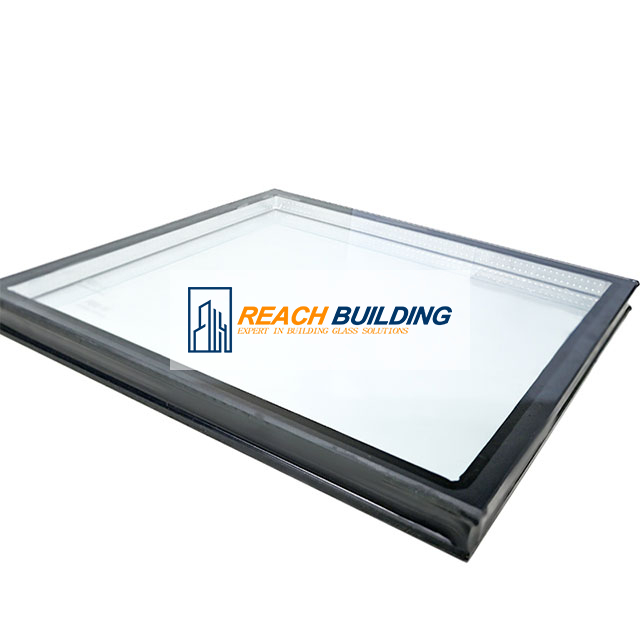
Miscalculating procurement schedules for architectural glazing often triggers a cascade of costly project failures. It directly leads to critical path delays, substantial budget overruns, and compromised building envelopes. Builders and contractors face a constant tension on the job site. You must constantly balance the urgent need for strict project timelines against the rigid manufacturing realities of custom versus standard units. Complex modern designs demand highly specific materials, but tight construction schedules simultaneously demand rapid speed.
This comprehensive guide provides procurement managers and project estimators with a realistic, actionable framework. We will show you exactly how to align specific material requirements, Minimum Order Quantities (MOQ), and delivery schedules. You will learn how to navigate complex supply chain variables efficiently. We will equip you with proven strategies to meet strict deadlines without sacrificing product quality or exceeding your operational budget.
Key Takeaways
Standardized dimensions drastically reduce both MOQ thresholds and lead times by utilizing existing supplier inventory buffers.
Custom insulated glass specifications (e.g., specialized Low-E coatings, oversized units, inert gas fills) typically require a 4–8 week extension and higher batch MOQs.
"Accurate" lead times matter more than "fast" lead times; true timelines must account for contract execution, shop drawing approvals, production, and transit.
Evaluating an insulated glass supplier should be based on their supply chain transparency, inventory depth, and defect replacement policies, not just upfront unit cost.
How Insulated Glass Specifications Dictate Production Minimums
Understanding production minimums requires looking closely at the factory floor. Manufacturers do not set MOQs arbitrarily. They base these minimums on strict machine setup times, material optimization requirements, and specialized coating runs. When you order glass, factories must calibrate automated cutting tables. They must flush and refill edge-sealing equipment. They also configure tempering furnaces for specific glass thicknesses. These changeovers consume valuable production hours.
The Manufacturing Reality
Factories maximize efficiency by grouping similar orders. Glass sheet optimization software minimizes scrap waste. If you request a highly unique size, the factory might waste large portions of the raw float glass sheet. To absorb this scrap cost, they enforce a strict MOQ. Specialized coating runs present similar challenges. Applying a unique Low-E sputter coating requires adjusting the vacuum deposition chambers. Facilities cannot pause high-volume production for a minor custom batch without charging a substantial premium.
Standard vs. Custom Thresholds
Your design choices directly influence these manufacturing thresholds. You will generally encounter two primary scenarios when specifying your project:
Standard sizes and makeups: These items often carry low or zero MOQs. Facilities draw them from an active, continuous production matrix. If you specify standard 1-inch thick clear insulated units, factories can easily slot your order into daily runs.
Highly specified units: These trigger severe volume minimums. Examples include custom acoustic laminates, complex geometric shapes, and specific warm-edge spacers. Manufacturers enforce strict minimums to justify the expensive production line changeovers.
Cost-to-Volume Ratio
Procurement teams must carefully analyze the cost-to-volume ratio. Sometimes paying a higher unit premium for a smaller custom batch makes strategic sense. Other times, purchasing the supplier’s full minimum batch requirement is more viable. You can often keep the excess units as attic stock. Attic stock provides immediate replacements for future site breakages. Always run a break-even analysis. Compare the inflated short-run premium against the cost of ordering the full MOQ.
Common Mistake: Assuming minor specification tweaks will not affect the MOQ. Even a simple change in the argon gas fill percentage can shift your order from a standard line to a custom batch.
Calculating True Lead Times: From Contract to Site Delivery
You cannot rely on a single date quoted by a sales representative. True lead time calculation demands a detailed breakdown of the entire order lifecycle. Setting realistic project expectations prevents scheduling conflicts on the job site.
Breaking Down the Timeline
The manufacturing process moves through four distinct phases. Each phase carries specific time requirements and potential bottlenecks.
Phase 1: Engineering & Approval (1-3 weeks)
This phase involves creating shop drawings, verifying insulated glass specifications, and finalizing contracts. Factories will not procure raw materials until engineers approve every drawing. Delays in returning signed submittals will automatically extend your final delivery date.
Phase 2: Material Procurement (1-4 weeks)
Suppliers must source specific tints, interlayers, or specialized spacers from primary float glass manufacturers. If your design requires a rare colored PVB interlayer, procurement time increases significantly. Standard clear glass procurement usually happens instantly from existing factory stock.
Phase 3: Fabrication (2-5 weeks)
This is the physical creation stage. Workers cut the raw glass, temper the panes, and assemble the sealed units. They inject the inert gas and allow the silicone seals to cure fully. Proper curing time remains non-negotiable for structural integrity.
Phase 4: Logistics & Transit (1-6 weeks)
Transit times vary wildly based on your vendor location. Domestic shipping might take a few days. International shipping involves crating, ocean freight, port congestion, and customs processing. You must factor in potential delays at every transfer point.
Lead Time Phase Analysis
Project Phase
Estimated Duration
Critical Bottlenecks
Engineering & Approval
1-3 weeks
Client drawing revisions, contract sign-offs
Material Procurement
1-4 weeks
Raw float glass availability, specialty interlayer sourcing
Fabrication & Assembly
2-5 weeks
Furnace maintenance, curing time requirements
Logistics & Transit
1-6 weeks
Customs clearance, port strikes, truck driver shortages
The "Accuracy" Benchmark
Dependable delivery dates hold far more strategic value than aggressive, unverified promises. Accurate lead times validated by historical supplier data protect your critical path. Fast but unreliable promises often lead to crews standing idle. Always ask vendors for their on-time delivery percentage for the previous four quarters. Predictability outperforms speed in commercial construction.
Supply Chain Variables and Risk Mitigation Strategies
Even the most meticulously planned schedule remains vulnerable to external shocks. Global supply chains fluctuate constantly. Procurement managers must anticipate these variables and build strategic buffers into their execution plans.
Market Fluctuations
Seasonal demand spikes heavily impact standard timelines. During peak summer construction months, glass fabricators run at maximum capacity. Raw material shortages also ripple through the market unexpectedly. Shortages in raw silica, soda ash, or structural silicone sealants will halt production lines. When selecting insulated glass, you must track these macro-economic trends. A sudden silicone shortage can add four weeks to a standard six-week timeline.
The Breakage Buffer
Job site breakage happens on almost every large commercial project. Forklifts bump crates. Wind gusts catch oversized panels during crane hoisting. Ordering exact quantities leaves you entirely exposed. We strongly recommend ordering a 5–10% overage on complex custom specifications. This strategy prevents catastrophic delays. It ensures you avoid triggering a secondary MOQ penalty and another full production wait time. Keep these extra units safely crated on-site until final inspection.
Staggered Deliveries
Urban construction sites rarely offer expansive storage space. You cannot accept a thousand glass panels simultaneously. Structuring your contract to allow phased shipments solves this problem. Staggered deliveries align the material arrival precisely with the installation schedule. This approach eases site storage constraints while satisfying the factory’s need to run large production batches. They produce the whole batch efficiently but ship it to you in manageable weekly phases.
Best Practice: Explicitly define the warehousing costs in your staggered delivery contract. Some factories offer 30 days of free storage, while others charge daily demurrage fees immediately.
Strategic Tactics for Negotiating MOQ Constraints
Many buyers accept MOQ limitations as rigid rules. However, experienced procurement managers treat them as starting points for negotiation. You can utilize several strategic tactics to bypass or mitigate strict volume minimums effectively.
Consolidating Glass Makeups
Architects and buyers should collaborate early to unify specifications across the entire project. If a building uses five slightly different glass makeups, you might struggle to meet the MOQ for any of them. By consolidating designs into two or three primary makeups, you pool the required volume. You achieve the total volume minimums efficiently. This unification also simplifies installation and reduces the risk of glazing errors on site.
Inventory Agreements
Long-term, multi-phase projects require creative warehousing solutions. You can negotiate an inventory agreement. The supplier agrees to produce the entire MOQ upfront in one efficient run. They then hold a designated portion in their own warehouse for future draw-downs. This guarantees batch consistency. It also locks in the pricing for future phases. This tactic proves ideal for sprawling campus developments or multi-tower residential builds.
Prototyping & Mockups
High-stakes projects often require performance mockups before full production begins. You must structure early agreements carefully. Ensure initial pilot units bypass standard MOQ rules. Factories usually accommodate this if you tie the prototype order to a guaranteed primary bulk order. The pilot units act as a quality control baseline. Once architects approve the mockup, the factory triggers the bulk production phase.
Identify all unique glass makeups in the architectural schedule.
Eliminate redundant variations to consolidate volume.
Request mockup exemptions for performance testing.
Draft a warehouse draw-down agreement for the consolidated batch.
How to Evaluate an Insulated Glass Supplier for Delivery Reliability
Selecting the right manufacturing partner dictates your ultimate success. Do not judge a vendor solely by their upfront unit cost. A cheap panel arriving three months late will destroy your project budget. You must evaluate suppliers based on operational resilience and structural transparency.
Vetting Production Capacity
You must actively question their mechanical redundancy. Machine breakdowns happen frequently in heavy industry. Ask specific questions: "Do you have backup tempering furnaces?" or "Do you operate dual automated IG sealing lines?" An insulated glass supplier operating single points of failure carries immense risk. If their only cutting table breaks, your timeline completely stalls. Redundant lines guarantee continuous movement even during scheduled maintenance.
Supply Chain Integration
Examine where your supplier sources their base materials. Assess whether they rely heavily on volatile overseas raw materials. A robust domestic inventory of base float glass and PVB interlayers provides immense stability. Fully integrated suppliers—those controlling everything from raw glass coating to final assembly—offer the highest reliability. They do not wait on third-party vendors to deliver intermediate components.
Replacement SLA (Service Level Agreement)
You must evaluate the supplier's contractual commitment regarding expedited replacements. What happens when a unit arrives scratched? Review their Service Level Agreement carefully. The SLA should explicitly state the lead time for expediting warranty replacements. Top-tier fabricators maintain a dedicated "fast-track" line specifically for replacements. They ship damaged units within days, not weeks. Guarantee this replacement timeline in writing before signing the primary purchase order.
Next-Step Action
Move beyond superficial initial evaluations. Stop asking for generic pricing per square foot. Instead, submit your detailed, spec-driven schedule. Request a comprehensive cost breakdown mapped directly to your critical path. Demand transparency regarding which specific line items trigger MOQs. Use this granular data to finalize your procurement strategy.
Conclusion
Mastering MOQ and lead time planning prevents disastrous schedule failures. You must integrate architectural design choices, procurement strategies, and strict factory realities early in the planning phase. Recognizing the profound impact of specialized coatings and custom dimensions allows you to anticipate delays proactively. Consolidating specifications ensures you meet volume minimums efficiently.
Successful execution relies entirely on transparent, continuous communication regarding constraints. Building realistic buffers into your schedule protects your teams from inevitable supply chain shocks. Accurate timelines always provide more value than aggressive, unverified promises.
Stop relying on guesswork for your next major build. Gather your architectural schedules and exact technical requirements today. Submit them to a trusted manufacturing partner for a customized, data-backed feasibility review. Taking this decisive action guarantees a smoother, more profitable installation phase.
FAQ
Q: Can I bypass the MOQ if I need immediate replacement for broken insulated glass?
A: Yes, top-tier manufacturers offer expedited replacement programs that bypass standard MOQs. They utilize dedicated fast-track production lines rather than standard batch scheduling. However, expect to pay a significant cost premium for breaking into the production queue. Always confirm these expedited terms in your initial Service Level Agreement.
Q: How much time do specialized Low-E coatings add to the standard lead time?
A: Stock soft-coat or hard-coat glass typically adds no extra time. However, custom sputter-coated orders require dedicated vacuum chamber runs. This process usually adds 4 to 8 weeks to your standard lead time. Factories must accumulate enough volume to justify the expensive machinery changeover.
Q: Does domestic sourcing guarantee a faster lead time than overseas suppliers?
A: Not always. Domestic sourcing eliminates ocean transit and customs delays, saving several weeks. However, domestic factories often face massive domestic backlogs and labor shortages. You must compare the overseas transit time against the domestic factory queue. Focus on schedule predictability rather than geographical location alone.
Q: What happens to the lead time if my insulated glass specifications change mid-production?
A: Changing specs mid-production triggers an immediate contractual stop-work order. You will face scrap costs for materials already cut. The factory will require new engineering approvals. Your order drops to the back of the queue, typically resetting the entire 6-to-10-week timeline from day one.
Miracle Co-founder of Reachbuilding
Miracle owns a glass factory that has been in operation for 40 years. His family has been engaged in the construction industry for over 60 years and possesses extensive engineering and production experience. At Reach Building, he focuses on product technical support, custom solutions, and industry trend analysis for global dealers, contractors, and builders.In his column, Miracle shares practical insights, project case studies, and expert advice to help construction professionals select the right glass for safer, more energy-efficient buildings.
With nearly 30 years of experience in building materials, REACH BUILDING provides customized glass products and technical solutions for global construction and interior projects.
We use cookies to enable all functionalities for best performance during your visit and to improve our services by giving us some insight into how the website is being used. Continued use of our website without having changed your browser settings confirms your acceptance of these cookies. For details please see our privacy policy.