Introduction
Have you ever wondered how glass is reshaping modern architecture? This transparent material, once used for simple windows, has become a cornerstone of innovative, sustainable building designs.
In this article, we will explore how Architectural Glass is transforming both the aesthetics and functionality of buildings. From facades to structural elements, you will discover the diverse ways glass is being used to create energy-efficient, eco-friendly spaces. You'll learn about the latest glass technologies, their benefits, and how they are shaping the future of architectural design.

Innovative Glass Facades: Enhancing Aesthetics and Functionality
Glass facades are now a hallmark of contemporary architecture. These expansive, often floor-to-ceiling installations help create sleek, modern aesthetics while offering numerous functional benefits. Let’s explore how transparent glass facades, glass curtain walls, and high-performance glass are reshaping the skyline of cities across the globe.
The Impact of Transparent Glass Facades on Modern Buildings
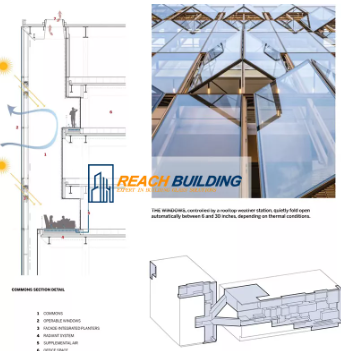
Transparent glass facades create a visual connection between the interior of a building and the external environment, allowing natural light to flood interior spaces. This not only reduces the need for artificial lighting but also connects the building to the surrounding landscape, enhancing the user experience. The ability to look outside while inside promotes a sense of openness and fosters an environment that feels more connected to nature.
These facades are perfect for creating open, airy environments that feel larger and more inviting. With their ability to maximize light and provide stunning views, transparent glass facades have become synonymous with modern, sustainable design. Furthermore, they enhance the overall aesthetics of the building by offering clean, minimalistic lines that complement a variety of architectural styles.
Energy-Efficient Glass Curtain Walls in Modern Design
Glass curtain walls are a prominent feature in many modern buildings. These walls, made entirely of glass, offer sleek, reflective surfaces that are visually striking. Beyond aesthetics, they provide significant energy efficiency benefits by maximizing natural light while minimizing heat loss. This energy efficiency is crucial in reducing building operational costs and minimizing the building's carbon footprint.
For instance, glass curtain walls paired with low-emission coatings can significantly improve thermal insulation, which is essential in colder climates. Architects are increasingly using these systems to reduce energy consumption and carbon footprints while maintaining a high level of visual appeal. The combination of light and energy efficiency allows for the creation of visually stunning, environmentally conscious buildings that reduce the reliance on artificial lighting and heating.
Sustainable High-Performance Glass for Eco-Friendly Architecture
Advancements in Architectural Glass technology have led to the development of high-performance glass that is both energy-efficient and durable. Low-emission coatings, double glazing, and tinted glass are just some of the features that improve energy performance. These innovations make it possible to design buildings that are not only visually stunning but also energy-efficient, which is critical for achieving green building certifications like LEED.
Sustainable glass solutions help regulate temperatures inside a building, reducing the need for mechanical heating and cooling. This is not only good for the environment but also significantly reduces long-term operating costs. By selecting high-performance glass, architects and builders are making a long-term investment in energy efficiency and sustainability. When designing facades or glass walls, ensure your materials meet energy efficiency standards to reduce long-term operational costs. High-performance glass is a valuable investment that pays off in both aesthetics and energy savings.
Using Glass for Energy Efficiency and Sustainability
As sustainability becomes an increasing priority in construction, Architectural Glass is playing a crucial role in reducing buildings’ environmental impact. From energy-efficient glass to smart glass technology, these innovations are transforming how buildings interact with their environment.
Energy-Efficient Glass: A Key to Reducing Building Costs
Energy-efficient glass, such as Low-E glass, is designed to minimize the transfer of heat, helping regulate indoor temperatures. This is especially beneficial in regions with extreme climates, where heating and cooling demands are high. Low-E glass coatings reflect heat back into the building during winter while allowing sunlight to warm the interior. In summer, it prevents excess heat from entering, reducing the need for air conditioning.
Using energy-efficient glass in both residential and commercial buildings can result in significant cost savings on heating and cooling. By decreasing the need for artificial lighting and HVAC systems, energy-efficient glass contributes to both the environment and the building’s bottom line. Additionally, buildings with energy-efficient glass are often more attractive to buyers and tenants due to the lower operating costs.
| Glass Type | Benefits | Applications | Thermal Insulation | Solar Heat Gain Coefficient |
| Low-E Glass | Reflects heat while allowing light | Residential, Commercial | Excellent | Low |
| Insulated Glass | Reduces heat transfer | Windows, Facades | Good | Moderate |
| Tinted Glass | Blocks solar heat and UV rays | Skylights, Windows | Moderate | High |
| Reflective Glass | Reduces glare and solar gain | Commercial Buildings, Glass Facades | High | Low |
Smart Glass: Revolutionizing Energy Conservation in Architecture
Smart glass is an exciting advancement that allows glass to dynamically adjust its transparency. This innovation lets architects create buildings that respond to changing environmental conditions, making the interior more comfortable while reducing the need for artificial lighting and temperature control.
For example, electrochromic glass can automatically adjust its tint when exposed to sunlight, reducing glare and heat build-up. This creates an adaptive environment that responds to the needs of the space and its occupants. As a result, smart glass plays a key role in reducing energy consumption and increasing overall building efficiency. It is becoming a popular choice for commercial buildings, particularly in urban areas where solar gain and glare are major concerns.
| Smart Glass Type | Functionality | Use Cases | Benefits |
| Electrochromic Glass | Changes opacity with electric voltage | Office Buildings, Homes | Controls light and heat; energy savings |
| Thermochromic Glass | Changes transparency with temperature | Skylights, Windows | Regulates indoor temperature |
| Photochromic Glass | Adjusts transparency based on UV light | Solar Panels, Facades | Minimizes glare and UV damage |
| Liquid Crystal Glass | Changes from opaque to transparent with current | Offices, Conference Rooms | Privacy control and daylight optimization |
Sustainable Glass Solutions for Green Building Certification
Recyclable glass, energy-efficient glazing, and low-emission coatings are all components that contribute to the sustainability of modern architecture. Incorporating these materials into your designs can help achieve green certifications such as LEED or BREEAM.
Architects and designers are increasingly choosing Architectural Glass that minimizes the carbon footprint while maintaining high aesthetic and functional standards. These sustainable solutions contribute to long-term cost savings, higher property value, and better occupant well-being. The demand for energy-efficient and sustainable building materials continues to rise, and incorporating glass solutions that meet these requirements is essential for future-proofing designs.
Consider specifying sustainable glass options in your next project to meet environmental goals and certifications. Sustainable glass solutions are a key component in reducing the overall environmental impact of buildings.
| Sustainable Glass Type | Features | Environmental Impact | Applications |
| Recyclable Glass | Made from 100% recyclable materials | Reduces waste, conserves resources | Windows, Facades |
| Low-E Glass | Coated with a thin metallic layer to reduce heat transfer | Reduces energy use, improves insulation | Homes, Commercial Buildings |
| Insulated Glass | Double or triple glazing with air or gas layers | Better thermal performance and insulation | Residential, Commercial |
| Low-Emission Coatings | Reflects infrared radiation while allowing visible light | Reduces cooling load and saves energy | Windows, Skylights |
Glass as a Structural Element: Redefining Architectural Strength
Glass is not only used for windows and facades; it is now being incorporated into structural elements of buildings. Its strength, durability, and transparency allow architects to create innovative designs that once seemed impossible.
Structural Glass Facades: Creating Seamless Building Exteriors
Structural glass facades are becoming increasingly popular in modern architecture. These facades eliminate the need for visible frames, resulting in clean, uninterrupted surfaces that are aesthetically pleasing. The use of Architectural Glass as a structural element ensures both the visual appeal and the stability of the building.
Laminated and tempered glass are typically used in structural applications for their strength and impact resistance. This type of glass allows architects to create expansive, open spaces without compromising safety or performance. By using structural glass, architects can achieve a minimalist aesthetic that emphasizes clean lines and uninterrupted views.
Glass Floors and Staircases: Combining Style with Safety
Glass floors and staircases have emerged as bold design choices in contemporary architecture. These transparent elements allow light to pass through different levels of a building, creating a sense of openness and visual connectivity between floors.
In addition to their aesthetic appeal, glass floors and staircases are engineered for safety and durability. Laminated glass, which is designed to hold together even when broken, ensures that these features meet the necessary safety standards while maintaining their sleek, modern look. The use of glass in these elements transforms ordinary architectural features into works of art.
Laminated and Tempered Glass: Enhancing Building Safety
Laminated and tempered glass are critical in ensuring the safety and stability of modern buildings. Laminated glass is used for its ability to remain intact when shattered, making it ideal for applications in high-traffic areas or high-rise buildings. Tempered glass, on the other hand, is four times stronger than regular glass, making it a popular choice for facades, windows, and doors.
Tip: Always specify laminated or tempered glass for high-traffic areas to improve safety and reduce the risk of accidents. These materials provide both durability and peace of mind.
Creative Interior Applications of Glass in Modern Architecture
Beyond its use in facades and exteriors, glass is increasingly used to define interior spaces. Whether it's through partitions, doors, or artistic installations, glass adds a layer of transparency and modernity to interior design.
Glass Partitions: Achieving Open-Concept Interiors
Glass partitions are a popular solution for creating flexible interior layouts. They allow for an open, flowing design while still providing functional separation between rooms or areas. This is particularly important in modern office spaces where collaboration is encouraged but privacy is still necessary.
Glass partitions can also be used in homes to divide spaces without obstructing light or views, creating a seamless flow between rooms. They offer a modern, sophisticated look that suits a wide range of interior styles. By using glass to partition spaces, architects can maintain an open atmosphere while providing the necessary separation between functions.
Glass Doors and Windows: Blurring the Line Between Indoors and Outdoors
Glass doors, such as sliding and pivot doors, offer a seamless transition between indoor and outdoor spaces. These doors are particularly popular in homes and offices where creating a connection with nature is a priority. Large glass windows allow natural light to flood the interior, enhancing the ambiance and making the space feel more expansive.
The integration of large glass panels in windows and doors allows architects to create an effortless connection between the building’s interior and the surrounding environment, fostering a sense of openness and tranquility. Glass doors help blur the lines between indoor and outdoor living, enhancing the architectural experience.
Artistic Glass Installations: Enhancing Interior Design
Glass is not only functional but also an art form. Decorative glass installations are being used in interior design to add visual interest and uniqueness to spaces. From stained glass to custom-designed glass panels, these installations allow for creative expression while maintaining the material’s transparent qualities.
These artistic glass pieces can be used as focal points, adding character and vibrancy to spaces. Whether used in public buildings, offices, or homes, they create a conversation piece while maintaining the elegance and modernity that glass offers.
Tip: Consider incorporating glass art pieces or decorative glass features to add a unique touch to your interior designs. Artistic glass installations can elevate any space, making it feel one-of-a-kind.

The Future of Glass: Smart and Solar Technologies in Architecture
The future of Architectural Glass lies in its ability to integrate advanced technologies like smart glass and photovoltaic glass. These innovations are pushing the boundaries of what glass can do, creating buildings that are more adaptable, sustainable, and energy-efficient.
Smart Glass: Advancing Dynamic and Adaptive Architecture
Smart glass is transforming architecture by making it possible to control the transparency of glass surfaces. This allows buildings to respond dynamically to environmental conditions, offering both energy conservation and comfort. As smart glass technology continues to improve, we can expect more buildings to incorporate this feature to enhance sustainability and occupant experience.
Smart glass provides building occupants with more control over their environment, improving comfort while reducing reliance on heating, cooling, and artificial lighting. This innovation is becoming increasingly common in office buildings, commercial spaces, and residential properties.
Solar Glass: Integrating Renewable Energy into Architectural Design
Solar glass is an exciting development in architectural design. This type of glass incorporates photovoltaic technology, allowing it to capture sunlight and convert it into electricity. By integrating solar glass into facades, roofs, and windows, buildings can generate renewable energy, reducing their reliance on traditional energy sources.
The integration of solar glass into architectural designs not only helps buildings generate clean energy but also contributes to reducing operational costs. This technology supports the growing demand for sustainable architecture by making it possible to generate energy while maintaining aesthetic appeal.
Tip: When designing a sustainable building, consider integrating solar glass to generate renewable energy and reduce operating costs. Solar glass is a cost-effective way to achieve energy independence.
| Solar Glass Type | Description | Application | Energy Production |
| Photovoltaic Glass | Glass with integrated solar cells for energy capture | Windows, Roofs, Facades | Generates electricity |
| Transparent Solar Glass | Semi-transparent glass that allows light and energy conversion | Glass Walls, Sunrooms | Moderate to High |
| BIPV Glass | Building-integrated photovoltaic glass used as structural elements | Roofs, Facades | High |
| Organic Solar Glass | Flexible and lightweight solar glass made from organic materials | Lightweight buildings, Mobile Devices | Low to Moderate |
Conclusion
Architectural Glass has proven to be a versatile and essential material in modern design. From energy-efficient facades to dynamic smart glass, it continues to push the boundaries of what is possible in architecture. As technology evolves, more innovative uses of glass will emerge, reshaping both the exterior and interior of buildings.
Incorporating Architectural Glass into your next project can enhance both aesthetic appeal and functionality. It also contributes to sustainability and energy efficiency. The future of architecture is clear, and it’s made of glass.
At REACH BUILDING, we specialize in providing innovative Architectural Glass solutions that enhance building aesthetics and performance. Our products deliver unique value through energy efficiency, durability, and design flexibility. Trust us to bring your architectural vision to life with high-performance glass options.
FAQ
Q: What is Architectural Glass?
A: Architectural Glass refers to glass used in buildings for both functional and aesthetic purposes. It can include transparent facades, glass walls, partitions, and energy-efficient glazing systems.
Q: How is Architectural Glass used in modern buildings?
A: Architectural Glass is used in facades, windows, partitions, and roofs. It enhances natural light, provides energy efficiency, and offers modern design aesthetics, while also contributing to sustainability.
Q: Why is energy-efficient glass important in modern architecture?
A: Energy-efficient glass reduces the need for artificial lighting and HVAC systems, helping lower energy consumption. It also improves insulation and thermal performance, making buildings more sustainable.
Q: What are the benefits of using smart glass in architecture?
A: Smart glass allows buildings to dynamically adjust light and heat intake, improving comfort and reducing energy costs. It’s ideal for enhancing energy efficiency and sustainability in modern designs.
Q: How does Architectural Glass contribute to sustainability?
A: Architectural Glass helps achieve sustainability by reducing energy consumption, improving insulation, and utilizing recyclable materials. It is a key component in eco-friendly building certifications like LEED.