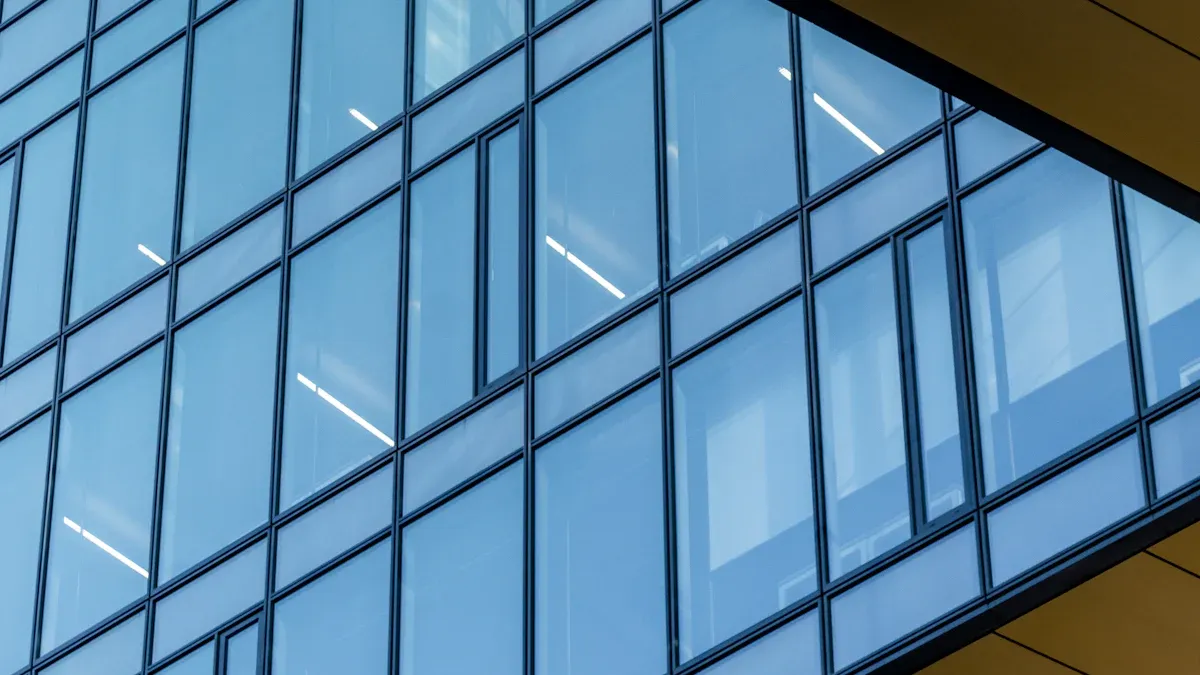
The biggest difference between coated glass and laminated glass is how they are made and what they do. Coated glass has a thin layer on it. This layer helps save energy and blocks UV rays. Laminated glass has a plastic layer inside. This layer keeps the glass together if it breaks. That makes laminated glass very safe. Builders use coated glass to help save energy. Buildings use 36% of the world’s energy. Laminated glass is very important for cars. It keeps people safe and helps the car stay strong. When picking glass, think about safety, saving energy, and how much you want to spend.
Key Takeaways
Coated glass has a thin layer that helps save energy. It also blocks UV rays. This makes it good for energy efficiency. Laminated glass has a plastic layer inside. This layer keeps the glass together if it breaks. It makes the glass safer and more secure. When you pick glass, think about what you need. Use coated glass if you want to save energy and have a nice look. Use laminated glass if you want more safety and less noise. Coated glass usually costs less money. But it might need more care. Laminated glass costs more but keeps you safer. You can use both types of glass in buildings. This helps you get both energy savings and safety.
Coated Glass Overview
What Is Coated Glass
You see coated glass in many buildings and homes. Manufacturers make coated glass by adding a thin layer to the surface. This layer protects the glass and improves its performance. The process includes several steps that help the glass last longer and look better.
This special coating makes the glass stronger and easier to handle. You get glass that resists scratches and stays clear for a long time.
Types of Coated Glass
You can choose from several types of coated glass. Each type offers unique benefits.
Type of Coating | Benefits |
Clear Glass Coating | Increases durability and reduces scratches. |
Colour Glass Coating | Lets you pick custom colors for your glass. |
Self-Cleaning Glass Coating | Makes cleaning easier and keeps windows clear. |
UV Protection Coating | Blocks harmful UV rays and protects furniture and people. |
Benefits of Coated Glass
Coated glass gives you many advantages:
You save energy because the coating reflects heat.
You enjoy less glare, which makes rooms more comfortable.
You get better privacy and protection from UV rays.
The glass lasts longer and looks clean.
You find coated glass in REACH BUILDING products, which focus on quality and comfort.
Studies show that new coatings can lower energy bills by almost 3% in cold climates. The coating also stands up to weather, so you do not need to worry about quick wear.
Drawbacks of Coated Glass
You should know some drawbacks before you choose coated glass:
Coated glass does not offer strong safety features. The coating can wear off quickly if you clean the glass often or use it in tough weather. Most coatings only sit on the surface, so they may need reapplication after a few weeks. This can add to your costs and maintenance time.
If you want more safety, you may need to look at other glass types.
Laminated Glass Overview
What Is Laminated Glass
Laminated glass is used where safety is important. Manufacturers make it by sticking glass layers together with a plastic layer. The plastic layer is usually PVB, TPU, or EVA. Air is removed from between the layers. The glass is heated so the plastic melts. Pressure is added in a special machine to finish the process. The plastic layer makes the glass stronger and tougher. Laminated glass blocks almost all UV rays. This helps protect your furniture and skin.
Safety Features
Laminated glass is known for being safe. It protects against break-ins and strong hits. Tests show it can resist tools like crowbars and hammers. If something hits the glass, it does not break into sharp pieces. The plastic layer keeps the broken glass together. This helps stop injuries from flying glass. Laminated glass can also stop thieves and help in blasts or shootings.
Stops break-ins and forced entry
Stays together after being hit
Lowers the chance of getting hurt by broken glass
Can be made for extra security
Benefits of Laminated Glass
Laminated glass has many good points for homes and businesses. It makes rooms quieter by blocking outside noise. If the glass breaks, it stays together for more safety. Laminated glass blocks harmful UV rays. This keeps your things safe.
Makes rooms quieter from traffic and building noise
Makes indoor spaces safer
Blocks UV rays that can hurt your things
Used in REACH BUILDING projects for more safety and comfort
Drawbacks of Laminated Glass
There are some things to think about before choosing laminated glass. It is heavier than regular glass, so it is harder to install. Laminated glass costs more because of the extra layers. The plastic layer can make it hard to see through over time. Laminated glass does not save much energy. Fixing it can be hard and cost a lot.
You need to think about these problems and the good safety and quietness before you pick laminated glass.
Coated vs. Laminated Glass
Energy Efficiency
You want your building to use less energy. Coated glass helps with this. The special layer on coated glass bounces heat away. This keeps rooms cooler in summer. It also keeps rooms warmer in winter. Laminated glass can help a little with insulation. But it does not save as much energy as coated glass.
Here is a simple comparison:
Glass Type | Energy Efficiency Description |
Low-E Glass | Bounces heat back inside, so you save more energy. |
Laminated Glass | Helps a bit with insulation, but not as much as Low-E glass. |
Tip: If you want lower bills and better temperature control, pick coated glass for your windows. REACH BUILDING uses coated glass to help save energy.
Safety and Security
Safety is very important in many places. Laminated glass gives strong protection. The plastic layer inside keeps the glass together if it breaks. This stops sharp pieces from flying. It helps keep people safe. Laminated glass also helps stop break-ins and protects against storms.
Coated glass does not make the glass stronger. The coating helps with energy and UV rays. But it does not help with safety. If you need more security, laminated glass is better.
Laminated glass: Best for safety and protection from accidents.
Coated glass: Good for saving energy, but not for safety.
Cost Comparison
Think about your budget before you choose glass. Laminated glass costs more because it has extra layers. You pay more for the safety features. Coated glass costs less. But some coatings may need to be replaced after a while.
Laminated glass: Costs more, gives more safety.
Coated glass: Costs less, saves more energy.
Maintenance
You want glass that is easy to clean. Coated glass needs gentle cleaning. Harsh cleaners or rough cloths can hurt the coating. You may need to reapply the coating after some time. Laminated glass does not need special cleaning. But if it breaks, repairs cost more and take longer.
Coated glass: Needs gentle cleaning and maybe re-coating.
Laminated glass: Regular cleaning, but repairs are expensive if broken.
Appearance
You care about how your windows look. Coated glass is usually clear. Some coatings give a slight tint or shiny look. Laminated glass is clear too. But you might see the edges of the plastic layer. Some people notice this difference in style.
Here is a quick look:
Feature | Low-E Glass | Laminated Glass |
Clarity | Clear and not blurry | Clear, but edges may show |
Tint | May have a slight tint from coating | Usually clear |
Aesthetic Consideration | Some people dislike the shiny look | Edge lines can change the look |
Choosing the Right Glass
For Homes
When picking glass for your house, think about safety and comfort. Laminated glass is good if you live near busy roads. It blocks almost all UV rays. It also makes rooms quieter by cutting noise in half. If it breaks, the glass stays together. This keeps your family safe. Coated glass helps you save energy. It keeps rooms cool in summer and warm in winter. Many people use coated glass for big windows. It lets in more light and lowers energy bills.
Here is a simple guide:
Feature | Laminated Glass | Coated Glass |
Safety | Very high | Standard |
Noise Reduction | Excellent | Moderate |
Energy Savings | Moderate | High |
UV Protection | Excellent | Good |
Cost | Higher | Lower |
For Businesses
Businesses want glass that looks nice and keeps people safe. Laminated glass stops break-ins and keeps glass from shattering. It blocks UV rays to protect things in stores. Coated glass cuts glare and saves energy. You can pick tinted or frosted coatings for privacy in offices. Many companies use both kinds in different places.
REACH BUILDING helps businesses choose the right glass. They balance safety and style for each space.
Climate Considerations
Where you live changes which glass is best. In cold places, coated glass with E-coating lets in more sun heat. This helps you stay warm. In hot places, solar control coatings block heat. This keeps rooms cooler. Laminated glass works well in hurricane areas. It stays together in strong winds.
Budget Factors
You want to spend your money wisely. Laminated glass costs more because it has extra layers. It also needs stronger frames. Coated glass costs less and can lower energy bills over time. When planning your budget, think about installation and upkeep. Also think about long-term savings. REACH BUILDING can help you pick glass that fits your budget and needs.
Laminated glass: Costs more at first, best for safety and quiet.
Coated glass: Costs less, best for saving energy.
You now understand the main differences between coated glass and laminated glass. Coated glass helps save energy and lets you pick different styles. Laminated glass is best for safety and makes rooms quieter. Architects say you should use big samples to see how each glass looks and works.
FAQ
What is the main difference between coated glass and laminated glass?
You see coated glass with a thin layer on the surface. Laminated glass has a plastic layer inside. Coated glass saves energy. Laminated glass keeps you safe when it breaks.
Can you use coated glass and laminated glass together?
You can use both types in one building. Coated glass helps with energy savings. Laminated glass adds safety. Many architects mix them for better results.
Does laminated glass block noise?
You get quieter rooms with laminated glass. The plastic layer reduces outside sounds. This helps you enjoy peace at home or work.
How do you clean coated glass?
You should use a soft cloth and gentle cleaner. Avoid harsh chemicals. Strong scrubbing can damage the coating. Clean gently for best results.
Which glass does REACH BUILDING recommend for homes?
REACH BUILDING suggests coated glass for energy savings and comfort. You should pick laminated glass if you want more safety and less noise.