Specifying unverified glazing components poses a dangerous gamble in modern commercial construction. When you install unverified materials, you expose the entire building envelope to severe structural and environmental vulnerabilities. Specifying unverified laminated insulated glass leads to post-installation seal failures, delamination, safety code violations, and costly replacements. Evaluating a manufacturer’s testing protocol remains the most reliable way to separate glossy marketing claims from actual, long-term field performance. This article provides a rigorous, compliance-based framework for evaluating testing standards across the commercial glass industry. You will learn how to identify acceptable manufacturing tolerances before installation begins. We also outline the stringent criteria necessary for selecting a highly credible fabrication partner. By mastering these quality assurance metrics, you protect your architectural projects against unexpected failures.
Key Takeaways
- Reliable laminated insulated glass must pass independent testing for both safety (impact resistance, interlayer adhesion) and longevity (seal durability, gas retention).
- Relying on generic datasheets is insufficient; buyers should require batch-specific compliance with standards like ASTM E2190 and ANSI Z97.1.
- Visual defect thresholds (such as micro-bubbles or edge delamination) must be strictly defined in your initial laminated insulated glass specifications.
- A qualified supplier will maintain active, verifiable certifications with bodies like the IGCC and SGCC.
How Pre-Installation Testing Mitigates Project Risk
Combining lamination and insulation multiplies potential failure points within a single glazing unit. You introduce complex thermal stresses directly to the perimeter seal. Concurrently, environmental moisture constantly threatens the PVB or SGP interlayer. The compounding cost of failure becomes monumental over time. A compromised primary perimeter seal lets valuable argon gas escape into the atmosphere. Moisture then steadily enters the internal cavity. This trapped moisture eventually attacks the exposed interlayer edges. Over several seasons, delamination spreads aggressively across the panel face.
Uncertified glass exposes contractors and building owners to enormous compliance liabilities. You face severe legal risks if untested panels fail during extreme weather events. High-wind and hurricane zones demand strict adherence to dynamic impact ratings. High-security zones require validated blast or ballistic resistance properties. You simply cannot afford to guess about structural performance capabilities.
Architects and procurement teams must define exact testing requirements early. You should establish these parameters in your initial Request for Quotations (RFQs). You need to finalize this baseline before engaging any fabrication partner. Vague requirements invite substandard bidding from unqualified factories. When you mandate specific testing protocols upfront, you force bidders to prove their technical capabilities. This proactive approach immediately filters out vendors lacking necessary quality control infrastructure.
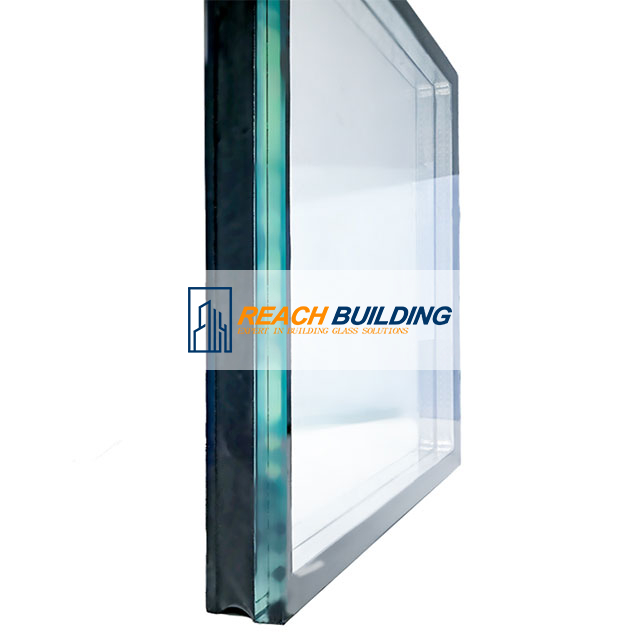
Core Safety and Structural Integrity Tests
Architectural glazing must prioritize human safety above all other performance metrics. Structural laminated glass serves as the primary barrier against falls, impacts, and forced entry. To guarantee this protection, manufacturers subject panels to brutal physical laboratory assessments.
Impact and shatter resistance form the foundation of safety testing. Laboratories verify these properties against ANSI Z97.1 or CPSC 16 CFR 1201 standards. Technicians swing heavy lead-filled bags directly into sample panels. They measure exactly how the glass fractures upon intense impact. The panel must retain its overall structural integrity. It cannot break into hazardous, flying shards. The synthetic interlayer must hold the fractured pieces together securely. This critical mechanism prevents dangerous glass fallout upon breakage.
Interlayer adhesion testing ensures long-term stability under severe environmental stress. Assessors perform rigorous bake and boil tests on sample coupons. They expose glass samples to extreme, sustained heat. They also submerge them in boiling water for extended periods. This process tests the chemical bond connecting the glass plies to the PVB, EVA, or SGP interlayer.
A standard interlayer boil test procedure involves these controlled steps:
- Submerging prepared glass samples into a controlled, heated water bath.
- Heating the water to a rolling boil for a minimum of two hours.
- Removing the samples and inspecting the edges for any ply separation.
- Measuring any internal air pockets or bubbling formations against acceptable limits.
This procedure identifies the precise risk of premature edge delamination. It reveals how the composite unit behaves under long-term UV and thermal exposure. Poor chemical adhesion leads to ugly edge bubbling within a few years of site installation.
Wind load and structural testing directly validates your specified design thickness. Engineers evaluate the overall composition against ASTM E1300 standards. This specific standard practice dictates how we determine load resistance for exterior glass in buildings. Validating against ASTM E1300 ensures the panel withstands extreme dynamic wind pressures.
Thermal, Acoustic, and Seal Performance Diagnostics
Energy efficiency relies entirely on an intact, continuous perimeter seal. If the primary polyisobutylene (PIB) seal fails, the insulating value drops to almost zero.
Seal durability and dew point testing simulate decades of environmental abuse. Technicians subject the Insulated Glass Unit (IGU) to high humidity climate chambers. They run rapid temperature cycling tests following the stringent ASTM E2190 standard. Dew point testing actively checks for internal condensation risks. Testers apply a freezing block to the exterior glass surface. If frost or condensation appears inside the sealed cavity, the unit fails immediately. Internal moisture indicates a premature primary seal failure. It means the internal desiccant is fully saturated.
Gas concentration and retention verification ensures thermal performance holds over time. Manufacturers fill the cavity using Argon or Krypton noble gases. They typically target greater than 90 percent initial fill rates. Laboratories test these exact fill levels using specialized gas analyzers. They must verify the annual leakage rate remains below strict industry thresholds. The EN 1279 standard mandates minimal gas loss per year. High gas leakage destroys your building's calculated energy rating.
Acoustic performance diagnostics accurately measure noise reduction capabilities. Projects requiring severe noise mitigation demand verified Sound Transmission Class (STC) ratings. Testers also measure the Outside-Inside Transmission Class (OITC) for low-frequency urban noise. Asymmetric glass thicknesses disrupt sound waves much more effectively than symmetrical configurations. Specialized acoustic interlayers provide additional vibration dampening. Laboratories test these complex makeups in dedicated sound transmission suites. They validate the exact decibel reduction claims advertised by the manufacturer.
Common Laminated IGU Diagnostics and Standards
| Diagnostic Focus | Primary Standard | Testing Method | Failure Condition |
| Seal Durability | ASTM E2190 | High humidity / Temp cycling | Moisture inside cavity |
| Gas Retention | EN 1279 | Gas concentration analysis | Annual leakage above threshold |
| Acoustic Rating | ASTM E90 | Sound transmission loss lab | Failure to meet STC/OITC target |
Identifying Acceptable Tolerances vs. Manufacturing Defects
You must rigorously distinguish between inherent manufacturing tolerances and actual fabrication defects. Your laminated insulated glass specifications should clearly define these physical limits before production begins.
Visual distortions often result directly from the heat-treating process. Tempering glass inherently creates minor roller wave distortion. The heated glass sags slightly between ceramic rollers inside the tempering furnace. This process also causes overall panel bow and warp. Assessors measure these deviations using precision peak-to-valley gauges. Minor distortion is an unavoidable, acceptable tolerance. Severe optical warping, however, is a rejectable manufacturing defect. You must specify the maximum allowable millimeter deviation per linear foot.
Interlayer defects compromise both exterior aesthetics and structural safety. The lamination autoclave process uses immense heat and pressure to bond the plies. Sometimes, this intense process traps microscopic air pockets permanently.
Watch out for these common visual fabrication defects:
- Edge delamination extending beyond the allowed perimeter frame hide zone.
- Yellowing or hazing caused by incompatible weather sealants reacting with the interlayer.
- Micro-bubbles trapped permanently during a faulty or rushed autoclave cycle.
- Debris, lint, or fingerprints accidentally sealed between the glass plies.
Establishing strict visual thresholds for these defects keeps final quality control objective.
Edge deletion quality directly dictates the lifespan of the insulated unit. High-performance units use sensitive Low-E metallic coatings. Manufacturers must remove this coating around the perimeter before applying the sealants. We call this critical abrasive process edge deletion. Improper or incomplete deletion compromises the primary sealant adhesion. The sealant bonds to the fragile coating instead of the bare glass surface. The coating eventually oxidizes and flakes off under environmental stress. This leads to a rapid, catastrophic IGU failure. Inspectors must carefully verify clean, complete edge deletion under specialized lighting.
Shortlisting a Laminated Insulated Glass Supplier
Your commercial project succeeds or fails based entirely on your fabrication partner. Evaluating a laminated insulated glass supplier requires deep, systematic due diligence. Glossy marketing brochures cannot replace verifiable factory operational data.
Start by actively verifying third-party laboratory certifications. You must check active directory listings for major international certification bodies. Search the Insulating Glass Certification Council (IGCC) public database. Verify safety impact ratings through the Safety Glazing Certification Council (SGCC). Do not accept expired or pending certificates. Cross-reference the specific plant location producing your glass. A certification at one facility does not automatically cover a manufacturer’s entire global network.
Next, carefully evaluate their in-house quality assurance infrastructure. A reliable supplier must possess sophisticated testing equipment directly on the factory floor. They need digital spectrophotometers to check optical clarity and coating consistency continuously. They require gas fill analyzers for real-time argon verification on the production line. They should run boil test chambers for daily batch testing. Relying solely on annual third-party audits is dangerously insufficient. High-quality fabricators test structural samples from every single operating shift. This daily rigor catches equipment calibration errors before bad units ship to your site.
Finally, demand rigorous documentation and transparent traceability. Request recent, project-specific mock-up test reports. Mock-ups prove the fabricator can execute your exact structural makeup successfully. Require clear warranty terms regarding premature seal failure and exact delamination limits. The warranty must state exactly what millimeter of edge delamination triggers a full replacement. Ensure every unit arrives with a unique, permanent traceability stamp. This laser stamp tracks the exact production date, operator, and batch materials used.
Conclusion
Rigorous pre-installation testing remains your only effective insurance policy against the cascading costs of IGU failure. Combining complex lamination and insulation demands flawless execution across multiple chemical and structural boundaries. When you proactively verify impact ratings, interlayer adhesion, and seal durability, you mitigate enormous physical risks. Establishing clear boundaries for visual distortions and edge deletion quality prevents costly disputes during site installation.
Moving forward, you must finalize your technical specifications around strict ASTM and EN testing standards. Do this before you finalize any procurement contracts. Demand daily batch testing evidence from your chosen fabricator. Insist on project-specific mock-ups to validate acoustic and thermal claims prior to mass production. By prioritizing verifiable data over assumptions, you ensure your building envelope performs flawlessly for decades.
FAQ
Q: How long should laminated insulated glass last before the seal fails?
A: A high-quality laminated insulated glass unit typically lasts between 15 and 25 years. Longevity depends heavily on dual-seal fabrication quality, edge deletion precision, and environmental exposure. Proper drainage in the framing system also extends the seal's lifespan by preventing standing water from attacking the perimeter.
Q: Can I test for Argon gas retention after the glass is installed?
A: Yes, you can test gas retention post-installation using specialized non-destructive methods. Inspectors use spark emission analyzers or tunable diode laser spectroscopy. These tools measure the exact Argon or Krypton concentration levels through the glass without breaking the perimeter seal or removing the panel.
Q: What is the difference between PVB and SGP in laminated glass testing?
A: SGP (SentryGlas Plus) offers superior rigidity and structural strength compared to standard PVB. During testing, SGP demonstrates exceptional post-breakage load-bearing capacity. If both glass plies shatter, SGP remains stiff and holds the panel securely in the frame, whereas PVB tends to sag and fold.
Q: Does tempering affect the optical clarity of laminated insulated glass?
A: Yes, tempering introduces minor optical distortions, known globally as roller wave and overall bow. The extreme furnace heat softens the glass before rapid cooling. Visual mockup testing helps architects establish acceptable distortion thresholds, mitigating optical surprises before mass production begins.


