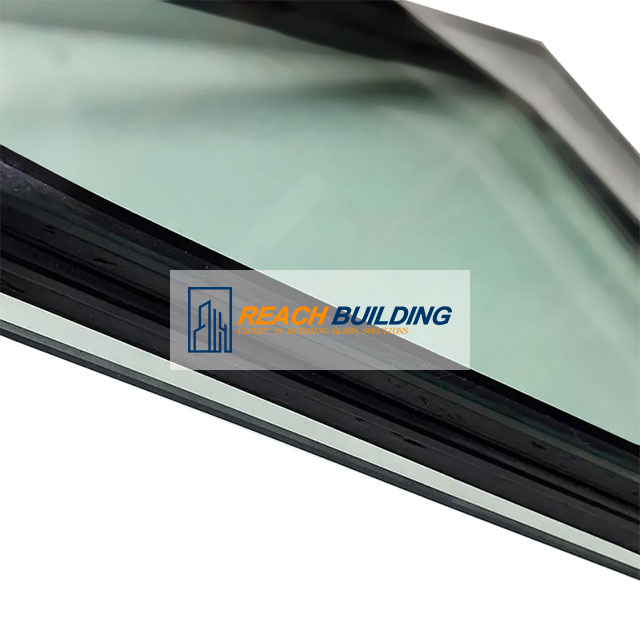
Architectural visions today rely heavily on premium 4sg insulated glass to achieve extraordinary energy efficiency. This specialized glazing represents a significant upfront investment in modern construction. However, a major business problem persists across the industry. The advanced thermal and gas-tight properties of 4SG warm edge technology remain highly vulnerable during transit. Improper handling quickly compromises these delicate structural systems. Minor impacts or pressure imbalances often lead to invisible edge seal failures. Once the seal warps, expensive gas leakage occurs long before installation begins. We wrote this guide to solve that exact issue. We provide procurement managers and contractors with a strict evaluation framework for glazing logistics. You will learn how to audit packaging protocols effectively. We will show you how to prevent micro-stress fractures and secure zero-defect deliveries for every project phase.
Key Takeaways
Standard insulated glass packaging is insufficient for 4SG units due to the precise structural requirements of thermoplastic warm edge spacers.
Custom A-frame steel racks and engineered wooden crates with edge-relief padding are mandatory to prevent micro-stress fractures.
Pressure equalization and climate considerations during transit are critical to maintaining exact 4sg insulated glass specifications.
Evaluating a 4sg insulated glass supplier’s logistics and packaging protocol is as critical as assessing their manufacturing capabilities.
The Business Risk: Why Advanced 4SG Units Require Precision Logistics
Modern architectural projects operate on tight margins and rigid schedules. When you transport advanced glazing, you transport fragile engineering. A compromised unit creates an immediate ripple effect across your entire construction timeline. The financial impact extends far beyond the cost of the physical glass itself. You face severe project delays while awaiting replacement panels. Crane rental extensions and idle labor crews inflate your budget rapidly. Furthermore, installing a damaged panel directly compromises the building's overall energy ratings. Failing a final thermal inspection often incurs heavy contractual penalties.
The Kodispace 4SG edge seal features distinct structural vulnerabilities during transit. This advanced thermoplastic spacer delivers superior gas retention under normal static loads. However, dynamic shipping environments introduce volatile forces. Structural stress or isolated pressure points easily warp the thermoplastic material. When a crate bounces over uneven roads, the localized pressure can deform the seal. This deformation instantly risks the leakage of expensive argon or krypton gas. A unit stripped of its insulating gas loses its core thermal value entirely.
Many contractors mistakenly look only for shattered glass upon delivery. This is a critical error. Poor packaging often causes invisible micro-fractures in the edge seal rather than obvious pane breakage. A panel might look perfectly intact to the naked eye. Yet, microscopic tears in the primary polyisobutylene (PIB) seal destroy the unit's longevity. Moisture will eventually penetrate these tiny fractures, leading to interior condensation months after installation. Therefore, meticulous post-delivery inspections hold paramount importance.
Core Packaging Architectures for Insulated Glass Transport
Transporting standard insulated glass requires care, but 4SG units demand highly engineered packaging architectures. Manufacturers utilize specific transport systems based on the delivery distance, climate, and site accessibility.
Heavy-duty wooden crates serve as the gold standard for long-distance and international ocean freight. Suppliers offer these in end-cap or fully enclosed designs. Fully enclosed crates provide superior environmental shielding against salt air and debris. International shipping regulations mandate that all wooden materials comply with ISPM 15 standards. This guarantees the wood is heat-treated to prevent pest infestations. Furthermore, premium crates must feature reinforced steel corners. These corners prevent the crate from racking or twisting when lifted by a crane.
Steel A-Frame racks, commonly known as L-Racks, provide the best solution for domestic, direct-to-site deliveries. These reusable steel structures allow for optimal vertical load distribution. Storing the glass nearly vertical minimizes planar stress across the broad glass surface. L-Racks allow flatbed trucks to secure the load tightly without applying inward crushing pressure on the delicate spacer channels.
Inside the crate or rack, interlayer protection mechanisms prevent surface damage. Panels must never touch one another. Manufacturers deploy high-density cork tabs or specialized rubber separating pads between each lite. These pads absorb high-frequency road vibrations. They also maintain a precise air gap to prevent unit-to-unit friction. Finally, non-abrasive shrink wrapping secures the entire bundle. This wrapping blocks dust and limits excessive shifting during hard braking events.
Transport Methods Comparison
Packaging Type
Best Use Case
Primary Advantage
Key Requirement
Fully Enclosed Wooden Crate
International ocean freight
Maximum environmental shielding
ISPM 15 compliance
Steel A-Frame (L-Rack)
Domestic direct-to-site
Optimal vertical load distribution
Return logistics planning
End-Cap Wooden Crate
Short-haul regional transit
Cost-effective edge protection
Weather-resistant wrapping
Preserving 4sg Insulated Glass Specifications During Transit
Delivering a panel intact is only half the objective. The true goal is preserving the exact thermal and physical properties established in the factory. Maintaining strict 4sg insulated glass specifications requires proactive climate and stress management throughout the journey.
Edge-stress mitigation dictates how a panel rests inside its packaging. You cannot simply drop heavy architectural glass onto a flat wooden base. Bottom-block padding, often called setting blocks, must align perfectly with the spacer depth. If the block is too narrow, the heavy glass lites overhang. This overhang applies immense sheer stress directly onto the thermoplastic warm edge. Over a multi-day journey, this uneven load causes the glass lites to slip, permanently destroying the seal geometry.
Altitude changes present a severe threat to gas-filled cavities. When a truck drives over mountain passes, the external atmospheric pressure drops significantly. The trapped argon gas inside the panel expands, causing the glass lites to bow outward. This outward deflection stretches the 4SG seal to its breaking point. To manage this, suppliers use breather tubes or capillary tubes during high-altitude transit. These tiny tubes allow the unit to equalize pressure continuously. Once the panels reach their final elevation, technicians crimp and seal the tubes before installation.
Temperature and moisture controls dictate the internal climate of enclosed wooden crates. Thermoplastic spacers react poorly to extreme, confined heat. Staging crates in direct summer sunlight acts like an oven. UV-resistant shrink wrapping becomes essential to reflect solar radiation away from the payload. Additionally, trapped moisture inside a crate will degrade the exterior glass coatings. Suppliers must include industrial-grade desiccant packs within the enclosure. These packs absorb ambient humidity, preventing localized condensation during transit.
How to Evaluate a 4sg Insulated Glass Supplier’s Packaging Protocol
Procurement teams must shift their focus beyond the manufacturing floor. You must scrutinize your vendor's logistics strategy with equal intensity. Choosing a premier 4sg insulated glass supplier means paying for engineered delivery solutions, not just the glass.
You must implement a strict due diligence checklist during the vendor selection phase. Do not accept generic packaging descriptions. Demand specific engineering details regarding their shipping crates.
Verify custom-milled blocking: Does the supplier use generic foam, or do they mill custom support blocks tailored to your specific glass dimensions?
Review load plans: Do they provide detailed load plans demonstrating exact weight distribution metrics for the shipping containers?
Check hardware quality: Do they utilize heavy-duty lag bolts rather than standard nails for crate assembly?
Assess vibration dampening: What specific durometer of rubber do they use for base isolation pads?
Chain of custody rules dictate who pays for transit damages. You must require transparent assumptions regarding liability transfers. Review the shipping terms carefully. If buying internationally, understand the difference between FOB (Free On Board) and CIF (Cost, Insurance, and Freight). CIF generally provides the buyer more protection during the ocean voyage. Clarify exactly when the risk of loss transfers to your company. Always mandate comprehensive marine cargo insurance for fragile architectural glazing.
Shock and tilt monitoring adds a layer of objective accountability. You should always request impact indicators on exterior packaging. Products like ShockWatch labels or TiltWatch monitors permanently log handling abuse. If a forklift operator drops the crate aggressively, the label turns red. This provides immediate, undeniable proof of mishandling before you even open the crate. It eliminates arguments between the supplier, the freight forwarder, and the receiving team.
Site Rollout Risks: Unpacking and Staging Considerations
The journey does not end when the truck arrives at the job site. The unpacking and staging phases introduce immense risks. Hasty unloading procedures frequently damage panels that survived a month-long ocean voyage flawlessly.
Site managers must enforce strict forklift and crane protocols. Packaging designs must accommodate standard site equipment. However, operators must use the designated lifting points exclusively. Inserting forklift tines improperly can compress the bottom of the crate, driving the wooden base straight up into the glass edge. When using overhead cranes, rigging straps must never pinch the top corners of the glass. Spreader bars are mandatory to ensure the lifting straps remain perfectly vertical.
Staging angle tolerances require exact precision. Never store panels perfectly flat on the ground. Shipping flat places intolerable shear stress on the glass lites and the thermoplastic spacer. You must unpack and lean the panels at the correct angle. Industry standards dictate a leaning angle of 3 to 5 degrees from vertical. Leaning panels too far back causes them to bow under their own weight. This bowing triggers spacer migration or catastrophic delamination.
Verify gas retention: Use a specialized gas concentration meter on a sample of units immediately upon opening the crate.
Check edge spacer alignment: Visually inspect the perimeter to ensure the 4SG material remains perfectly flush with the glass edges.
Examine corner seals: Look for any black butyl weeping or structural silicone separation at the four corners.
Inspect glass surfaces: Check for any abrasive rub marks or scratches caused by failed cork tabs.
Do not sign the final delivery receipt until your team completes this immediate inspection criteria. Document any discrepancies with high-resolution photos while the glass remains inside its original packaging.
Conclusion
Specifying highly advanced architectural glass is only half the battle. Securing its journey guarantees your return on investment. The thermal performance of modern buildings relies entirely on the precise geometry of thermoplastic edge seals remaining intact. You must view packaging as a critical engineering component, not an afterthought.
Partnering with a highly capable vendor means demanding transparency in their logistics protocols. You are paying for safe transit, advanced pressure equalization, and custom crate architecture. Do not let exceptional manufacturing fail at the final mile due to substandard wood and foam.
Take action on your next project. Prompt your buyers to request detailed packaging and logistics specifications during the initial quoting phase. Make robust transit architecture a non-negotiable line item in your procurement contracts.
FAQ
Q: Can 4SG insulated glass be shipped flat?
A: No. Shipping flat places intolerable shear stress on the glass lites and the 4SG thermoplastic spacer. Units must be shipped vertically on A-frames or properly angled crates.
Q: Does international ocean shipping affect the 4SG seal?
A: If packaged in airtight, climate-managed crates with proper edge support, ocean transit is safe. However, prolonged exposure to high heat in unventilated containers must be managed by the supplier.
Q: What is the standard padding material used between 4SG IGU panels?
A: High-density cork pads or specialized static-cling foam blocks are standard. They leave no residue and maintain precise separation to prevent surface abrasion.
Miracle Co-founder of Reachbuilding
Miracle owns a glass factory that has been in operation for 40 years. His family has been engaged in the construction industry for over 60 years and possesses extensive engineering and production experience. At Reach Building, he focuses on product technical support, custom solutions, and industry trend analysis for global dealers, contractors, and builders.In his column, Miracle shares practical insights, project case studies, and expert advice to help construction professionals select the right glass for safer, more energy-efficient buildings.
With nearly 30 years of experience in building materials, REACH BUILDING provides customized glass products and technical solutions for global construction and interior projects.
We use cookies to enable all functionalities for best performance during your visit and to improve our services by giving us some insight into how the website is being used. Continued use of our website without having changed your browser settings confirms your acceptance of these cookies. For details please see our privacy policy.