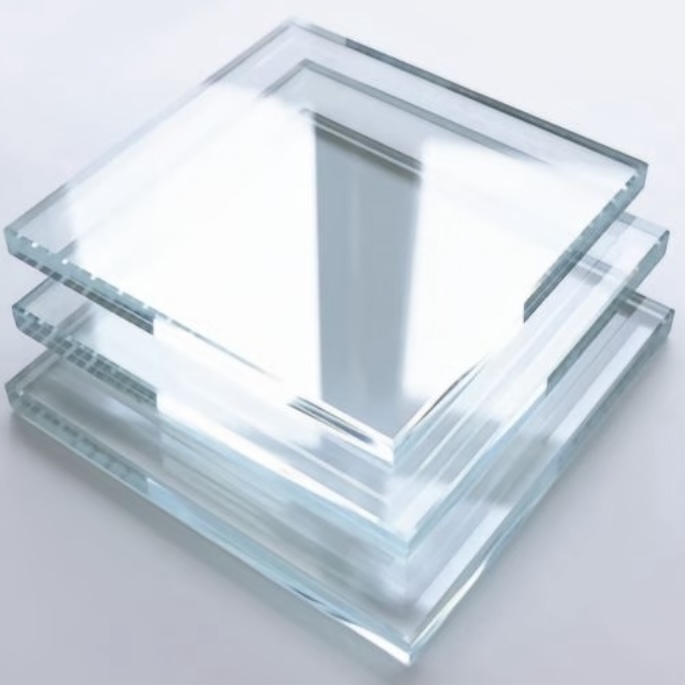
When sourcing architectural glass for commercial or residential projects, 12mm tempered glass (also known as 1/2-inch toughened glass) is one of the most commonly selected solutions for high-strength, frameless, and premium architectural applications. Combining structural strength, safety performance, and modern aesthetics, 12mm tempered glass is widely used by architects, contractors, and procurement teams for projects requiring durability and visual transparency. However, selecting the wrong specifications, processing options, or compliance standards can result in installation issues, project delays, and unexpected costs.
This buyer’s guide explains the essential technical specifications, applications, quality considerations, and sourcing factors you should understand before purchasing 12mm tempered glass.
1. What Is 12mm Tempered Glass?
Definition and Manufacturing Process
12mm tempered glass is a type of safety glass produced through a controlled thermal strengthening process. During manufacturing, standard annealed glass is heated to approximately 650°C (1200°F) and then rapidly cooled using high-pressure air jets.
This process, known as thermal tempering or quenching, creates internal stress within the glass structure, improving its mechanical strength and safety performance.
The Manufacturing Process
1. Base Glass Selection
12mm tempered glass is manufactured from high-quality float glass sheets, including standard clear glass or low-iron (extra-clear) glass depending on the required optical performance. Standard clear glass is ideal for general structural uses, while low-iron glass is selected for applications requiring crystal-clear transparency.
2. Pre-Tempering Fabrication
All secondary processing must be completed before tempering, including cutting, edge polishing, hole drilling, notch cutting, and custom shaping.
Once tempered, the glass cannot be cut or modified because internal stress will cause the panel to break.
3. Thermal Tempering
The processed glass enters a tempering furnace where it is heated and rapidly cooled. This creates a compression layer on the surface and tension inside the glass, significantly improving strength.
To better understand how annealed glass is transformed into a high-strength safety product, you can learn more about the complete tempering process in our guide: How Is Tempered Glass Made?
Why Is 12mm Tempered Glass Safer?
Annealed Glass Breakage
Tempered Glass Breakage
Compared with standard annealed glass, tempered glass offers approximately four to five times higher mechanical strength.
When broken, it fragments into small, relatively blunt pieces instead of large sharp shards, reducing the risk of serious injury.
2. Key Specifications and International Standards
Understanding technical specifications is essential for structural safety and code compliance. The table below outlines key performance metrics to help you select the ideal 12mm tempered glass for your project.
Core Technical Specifications of 12mm Tempered Glass
Parameter
Metric Value
Imperial Value
Notes
Thickness
12mm
1/2 inch
Common heavy-duty architectural glass thickness
Weight
Approx. 30 kg/m²
Approx. 6.14 lbs/sq ft
Calculated by thickness × 2.5
Visible Light Transmittance
Clear: 85%-88%
—
Low-iron glass can exceed 91%
Bending Strength
120-200 MPa
17,000-29,000 PSI
Approximately 3-5 times stronger than annealed glass
Thermal Shock Resistance
200-300°C
392-572°F
Suitable for environments with temperature changes
Before purchasing, confirm that your supplier can provide relevant test reports and certifications for your target market.
North America
ANSI Z97.1
ASTM C1048
SGCC Safety Glass Certification
Europe
EN 12150-1 Thermal Toughened Safety Glass
CE Marking
Australia and New Zealand
AS/NZS 2208 Safety Glazing Materials in Buildings
3. Advantages and Limitations of 12mm Tempered Glass
Main Advantages
Superior Structural Rigidity
The 12mm thickness provides excellent stiffness and load resistance, making it suitable for large glass panels, frameless systems, and applications requiring reduced deflection.
Enhanced Safety Performance
As safety glass, 12mm tempered glass complies with many building requirements for commercial, residential, and public spaces.
Strong Thermal Resistance
Tempered glass can withstand significant temperature differences and is more resistant to thermal stress compared with ordinary glass.
Premium Appearance
The thicker profile creates a stronger visual presence, making it popular for modern architectural designs where transparency and minimal framing are important.
Potential Limitations and Risk Mitigation
1.Cannot Be Modified After Tempering
All drilling, cutting, and edge processing must be completed before heat treatment.
Solution: Provide accurate drawings and specifications before production.
2.Higher Weight Requirements
12mm glass is significantly heavier than thinner options.
Solution: Confirm that hinges, fittings, frames, and supporting structures are designed for the additional weight.
3.Possible Optical Distortion
Poor tempering processes may create roller wave distortion or uneven surface appearance.
Solution: Choose suppliers with advanced tempering equipment and strict quality control procedures.
4. Common Applications of 12mm Tempered Glass
12mm tempered glass is commonly selected for projects where strength, safety, and a premium appearance are required.
Frameless Doors and Office Partitions
The rigidity of 12mm glass makes it suitable for:
Frameless entrance doors
Glass office partitions
Commercial interior glazing systems
It provides a clean appearance while maintaining structural stability.
Glass Balustrades and Railings
12mm tempered glass is frequently used for:
Stair railings
Balcony barriers
Guardrails
Its impact resistance and strength make it suitable for high-visibility safety applications.
Heavy Glass Shower Enclosures
In premium residential and hospitality projects, 12mm tempered glass provides:
Increased rigidity
A luxurious appearance
Better stability for large frameless shower systems
Compared with 8mm or 10mm glass, it creates a more substantial and premium feel.
Storefronts and Display Systemsa
Retail applications benefit from:
High impact resistance
Maximum transparency
Modern frameless designs
5. How to Inspect Quality and Avoid Sourcing Risks
Quality Inspection Checklist
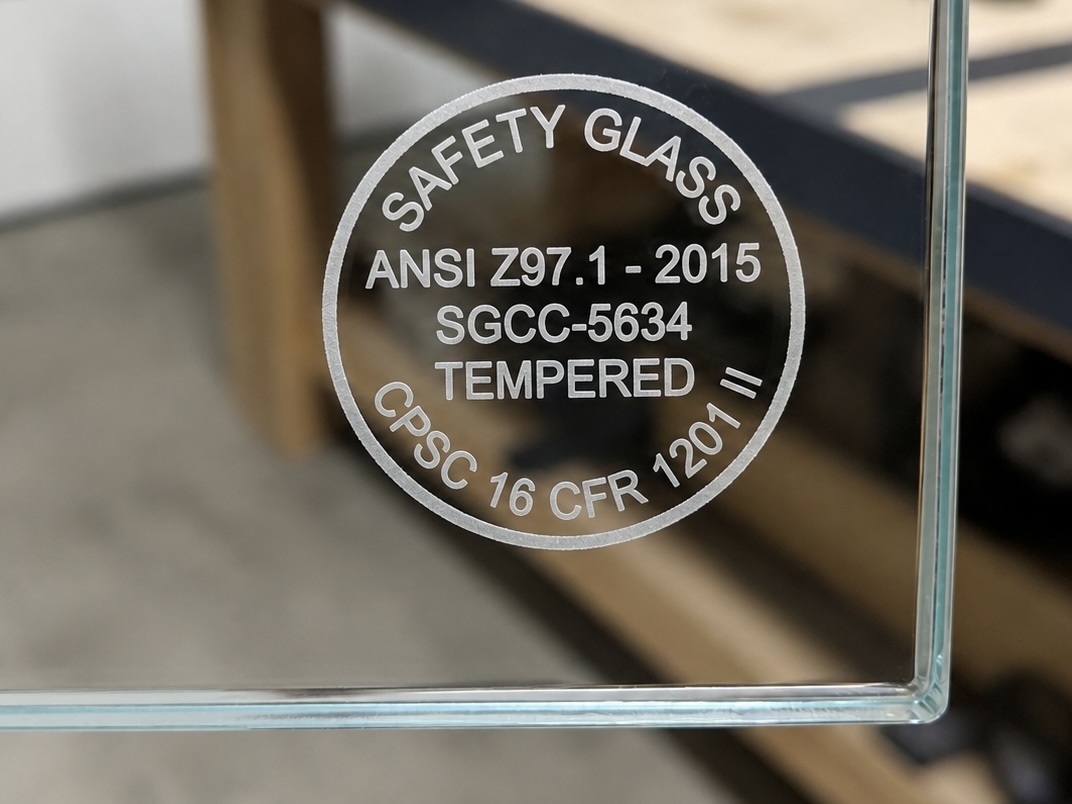
Verify Certification Marks
Check whether each glass panel includes permanent identification marks, such as:
SGCC certification marks
CE-related markings
Other regional safety certification labels
The markings should be permanently applied and not easily removable.
Check Optical Quality
Inspect the glass surface under natural light.
Look for:
Roller wave distortion
Uneven reflections
Visible surface deformation
High-quality tempered glass should maintain clear visual performance.
Inspect Edge Processing and Cutouts
Confirm that:
Edges match the requested finish
Polished edges are smooth and consistent
Holes and cutouts have no visible chips or cracks
Common edge finishes include:
Flat polished edges
Seamed edges
Beveled edges
6. What to Consider Before Buying 12mm Tempered Glass
Confirm Project Requirements
Before ordering 12mm tempered glass, make sure the specifications match your project requirements, including:
Glass dimensions and thickness
Clear or low-iron glass selection
Edge finishing requirements
Hole drilling and fabrication details
Required certifications and testing standards
Providing accurate drawings and technical specifications before production helps avoid installation issues and unnecessary rework.
Evaluate Glass Quality and Supplier Capability
A reliable glass supplier should be able to provide:
Consistent glass quality and processing accuracy
Technical recommendations for different applications
Quality inspection reports and relevant certifications
Proper packaging solutions for safe transportation
For international projects, suppliers should also have experience handling export packaging and long-distance transportation to ensure the glass arrives safely.
Conclusion: How to Choose the Right 12mm Tempered Glass Supplier
Choosing 12mm tempered glass is not only about selecting the correct thickness. Project success also depends on glass quality, processing accuracy, certification compliance, packaging standards, and supplier manufacturing capability. A reliable supplier should provide technical guidance, complete documentation, and consistent quality control throughout the purchasing process. For your next architectural glass project, ensure your supplier can support customized specifications, international standards, and professional project requirements. At REACH BUILDING, we deliver fully certified 12mm tempered and low-iron glass engineered to international standards (SGCC, CE, AS/NZS), complete with custom fabrication and export-ready packaging. Contact our technical team today for a fast factory-direct quote and tailored support for your next project!
FAQ About 12mm Tempered Glass
Q: How Much Does 12mm Tempered Glass Weigh?
A: A 12mm tempered glass panel weighs approximately:
30 kg per square meter
6.14 lbs per square foot
The supporting hardware, frames, and installation systems should be designed to handle this weight.
Q: What Is the Difference Between Clear and Low-Iron 12mm Tempered Glass?
A: Clear glass contains more iron content, which creates a green tint, especially visible on thicker glass edges.
Low-iron tempered glass reduces iron content, resulting in:
Higher transparency
Better color accuracy
Clearer edges
Premium visual appearance
It is commonly used for luxury storefronts, glass walls, and high-end architectural projects.
Q: Is Heat Soak Testing Required for 12mm Tempered Glass?
A: Heat soak testing (HST) is not mandatory in every region, but it is often recommended for applications where spontaneous breakage risk must be minimized.
It is commonly considered for:
High-rise buildings
Overhead glazing
Structural glass systems
Public areas with strict safety requirements
Miracle Co-founder of Reachbuilding
Miracle owns a glass factory that has been in operation for 40 years. His family has been engaged in the construction industry for over 60 years and possesses extensive engineering and production experience. At Reach Building, he focuses on product technical support, custom solutions, and industry trend analysis for global dealers, contractors, and builders.In his column, Miracle shares practical insights, project case studies, and expert advice to help construction professionals select the right glass for safer, more energy-efficient buildings.
With nearly 30 years of experience in building materials, REACH BUILDING provides customized glass products and technical solutions for global construction and interior projects.
We use cookies to enable all functionalities for best performance during your visit and to improve our services by giving us some insight into how the website is being used. Continued use of our website without having changed your browser settings confirms your acceptance of these cookies. For details please see our privacy policy.