Specifying architectural glass for high-end projects requires precise balance. You must maximize optical clarity while ensuring long-term structural integrity. These two goals often conflict under fluctuating weather conditions. Because low-iron panels lack the traditional green edge tint, they hide absolutely nothing. Any temperature-induced defects become glaringly obvious to observers. Minor delamination, bubbling, or optical distortion ruins the aesthetic appeal instantly. These flaws also heavily compromise the building envelope's physical safety. Our objective is to provide a clear, evidence-based framework for industry professionals. Specifiers, facade engineers, and procurement teams will find actionable guidance here. We explore how thermal dynamics impact your architectural installations. You will learn to evaluate materials properly and ensure accurate supplier selection.
Key Takeaways
- Thermal stress in laminated glass is primarily dictated by the specific interlayer material (e.g., PVB vs. SGP) rather than the low-iron glass panes themselves.
- Prolonged exposure to high ambient temperatures or sudden thermal cycling can cause edge delamination and shear modulus degradation if standard specifications are misapplied.
- Selecting the right low iron laminated glass specifications requires aligning maximum operating temperatures with the correct interlayer and edge-sealant compatibility.
- Vetting a low iron laminated glass supplier demands strict scrutiny of their laminating oven controls and historical defect rates.
The Impact of Thermal Stress on Low Iron Clarity and Structural Integrity
Glass failure post-installation causes massive headaches for development teams. Aesthetic degradation leads directly to costly material replacements. It also compromises complex building envelopes and damages your professional reputation. Thermal stress accelerates these negative outcomes significantly. When extreme temperatures interact with architectural facades, weak material choices fail quickly. You must understand how heat affects your chosen components.
Low iron panels transmit far more light and heat than standard clear options. Their ultra-clear nature creates a unique visual vulnerability. Temperature-induced defects cannot hide behind a standard green edge tint. Interlayer hazing stands out immediately against a pure, transparent background. Micro-bubbles catch the sunlight and ruin the intended facade design. Once these defects appear, they remain permanent fixtures on your building.
Temperature fluctuations cause internal components to shift continuously. Glass panes and polymeric interlayers expand at completely different rates. They also contract unevenly when temperatures drop sharply at night. This differential movement introduces severe shear stress into the assembly. The constant push and pull weakens internal chemical bonds over time. Eventually, the polymer detaches from the glass surface entirely.
You must conduct a strict risk assessment before finalizing schematic designs. Specific environments pose exceptionally high risks for these architectural installations.
- High-Altitude Locations: Extreme UV exposure degrades interlayers quickly while temperatures swing dramatically.
- Intense Sun Exposure: Direct sunlight bakes the panels and softens internal plastics over hours of exposure.
- Structural Glass Fins: These bear heavy structural loads while simultaneously managing aggressive thermal expansion.
- Frameless Balustrades: Exposed edges invite both moisture ingress and intense heat penetration simultaneously.
When specifying low iron laminated glass for these severe zones, precision is mandatory. You cannot rely on basic commercial assumptions. Evaluating the distinct thermal behavior of each material prevents premature failure. We urge engineering teams to calculate maximum expected facade temperatures early.
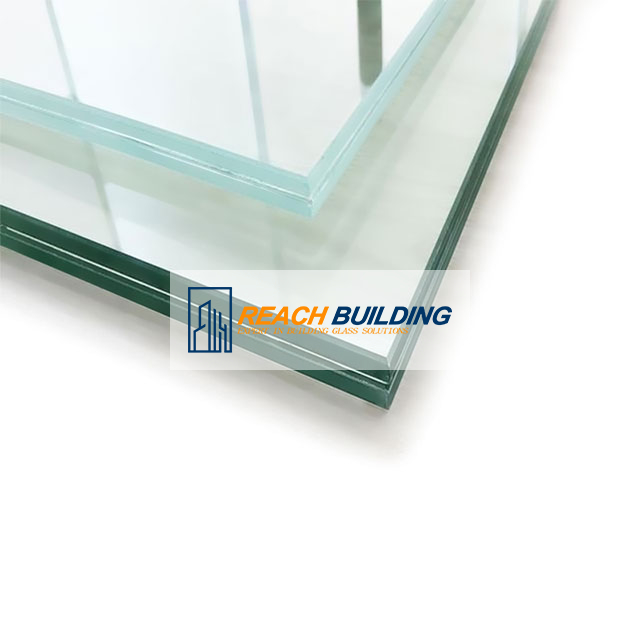
Evaluating Interlayer Solutions for Temperature Resistance
We must compare the dominant interlayer technologies carefully. You have several solution categories available for ultra-clear applications today. Each polymer type handles thermal stress entirely differently. Making the wrong choice guarantees future structural or visual failure. Your primary focus should remain on high-temperature stability.
Standard PVB (Polyvinyl Butyral) remains common throughout the industry. It provides adequate performance for standard room temperatures. It also works reasonably well when framing systems fully protect the panel edges. However, PVB carries significant thermal risks in extreme climates. Sustained high temperatures cause the material to soften considerably. High UV exposure introduces potential yellowing over time. PVB is also highly susceptible to edge-creep when exposed to direct radiant heat.
SentryGlas® Plus (SGP), or Ionoplast, offers a significantly more robust alternative. This material retains exceptional rigidity under severe environmental conditions. Its shear modulus remains stable even beyond 50°C (122°F). Ionoplast does require a higher upfront investment from your procurement budget. However, this evaluation dimension justifies itself quickly during the lifecycle. SGP prevents delamination in high-heat climates perfectly. It is absolutely necessary for exposed edges and demanding structural applications.
You might also consider acoustic and specialized options for certain interior projects. Varying temperature ranges directly affect acoustic damping properties. Specialized PVB absorbs ambient sound well but often softens faster in direct sunlight. You must evaluate the thermal threshold of any acoustic film. High-temperature environments frequently negate the acoustic benefits completely.
Interlayer Thermal Performance Comparison
| Interlayer Type | Standard Operating Temp Limit | Primary Thermal Risks | Best Application Scope |
| Standard PVB | Up to 35°C (95°F) | Softening, edge-creep, yellowing | Protected edges, controlled interior spaces |
| Ionoplast (SGP) | Beyond 50°C (122°F) | Minimal (Rigidity maintained under load) | Exposed edges, structural fins, high heat |
| Acoustic PVB | Up to 30°C (86°F) | Loss of sound damping, bubbling | Interior partitions, heavily shaded facades |
Manufacturing Realities: Laminating Oven Temperature Control
Field performance ties directly to factory floor processes. How manufacturers heat and cool the panels dictates long-term survival. Precise thermal profiling during the autoclaving process is non-negotiable. If the factory rushes this step, the product will eventually fail. You must understand how these manufacturing realities affect your installations.
Laminating ovens must apply immense heat and pressure uniformly. Uneven heating leads to dangerously poor polymer adhesion. It also creates localized optical distortion across the ultra-clear surface. Predicting internal temperatures accurately separates premium fabricators from average ones. We often see major structural issues when factories rush the critical cooling phase. Rapid cooling traps immense stress inside the glass assembly.
Poor temperature control connects directly to common manufacturing defects. Edge bubbling occurs when trapped air expands rapidly under intense heat. "Sunburst" delamination happens due to uneven internal stresses near the panel center. Residual stress remains trapped inside the polymer if cooling is inconsistent. These defects usually reveal themselves after installation, right when sunlight hits the completed facade.
Credible manufacturers prioritize rigorous quality assurance daily. They do not guess about thermal endurance. They run destructive testing constantly before approving outgoing shipments. Boil tests submerge finished samples in boiling water for hours. This procedure checks for immediate delamination vulnerabilities. Bake tests expose the laminated glass to sustained extreme heat in specialized ovens. Passing these intensive tests proves the assembly handles real-world thermal cycling safely.
Defining Your Low Iron Laminated Glass Specifications for Extreme Environments
You must translate project climate data into highly actionable criteria. Vague requirements lead to catastrophic building envelope failures. Specifying correctly means linking expected environmental features directly to desired physical outcomes. A well-written specification leaves no room for dangerous material substitutions.
Your documentation must include specific required specification nodes. These explicit details protect the architectural vision against harsh environmental realities.
- Glass Tempering: You must specify heat-strengthened or fully tempered panes. Localized shading often creates massive temperature differentials across a single pane. Tempered units resist thermal breakage effectively under these uneven heat loads.
- Interlayer Thickness and Type: Define exact millimeter requirements clearly. Base this critical decision on structural load calculations and peak thermal exposure. Do not allow suppliers to substitute thinner films to cut production costs.
- Edge Treatment: Detail the absolute necessity of compatible weather sealants. Incompatible chemicals react negatively when heated by the afternoon sun. This chemical reaction destroys the polymer bond exactly at the exposed edge.
You must anchor these design decisions to recognized evaluation lenses. Reference relevant compliance standards deeply in your tender documents. ASTM C1172 governs flat glass tolerances and overall visual quality. EN 14449 dictates strict conformity evaluation for safety glass. These standards define exactly how assemblies should perform under severe thermal stress. Creating robust low iron laminated glass specifications guarantees baseline safety and aesthetic longevity.
Shortlisting and Vetting a Low Iron Laminated Glass Supplier
Differentiating a high-capability manufacturer from a generic fabricator is crucial. You need a strict supplier evaluation framework for every project. Do not base your final decision solely on unit price. Cheap fabrication often leads to devastating post-installation replacement costs.
Start by auditing their specific manufacturing capabilities deeply. Ask detailed questions about their autoclave capacity and equipment age. Inquire extensively about their cleanroom standards and air filtration systems. Stray dust particles create visual micro-bubbles during the heating phase. Review their thermal processing equipment to ensure it supports modern, rigid polymers like SGP.
Transparency separates truly trustworthy partners from risky vendors. A reliable low iron laminated glass supplier provides historical testing data willingly. Ask to see high-temperature bake test results for similar previous builds. Request comprehensive optical distortion reports for their thickest assemblies. If they hesitate to share internal data, you should immediately look elsewhere.
We highly recommend taking specific next-step actions before signing major contracts. Request physical samples using the exact specified materials and thickness. Conduct robust mock-up testing for your specific regional climate conditions. Review the manufacturer's warranty limitations thoroughly before proceeding. Pay close attention to restrictive clauses regarding edge exposure and thermal extremes. Finding a highly reliable provider of low iron laminated glass mitigates immense project risk.
Conclusion
- Preventing temperature-related failures requires highly intentional design choices from the beginning.
- Success comes down to precise interlayer selection and verifying rigorous manufacturing controls.
- We have seen how differential thermal expansion ruins unprotected structural assemblies quickly.
- Sacrificing specification rigor for upfront cost savings almost always results in highly visible, expensive failures.
Architects and specifiers must take proactive steps early in the process. Consult technical engineering teams deeply during the schematic design phase. Finalize your exact glass and interlayer makeups long before the bidding process begins. Solidifying these technical details guarantees a resilient, visually flawless facade for decades to come.
FAQ
Q: At what temperature does the interlayer in laminated glass begin to fail?
A: Standard PVB typically begins to soften and lose structural rigidity around 35°C to 40°C. In contrast, rigid Ionoplast (SGP) interlayers maintain their shear modulus and structural integrity well beyond 50°C. Prolonged exposure past these softening points leads to edge-creep, bubbling, and eventual structural delamination.
Q: Can low iron laminated glass be used in continuous direct sunlight?
A: Yes, provided you specify it correctly. You must use a high-temperature structural interlayer like SGP. Additionally, you need properly applied, chemically compatible edge sealants. This approach completely prevents moisture ingress and polymer degradation when the facade bakes in continuous direct sunlight.
Q: How do temperature differentials cause thermal breakage in laminated glass?
A: Partial shading on a facade creates distinct hot and cold zones across a single pane. The heated area expands, while the shaded area remains static. This induces immense tensile stress internally. Using heat-strengthened or fully tempered glass in your makeup successfully resists this severe thermal breakage.
Q: Does extreme cold affect the optical clarity of ultra-clear laminated glass?
A: Extreme freezing temperatures can increase the brittleness of certain polymeric interlayers. However, cold weather typically does not impact the ultra-clear glass's distinct optical clarity. The primary risk occurs only if moisture penetrates an exposed edge and freezes, which can force the bonded layers apart.


